Why Most Surf Camps Don’t Work (And What Actually Helps You Improve)
Every year thousands of travelers come to Morocco to learn how to surf.
They book a surf camp, join a group lesson, rent a board, and spend a week in the water. Most leave with great memories.
But many surfers leave with the same thought:
“I had fun, but I didn’t really improve.”
So why does this happen?
The reality is that most surf camps are designed for the experience of surfing, not for real skill progression. This doesn’t mean surf camps are bad. They are a great introduction to surfing and a fun way to spend time by the ocean.
However, if your goal is to become a better surfer, there are several reasons why traditional surf camps often fall short.
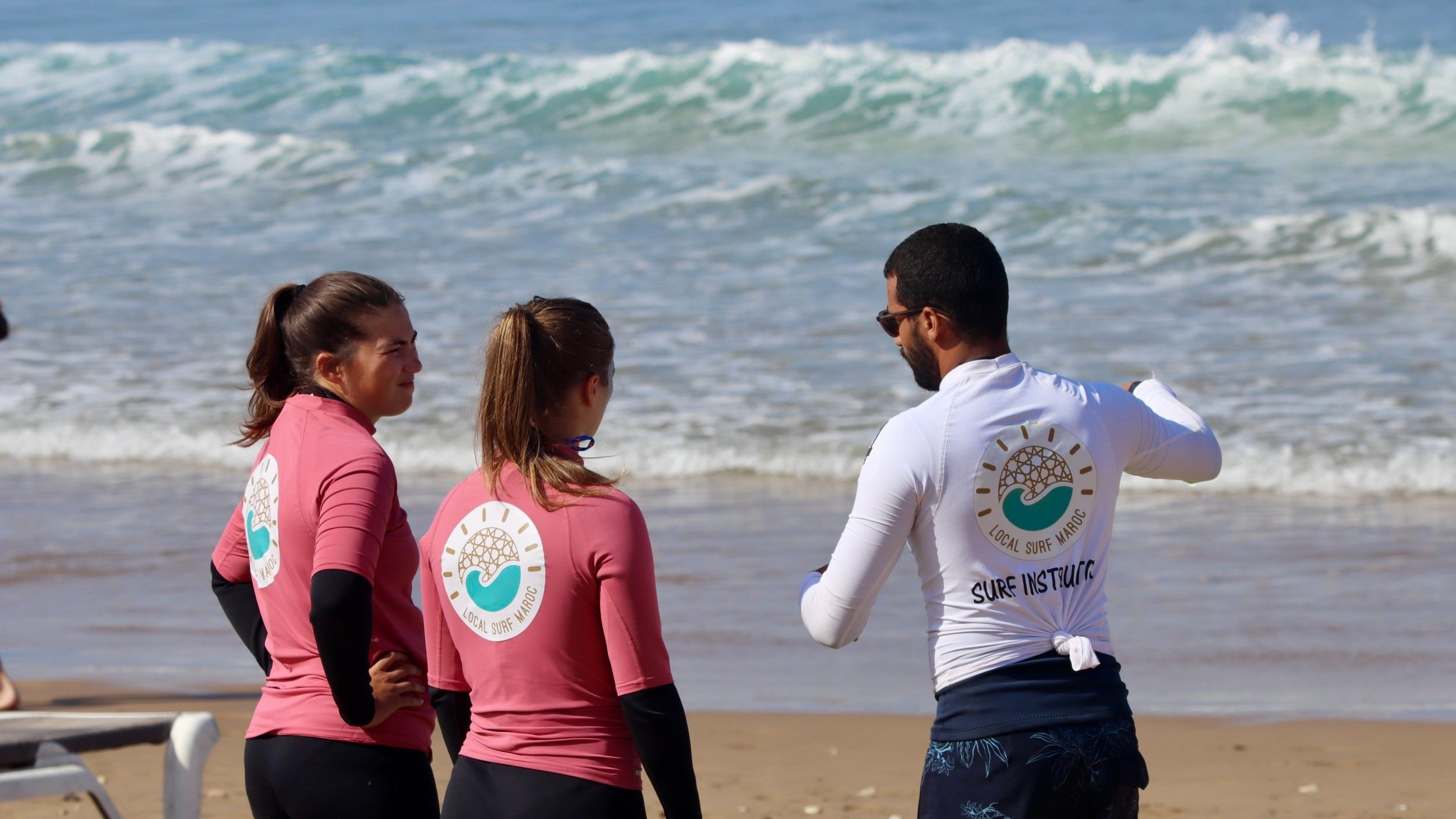
Local Surf Instructor reading waves before paddling out.
1. Most Surf Camps Focus on the Experience, Not Progression
The main goal of many surf camps is simple:
Help guests stand up on a wave.
That moment is exciting, especially for beginners. But standing up once is only the first step in surfing.
Real progression involves learning how to:
read waves
choose the right takeoff spot
control your board
generate speed
start trimming
and eventually, start linking maneuvers together
Without learning these skills, surfers often stay at the same level for years.
This is why many people say they have been surfing for years but still struggle with basic techniques.
2. Large Group Lessons Limit Coaching
Another common issue with traditional surf camps is group size.
Many camps run lessons with:
one instructor
Eight (or more) students
different skill levels all mixed together
In this situation, instructors spend most of their time managing the group rather than coaching individuals.
Instead of receiving detailed feedback, students often receive general instructions like:
paddle harder
stand up faster
keep your balance
While this can work for first-time surfers, it rarely leads to meaningful improvement.
Surf progression requires tailored feedback and technical guidance.
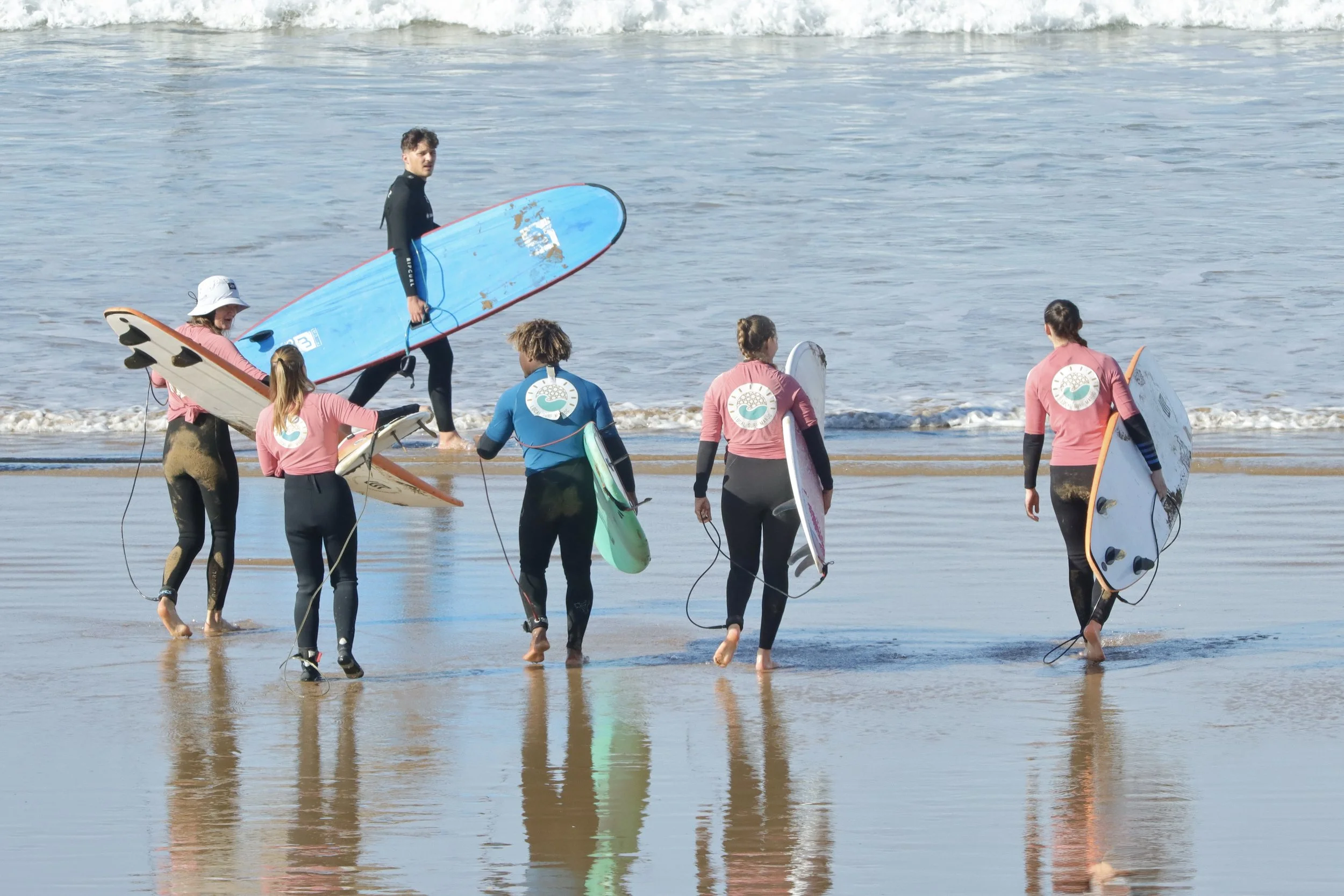
Intermediate Surf Coaching with a small group of surfers in Taghazout, Morocco.
3. There Is Often No Structured Learning Path
Learning to surf works best when there is a clear progression. However, many surf camps repeat the same routine every day:
go to the beach
paddle out
try to catch waves
But effective surf coaching usually follows stages such as:
riding whitewater waves
learning the pop-up
building ocean confidence
catching small green waves
angling takeoffs
starting basic turns
linking turns
controlling speed
positioning in the lineup
Without a structured progression system, surfers often practice random skills without understanding what they should focus on next.
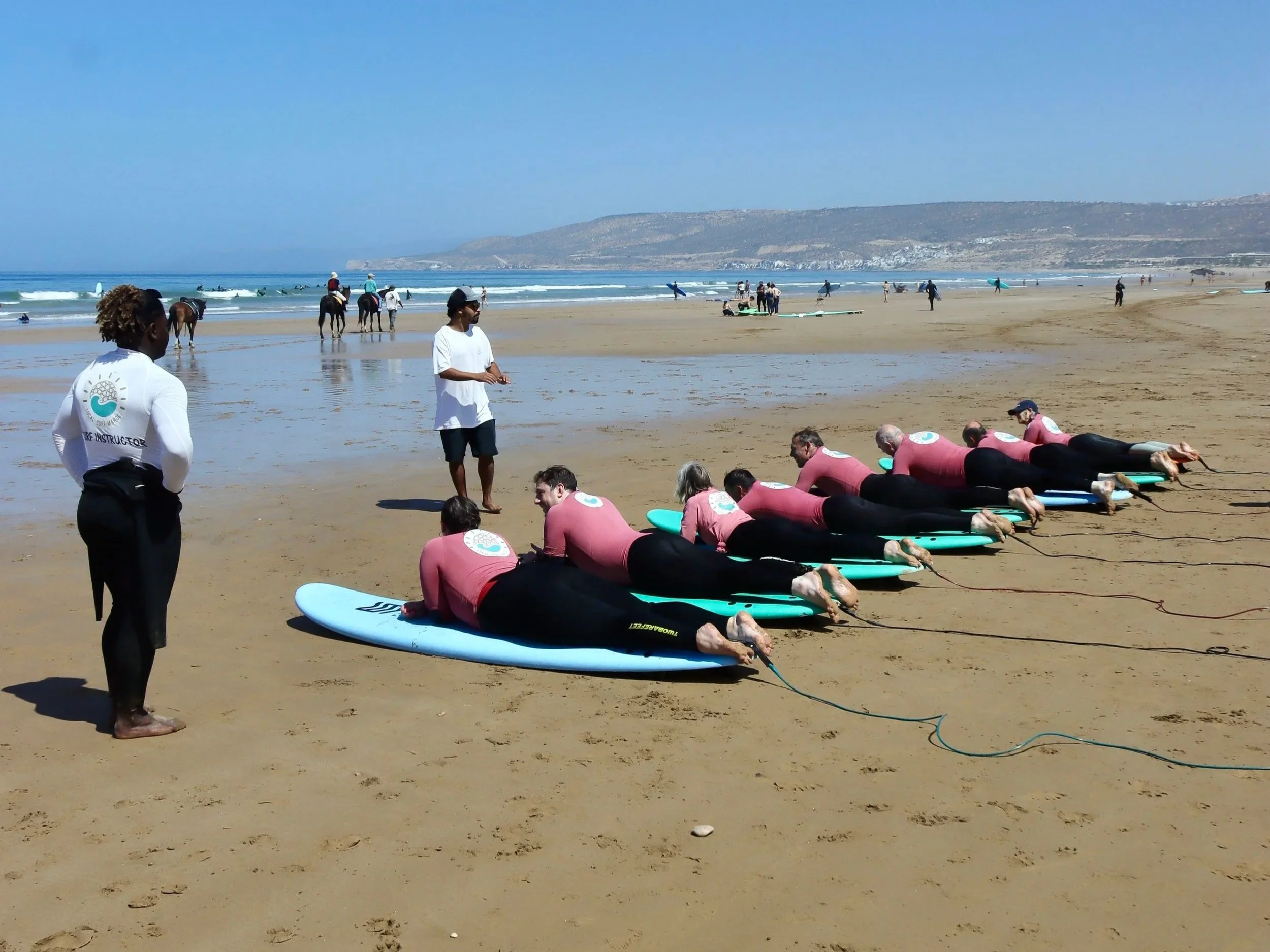
Beginner group surf lesson with Instructor to Student ratio 4:1 at Croros, Tamraght, Morocco.
4. Surf Spots Are Not Always Chosen for Learning
Another factor that affects progression is wave selection.
Many surf camps go to the same beach every day because it is close to the accommodation. But the best waves for learning change depending on:
swell size
wind direction
tide
crowd levels
The best coaching programs adapt the surf location to the conditions of the day. Sometimes the best learning wave is not the most famous surf spot.
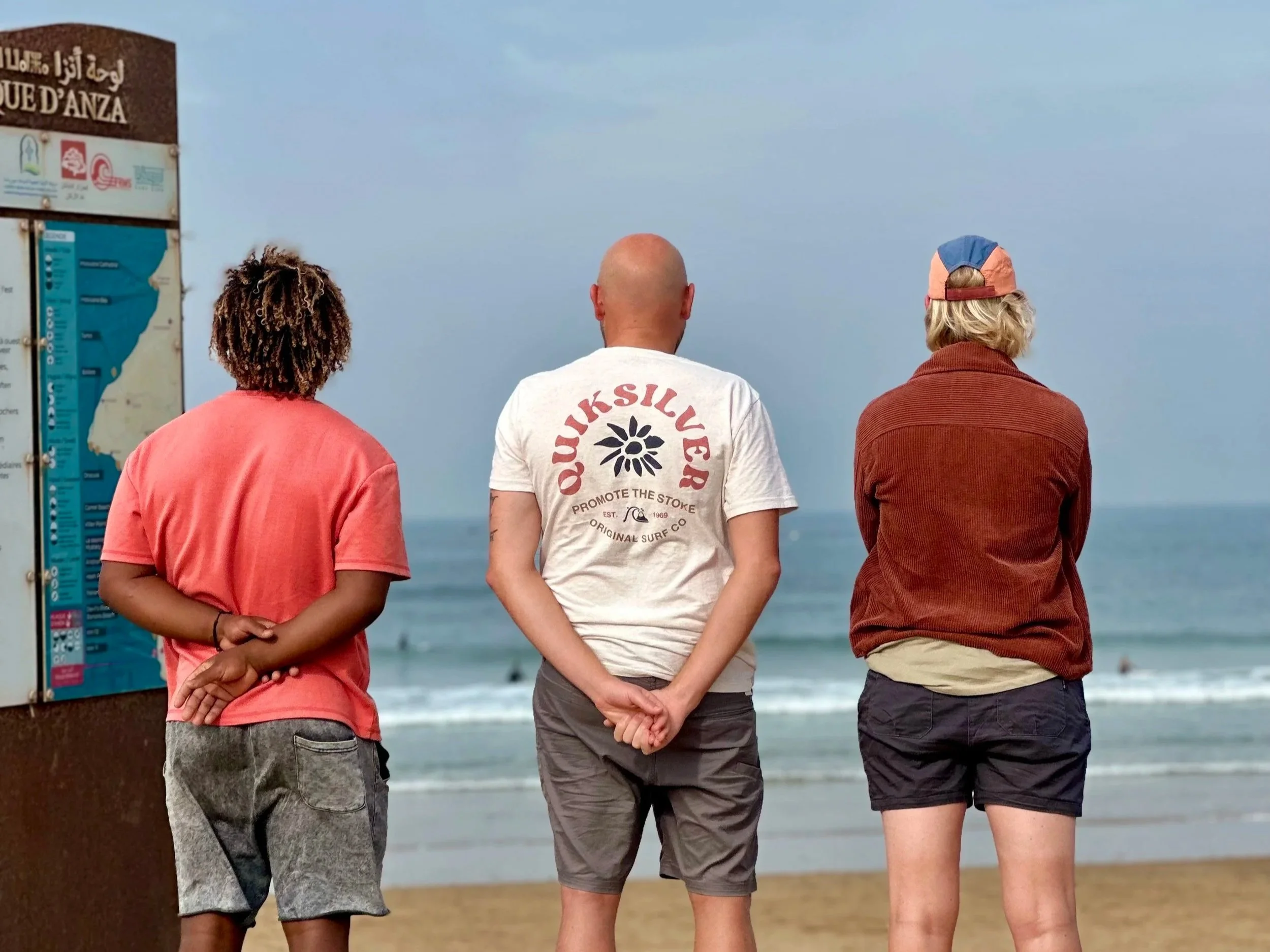
Surf check during Advanced Intermediate surf coaching in Anza, Morocco.
5. Time in the Water Alone Doesn’t Guarantee Improvement
A common belief in surfing is: “The more you surf, the better you get.”
While time in the water helps, it is not always enough.
Many surfers repeat the same mistakes session after session because they never receive feedback. Surf progression improves dramatically when surfers understand:
what they are doing wrong
how waves work
how to position their body on the board
what technique changes to make
This is why some of the most valuable learning actually happens outside the water: Beach coaching, technique breakdowns, video analysis, and understanding ocean conditions are key parts of developing as a surfer.
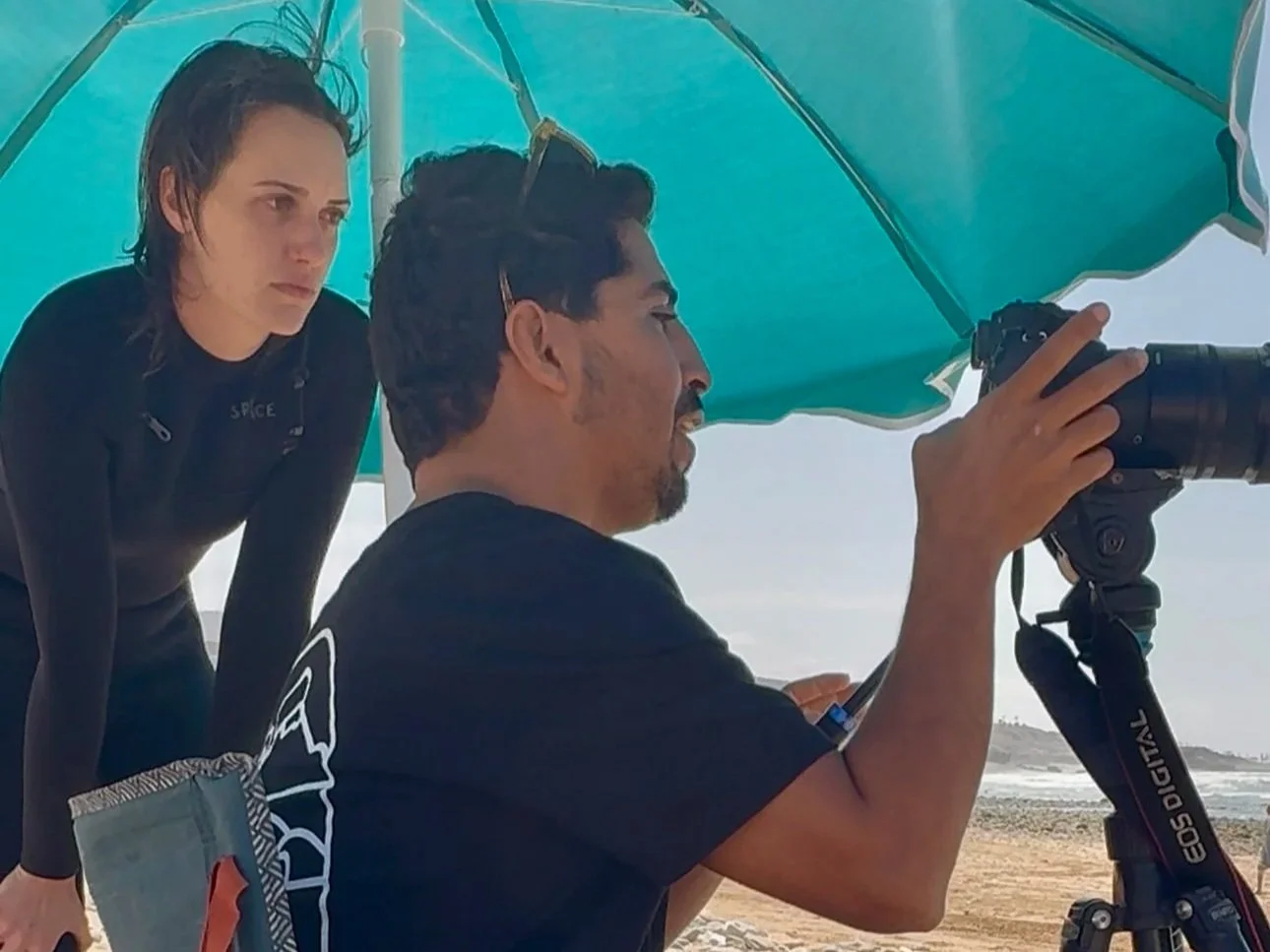
Video analysis by Rachid during Advanced Intermediate surf coaching lesson, Taghazout, Morocco.
What Makes Surf Coaching More Effective?
Improving in surfing requires more than just time in the water. Real progress comes from structured coaching, the right conditions, and focused feedback.
At Local Surf Maroc, our approach is designed to help surfers develop step by step through:
Small coaching groups: Allowing instructors to provide individual feedback and guidance.
Clear progression stages: Helping surfers understand their current level and the skills needed to move forward.
Technique-focused coaching: Developing better stance, timing, wave selection, and board control.
Smart surf spot selection: Choosing waves that match the group’s level and the conditions of the day.
The goal isn’t just to help you catch waves — it’s to help you become a better surfer with every session.
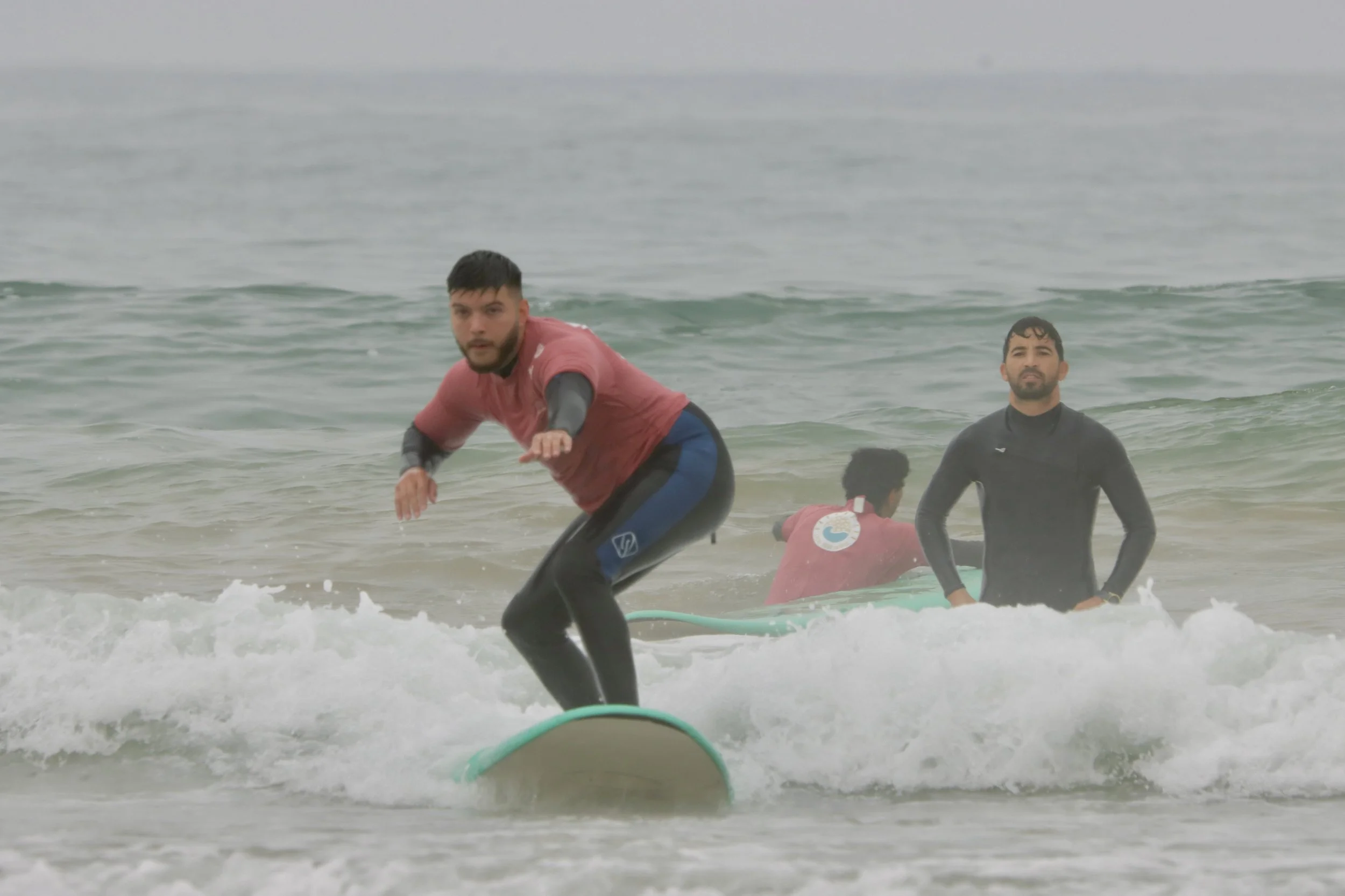
Successfully surfing a whitewater wave during a beginner surf lesson.
Why Progression Makes Surfing More Enjoyable
When surfers understand their level and what to work on next, everything becomes easier. They:
catch more waves
feel more confident in the ocean
enjoy surfing more
Because the real joy of surfing is not just standing up on a wave. It’s continuing to improve and discovering what you can do on a surfboard.
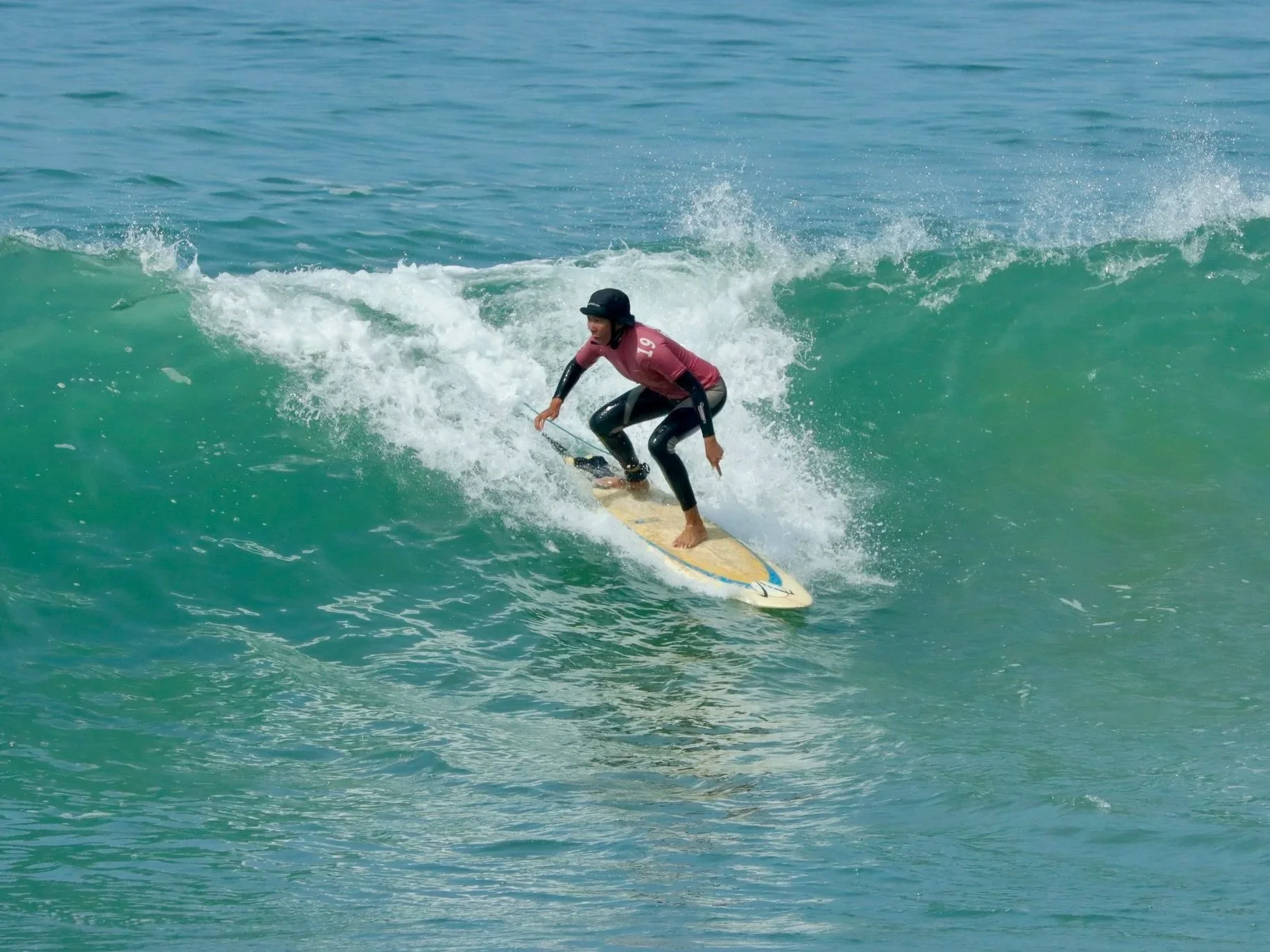
Catching a green wave before executing a bottom turn on the Advanced Intermediate Surf Coaching lesson.
Find Your Surf Level
Understanding your surf level is the first step toward real progression.
At Local Surf Maroc, we use a clear framework to help surfers identify where they are in their development and what skills to focus on next.
Progress in surfing isn’t random — it’s structured.
Take our Surf Level Assessment to discover your starting point and find the coaching experience designed to help you improve.