Why Intermediate Surfers Struggle to Improve (And Why Morocco is Ideal for Progression)
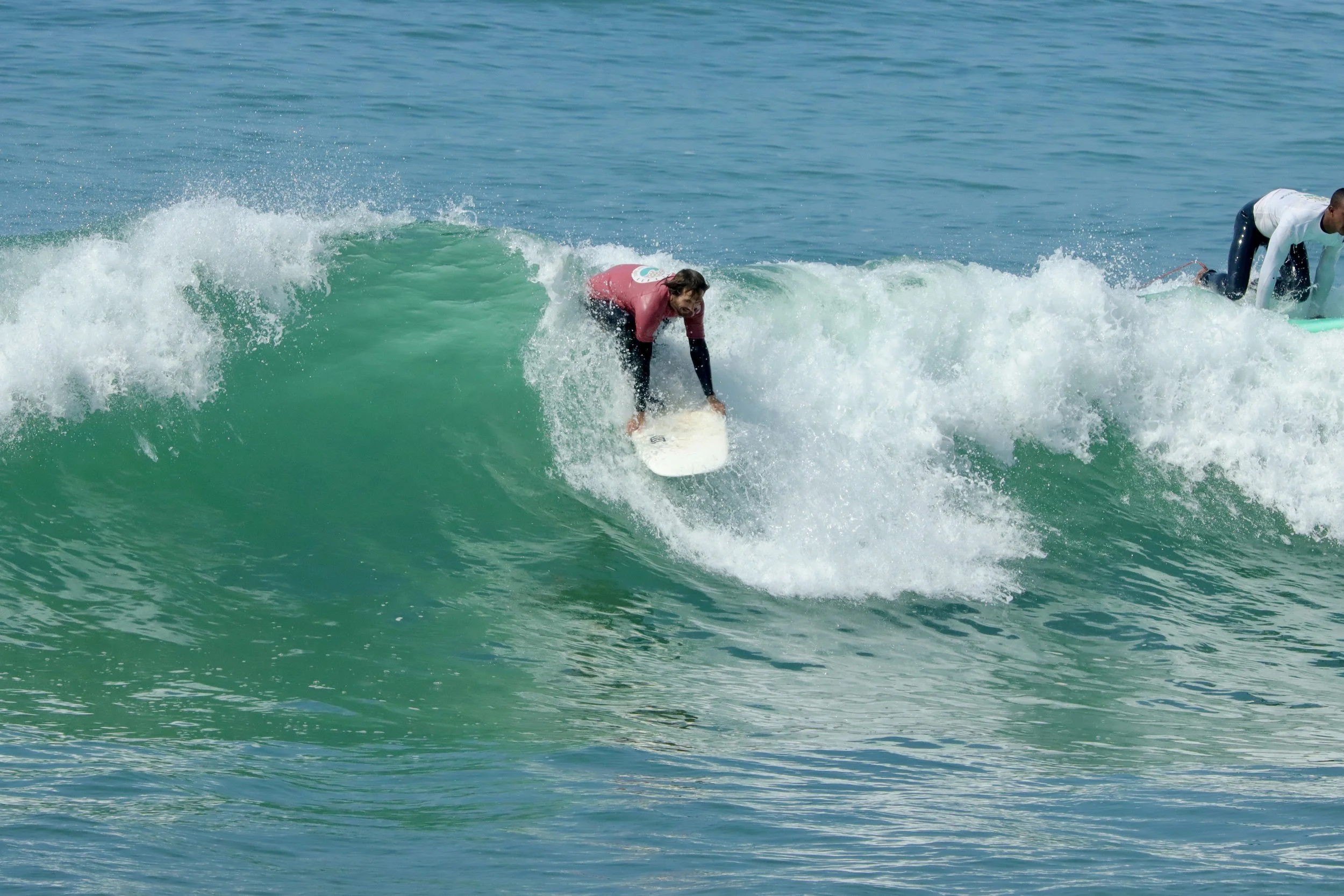
There’s a point in surfing where improvement stops being obvious.
You can catch green waves consistently and stand up without thinking about it. But beyond that, things become less clear:
One wave feels controlled, the next doesn’t.
Sometimes you’re in the right place without knowing why, other times you miss the wave completely.
You might find that your takeoffs feel rushed, or that you make the drop but lose speed quickly.
You start a turn but can’t quite follow through.
There are moments where everything connects, but they’re inconsistent and hard to repeat.
This is where many surfers get stuck.
Not because they need more time in the water, but because they don’t yet understand what’s causing those differences from one wave to the next — or what they should be focusing on to improve.
What is an Intermediate Surfer? (Surf Level Explained)
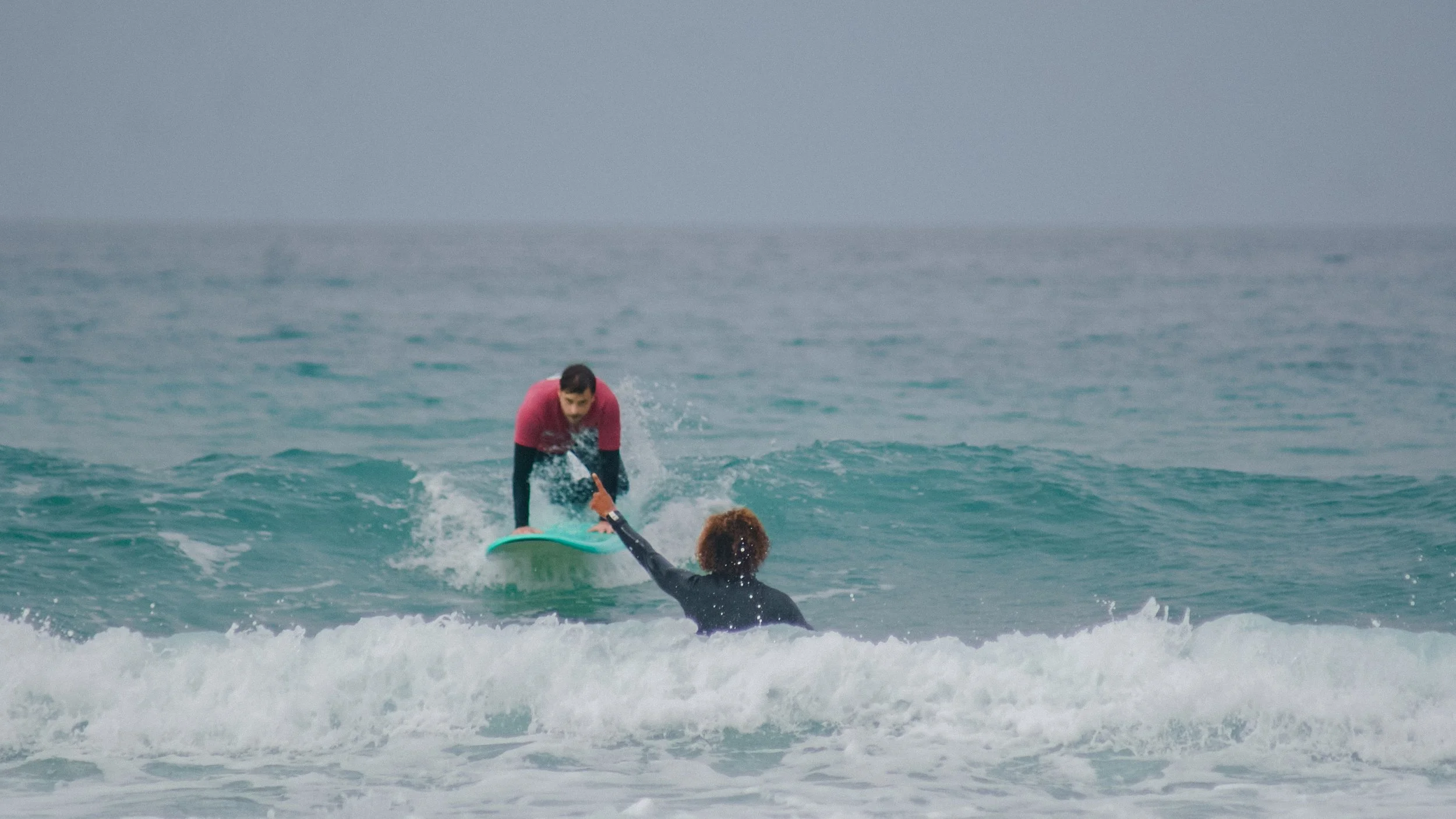
At this stage, the issue isn’t getting to your feet — it’s what happens around it.
You’re able to catch waves, but small differences start to matter more:
Where you sit in the lineup affects whether you get in early or late.
When you pop up affects whether the drop feels smooth or rushed.
How you position yourself on the wave affects whether you keep speed or lose it.
These aren’t big, obvious mistakes. They’re small variations that change the outcome of each wave.
That’s why one wave can feel controlled, while the next feels unstable — even in similar conditions.
And because those differences are subtle, they’re harder to recognise and even harder to correct.
Why Intermediate Surfers Struggle to Improve
At this level, most surfers are putting in enough time.
The issue is usually not effort — it’s a lack of clarity.
Many surfers go into the water without a clear focus. They paddle out, catch waves, and repeat the same movements, but don’t know what they’re trying to improve. Without that reference point, it’s difficult to recognise whether anything is actually changing.
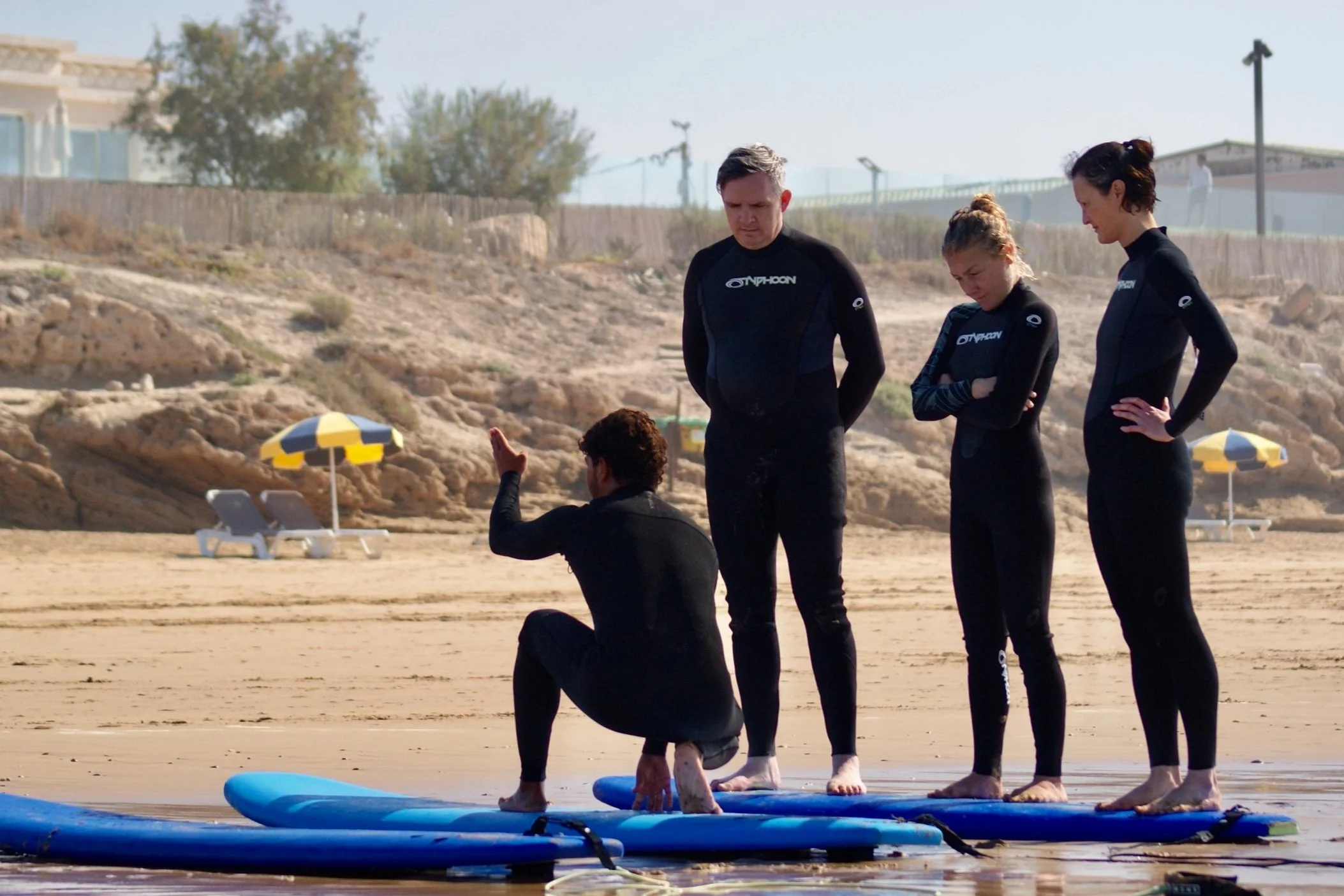
Feedback is another limiting factor. If no one points out what’s happening in your surfing, small issues go unnoticed. You might be taking off too late, looking down instead of where you want to go, or losing speed through your stance — but without feedback, those patterns repeat.
Wave choice also plays a role. If conditions are too small, there’s not enough energy to work with. If they’re too big or too fast, you spend most of your time reacting rather than practicing.
At this stage, simply repeating the same movements doesn’t automatically lead to improvement—it often just reinforces existing habits.
Is Morocco Good for Intermediate Surfers?

Yes! Morocco can be a very good place for intermediate surfers, but it depends on how the conditions are used.
What makes Morocco different is the variety of surf spots in close proximity to each other. Along this coastline, you’ll find everything from softer beach breaks to faster, more technical point breaks. Some waves give you time to set up, others force you to make decisions earlier and with more precision.
That variation is what creates the opportunity to improve.
Easier waves allow you to work on positioning and timing. More demanding waves expose where you’re late, out of position, or reacting instead of anticipating.
But not every surf setup makes use of this.
Many surfers end up in large groups, surf the same spot every day, and don’t adjust to changes in tide, wind, or swell. Even with good waves, progress can stall if the sessions don’t match what the surfer actually needs.
The environment supports progression, but it only becomes effective when combined with the right approach.
Can You Improve Your Surfing in a Week?
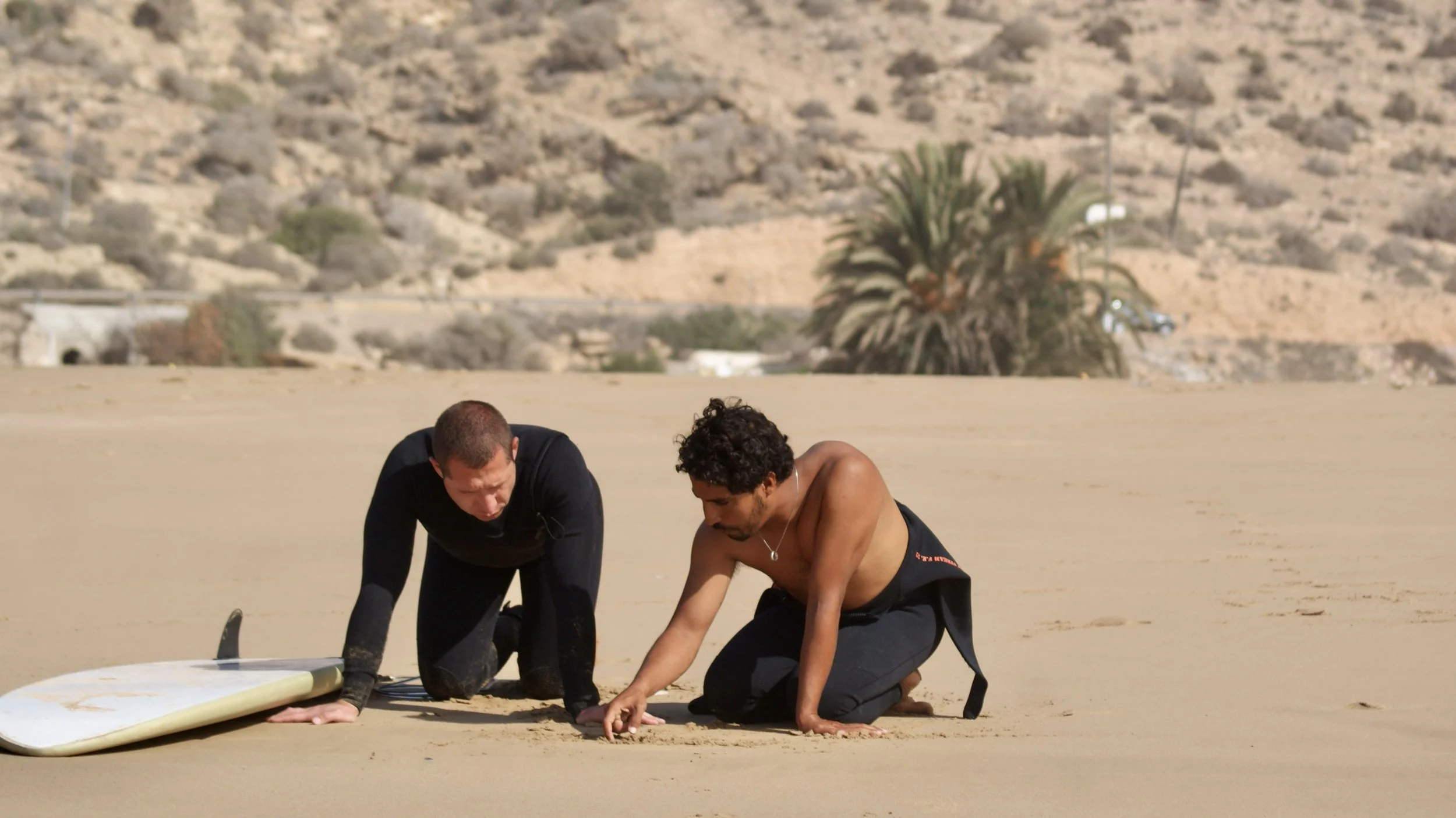
Yes, you can improve in a week, but only if the sessions are structured.
At this level, progression comes from consistent, level-appropriate conditions and clear, focused feedback. When sessions are built around specific goals, even small adjustments can lead to noticeable improvements.
At Local Surf Maroc, sessions are built around one or two specific points. Instead of trying to change everything at once, the focus stays consistent across multiple sessions so those adjustments start to carry over from one wave to the next.
Without that structure, even a full week in the water can lead to little change.
What Actually Helps Intermediate Surfers Improve
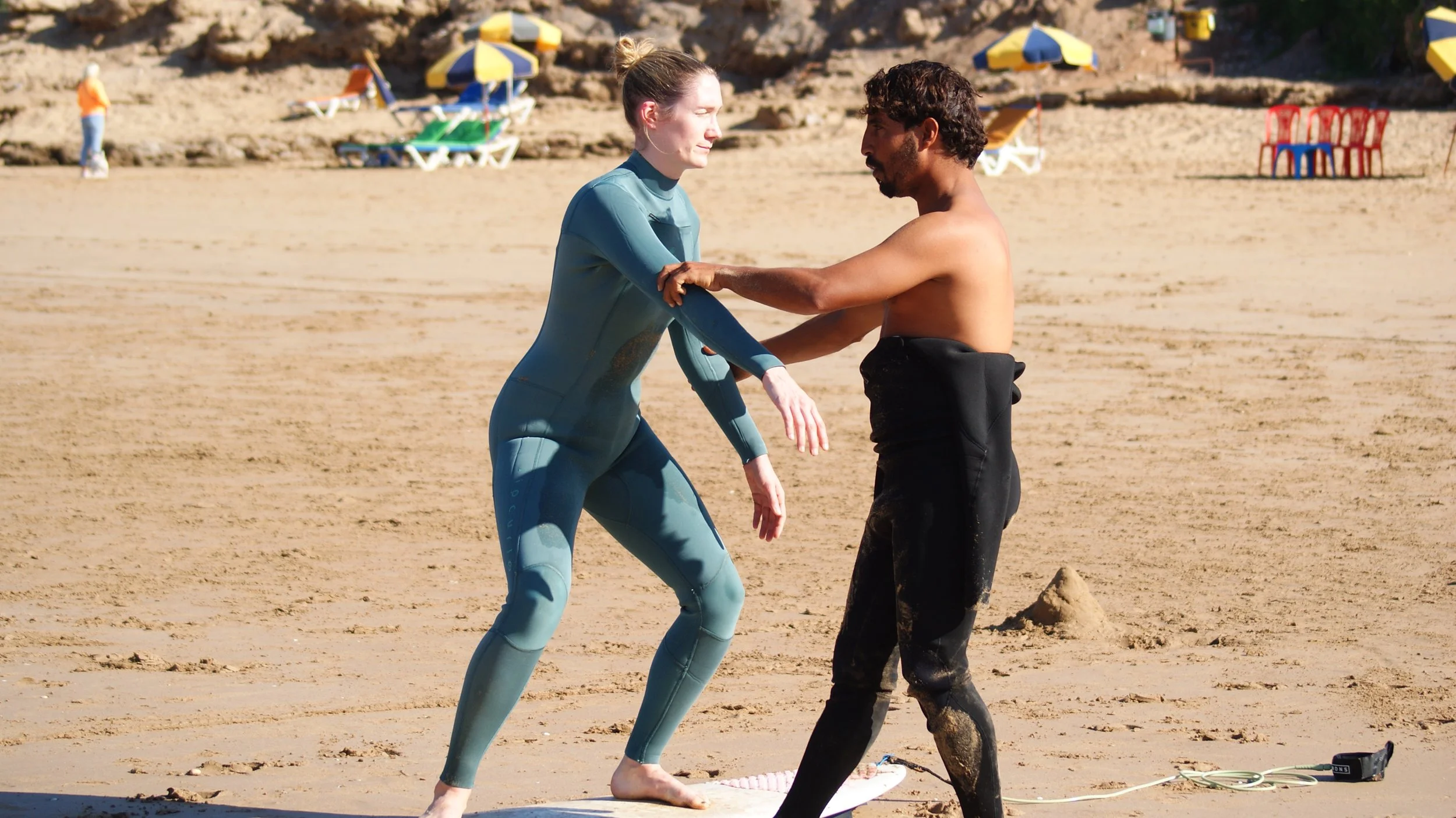
Most intermediate surfers don’t lack time in the water. They lack clarity, feedback, and the right environment to improve.
Clarity means knowing exactly what to focus on in each session. Every session has a purpose—whether that’s positioning, timing, or decision-making. Surfers benefit from having a clear objective and understanding what they are trying to improve.
Feedback closes the gap between what you think you’re doing and what’s actually happening. It allows surfers to correct mistakes early and avoid reinforcing ineffective habits.
Appropriate conditions make it possible to practice rather than react. Waves should be challenging enough to promote development, but not so difficult that they prevent learning.
And finally, repetition only works if it’s intentional. Progress comes from practising the right things, consistently.
This is why many surfers plateau—because one or more of these pieces is missing.
A Different Approach to Surfing in Morocco
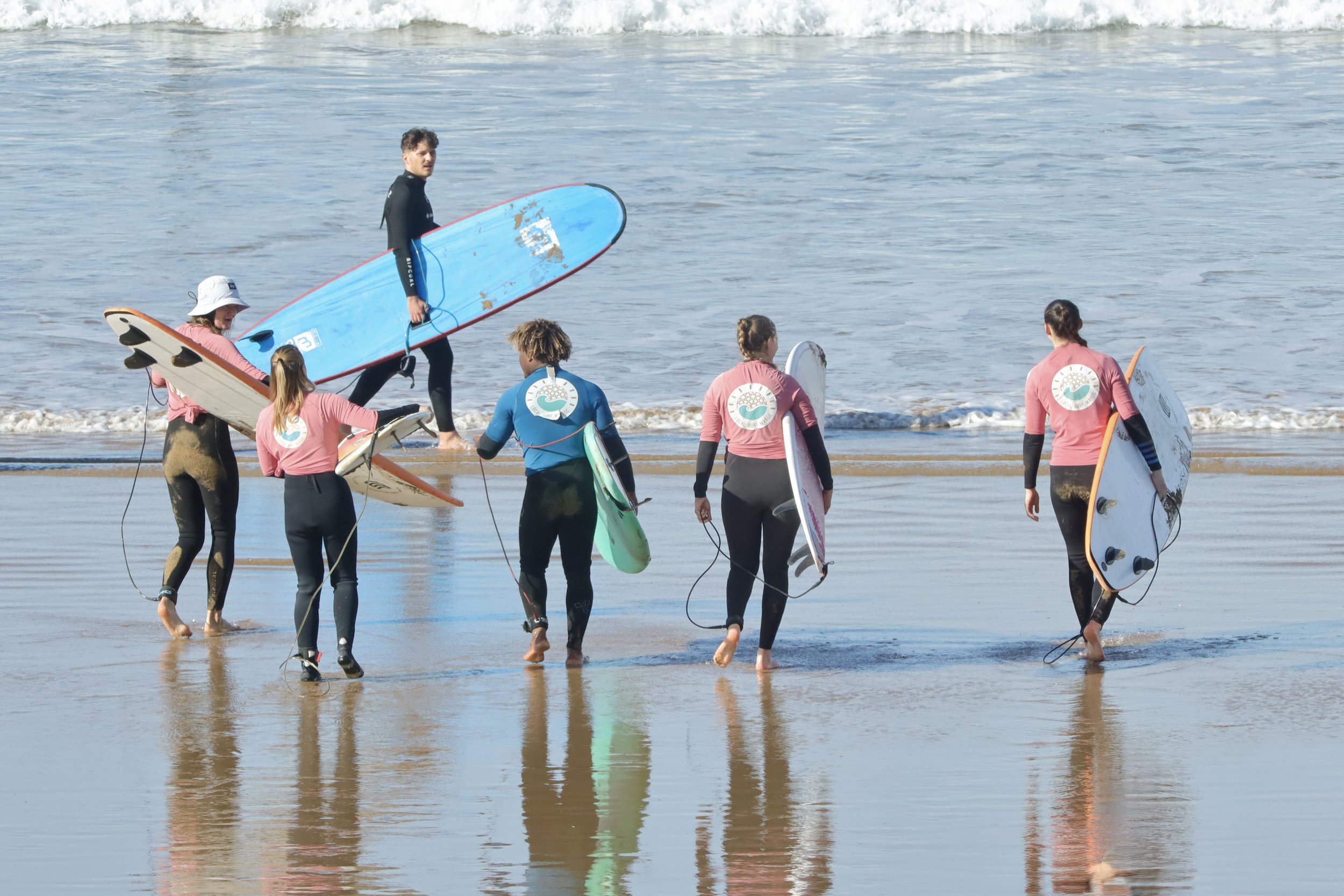
Most surf camps in Morocco are built around volume—large groups, mixed levels, and limited structure.
Local Surf Maroc takes a different approach.
The focus is on helping surfers understand what they’re doing, why it matters, and what to work on next.
That involves:
Small coaching groups to ensure real attention
Surf spot selection based on level—not convenience
Clear, practical feedback in and out of the water
Sessions that build on each other, not repeat the same experience
The aim is not simply to spend more time in the water, but to make that time more effective.
Where Do You Start?
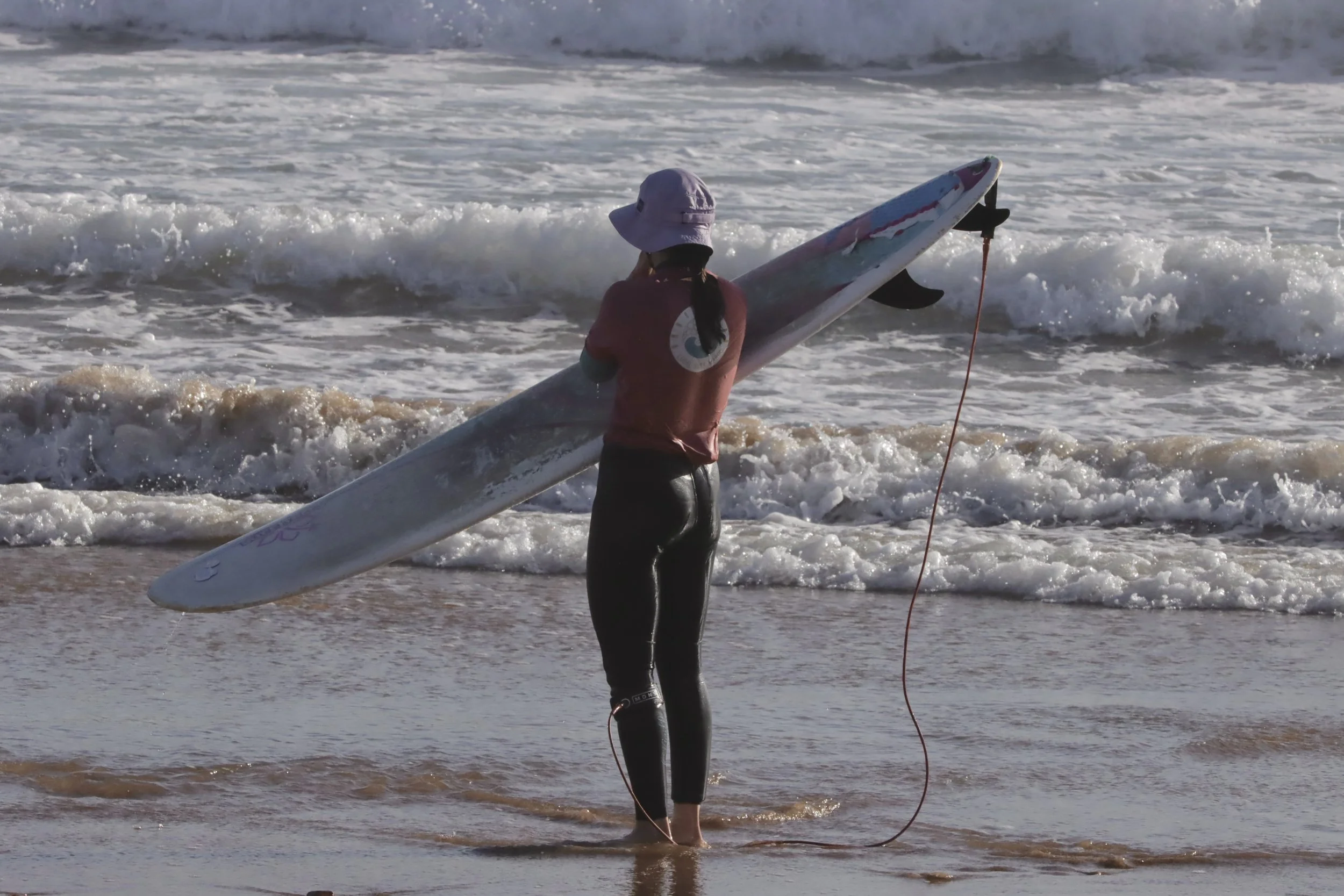
Many surfers do not have a clear understanding of where they are in their progression, which makes it difficult to know what to focus on next.
Once you understand your current level, everything becomes clearer:
What to focus on
What to ignore
What will actually move you forward
Progress in surfing is not random or guesswork. It follows a structure, even if that structure is not always obvious.
If you are unsure of your current level, taking a Surf Level Assessment can help identify your starting point and provide a clearer direction for improvement.