
Is Summer the Best Time to Learn to Surf in Morocco?
If you're planning your first surf holiday, one of the biggest questions you'll ask is:
"When is the best time to learn to surf in Morocco?"
While Morocco is famous for its powerful winter swells and world-class point breaks, summer offers something completely different—and for many beginner and progressing surfers, something even better.
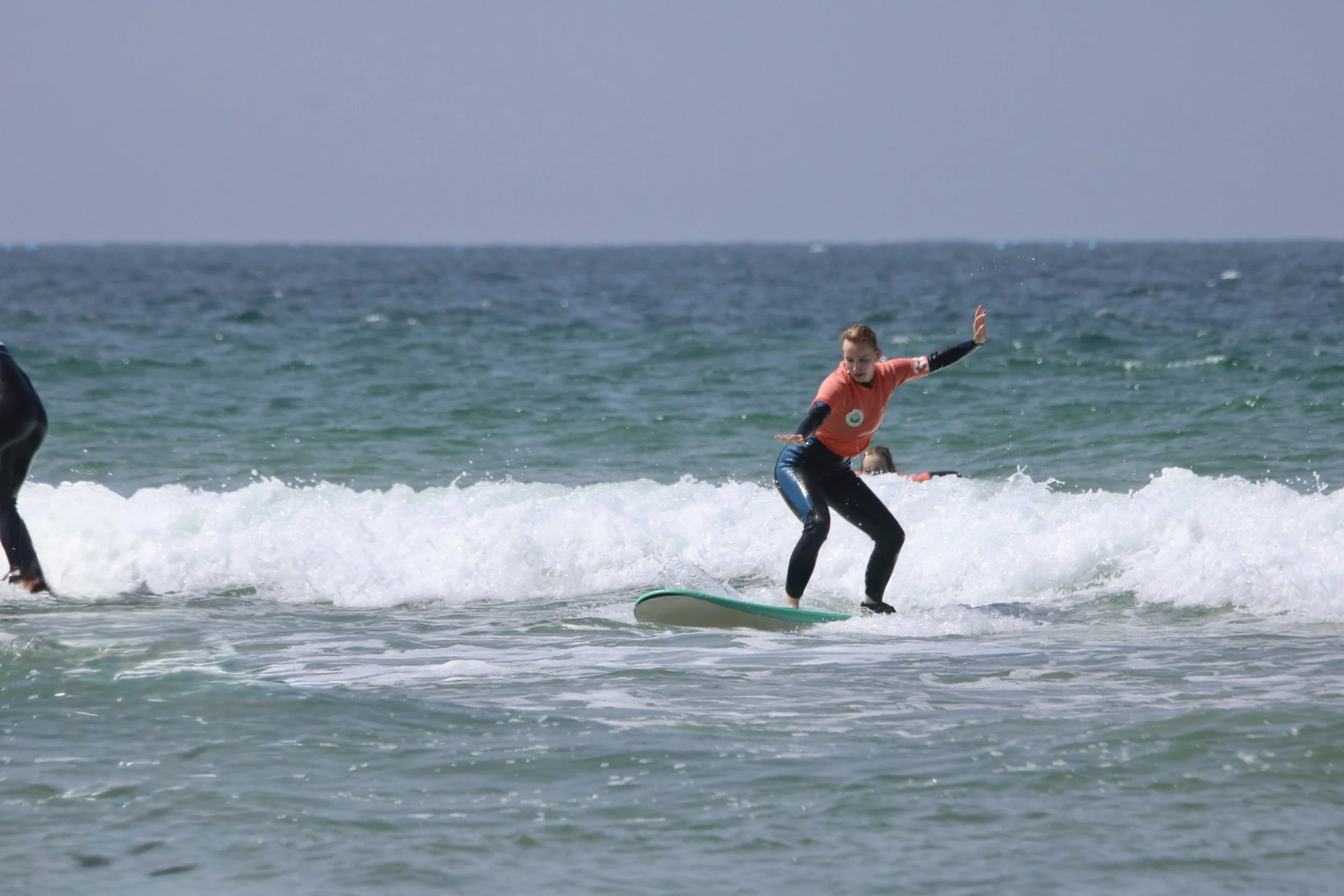
From May to August, smaller waves, warmer weather, and more forgiving conditions create the perfect environment to build confidence, develop strong fundamentals, and spend more time riding waves.
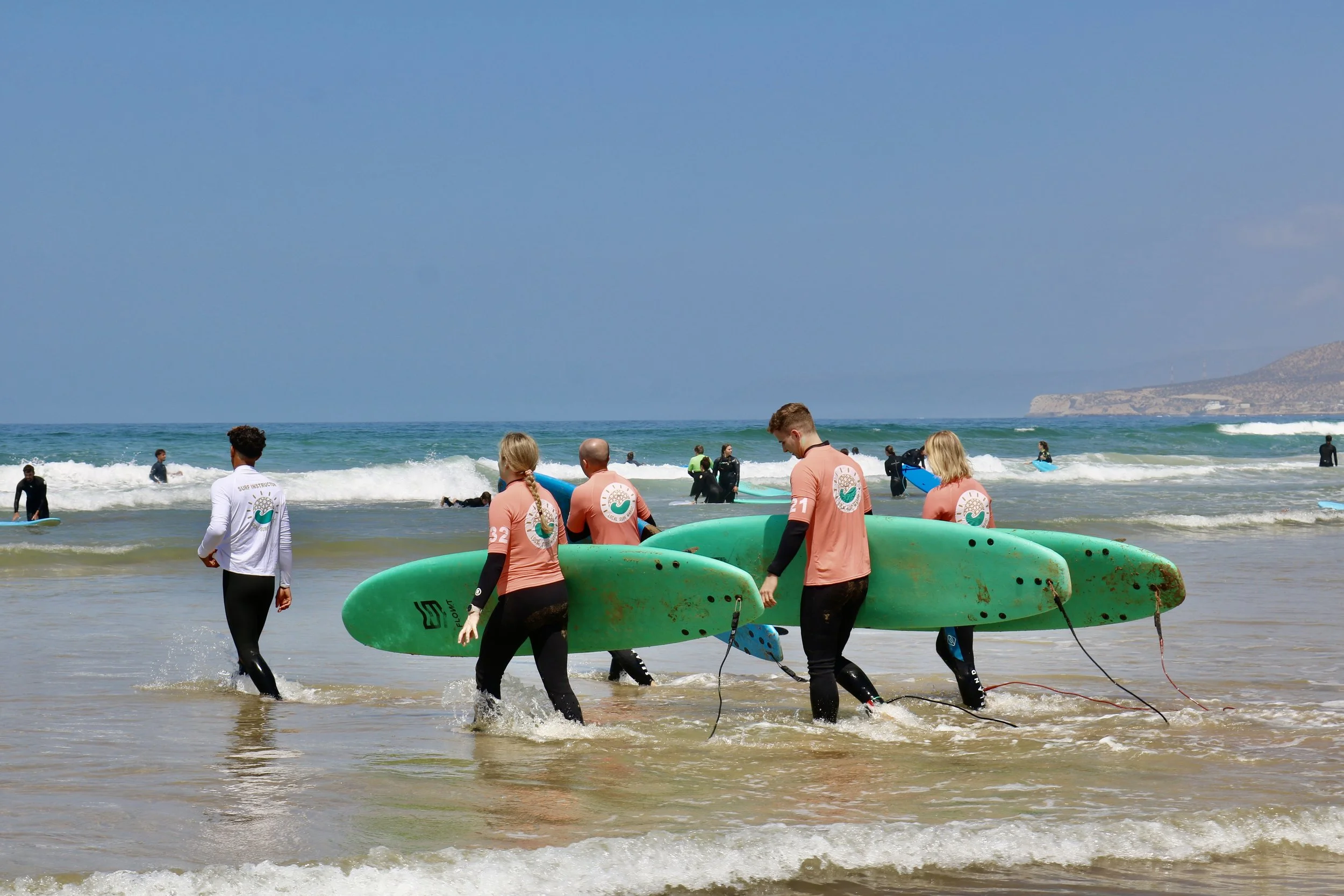
At Local Surf Maroc, we coach surfers throughout the year, but summer remains one of our favourite seasons for helping people start their surfing journey.
The Short Answer?
Yes. Summer is one of the best times to learn to surf in Morocco.
Here's why:
Smaller, more forgiving waves.
Warmer air and water temperatures.
More opportunities to catch waves and practise.
Beginner-friendly surf spots around Taghazout Bay.
Ideal conditions for building strong surfing fundamentals.
1. Smaller Waves Help You Learn Faster
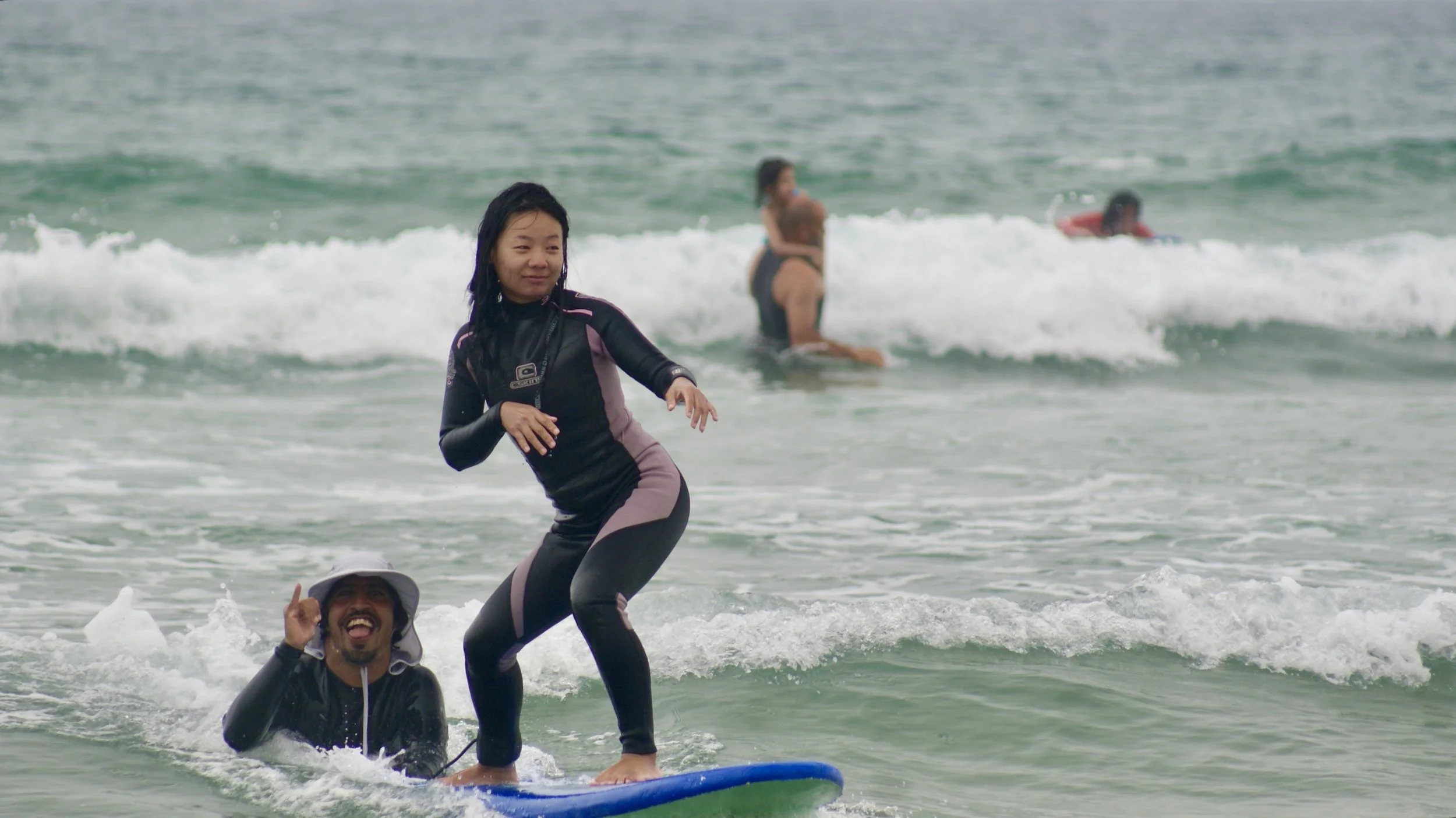
One of the biggest misconceptions about surfing is that bigger waves make better surfers.
In reality, the opposite is often true.
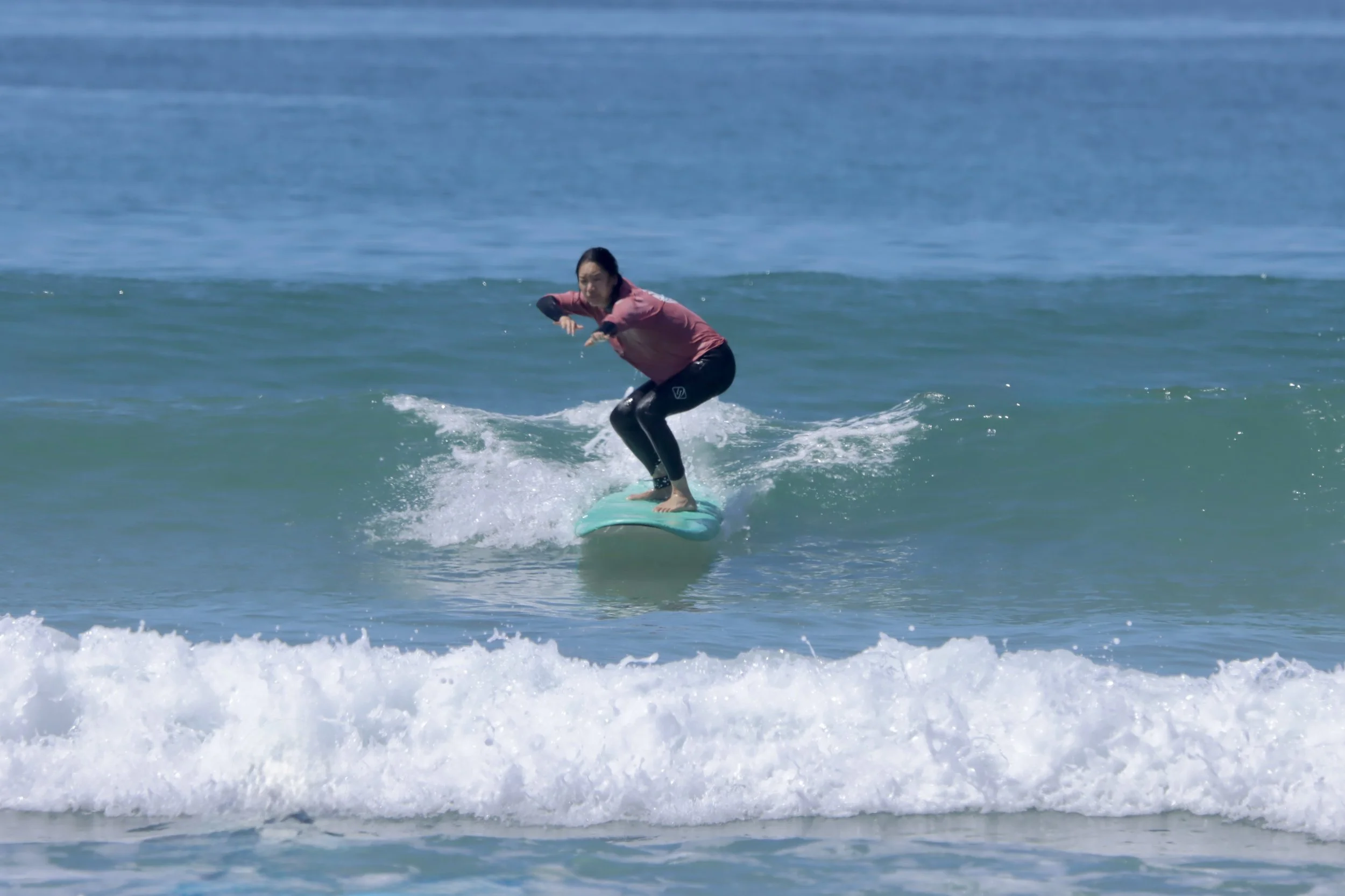
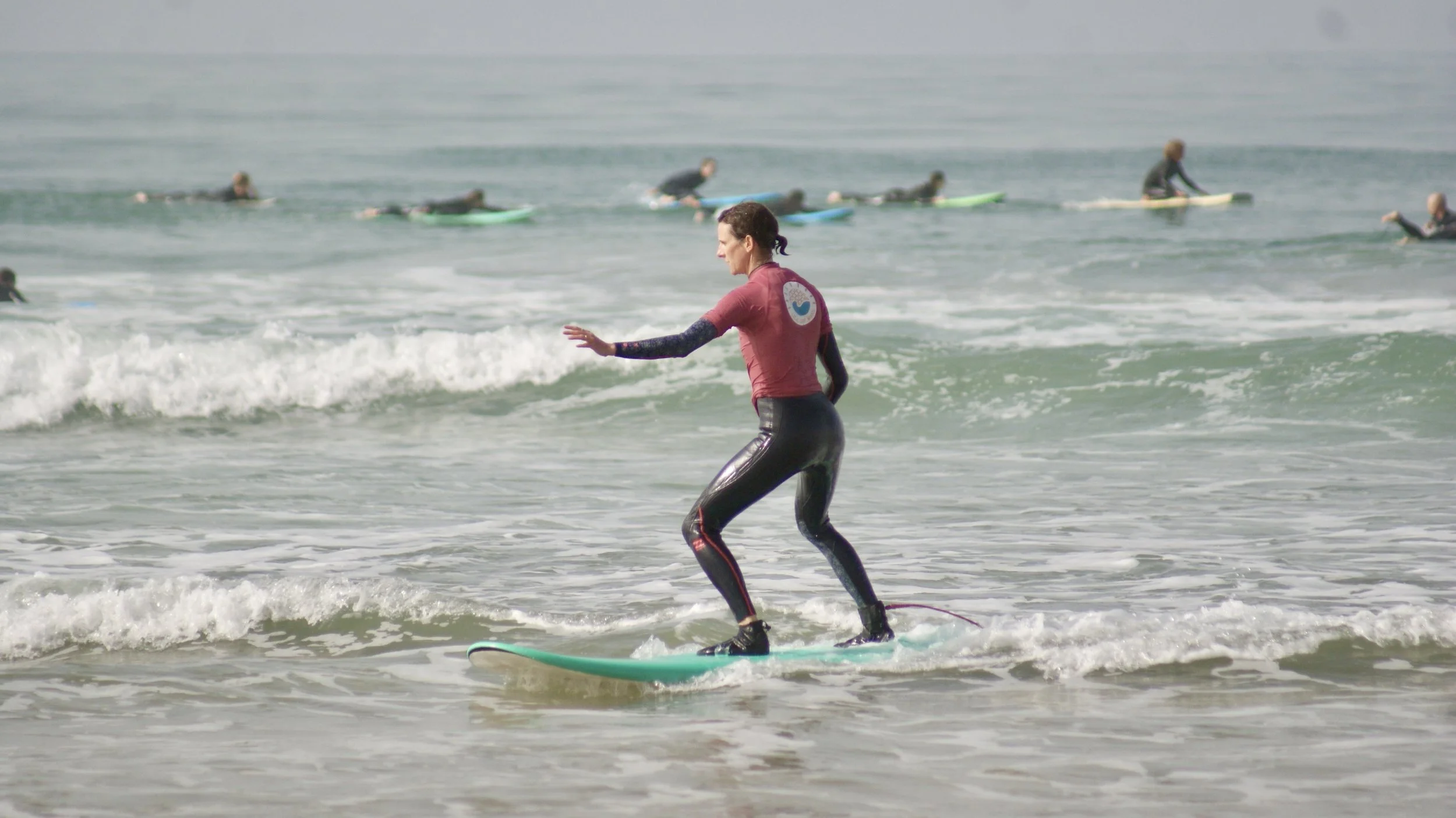
During the summer months, Morocco receives smaller Atlantic swells than in winter. Rather than producing fast, powerful waves, many beaches around Taghazout Bay offer slower, softer waves that give beginners more time to think, react, and develop good technique.
Instead of simply surviving the ocean, you can focus on the skills that matter most:
Efficient paddling
Board positioning
Pop-ups
Balance
Timing
Reading waves
These are the foundations that every surfer relies on, regardless of experience.
2. More Waves Mean More Repetition
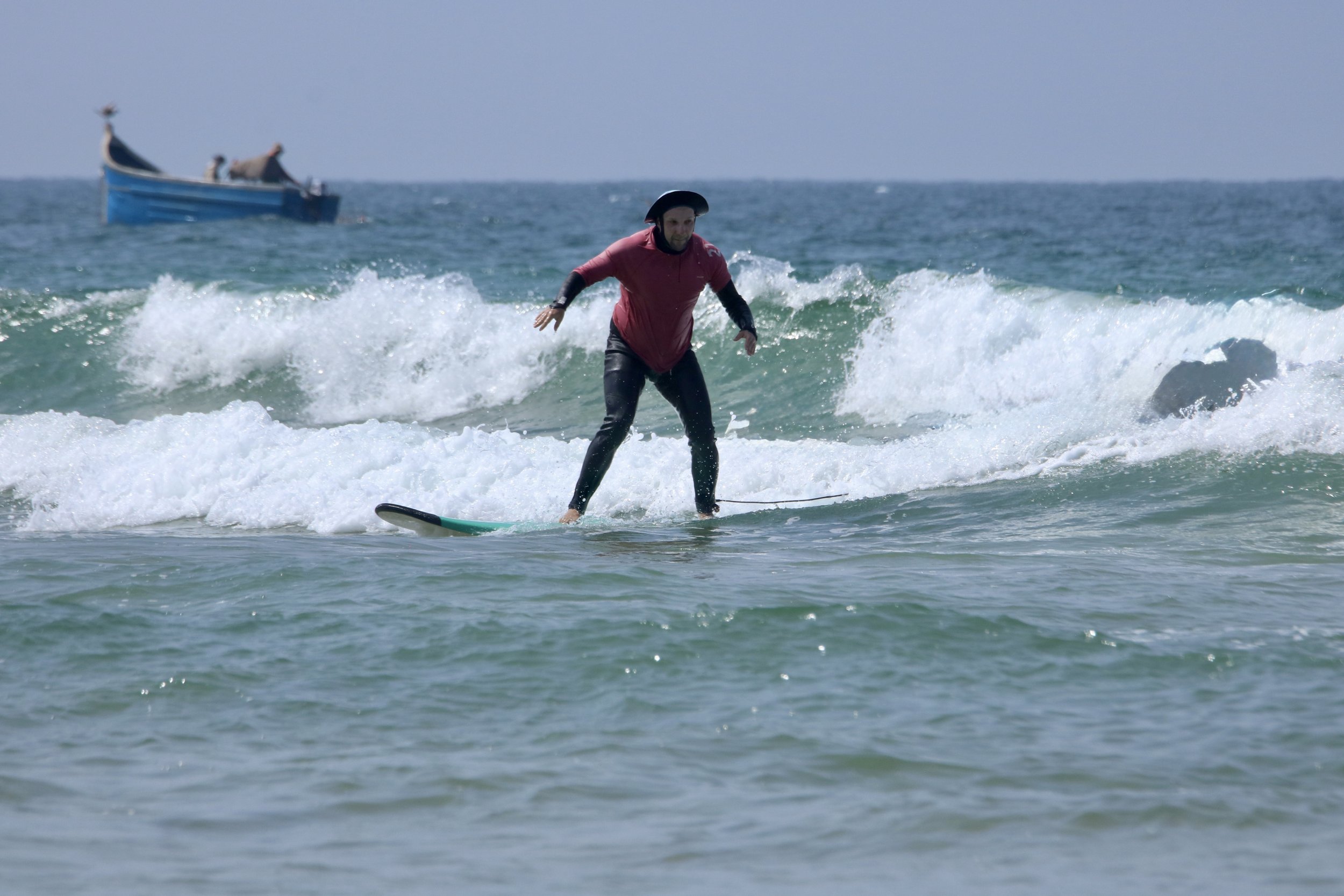
Progress in surfing comes from repetition.
The more waves you catch, the more opportunities you have to practise, receive feedback, and make small improvements.
Summer conditions often allow beginners to catch significantly more waves during a session than they would in larger winter surf.
More waves mean:
More confidence.
More experience.
Faster learning.
Rather than waiting for the "perfect" wave, you're constantly building skills through repetition.
3. Warm Weather Means Longer Sessions
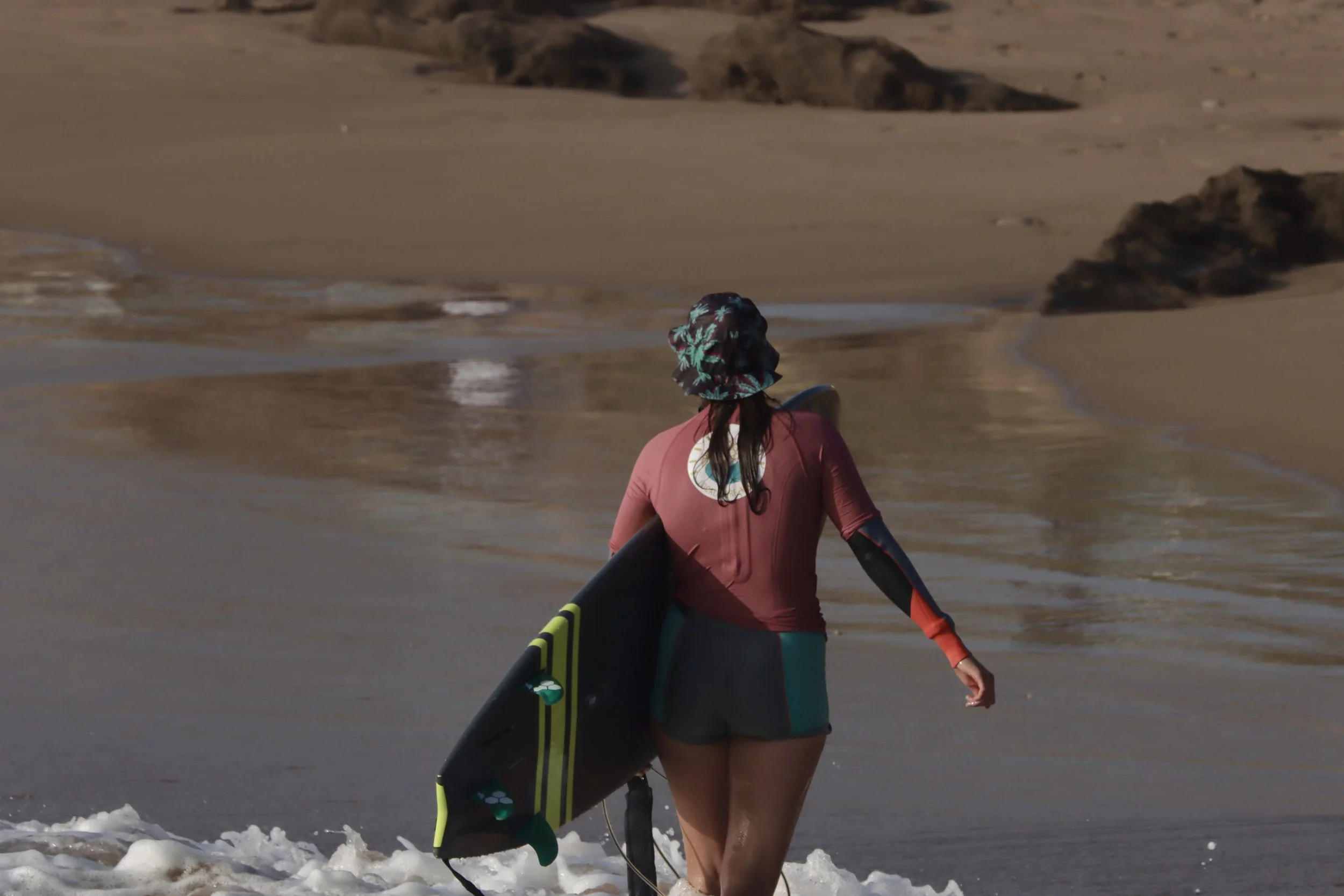
Summer temperatures in southern Morocco typically range between 25–30°C, while the Atlantic Ocean becomes noticeably warmer than during winter.
Many surfers are comfortable wearing a 2mm wetsuit, a shorty, or even surfing in swimwear during warmer parts of the day.
More importantly, comfortable conditions allow you to stay focused on learning.
Instead of thinking about cold hands or thick wetsuits, you can concentrate on paddling, positioning, and catching waves.
4. The Right Surf Spot Changes Every Day
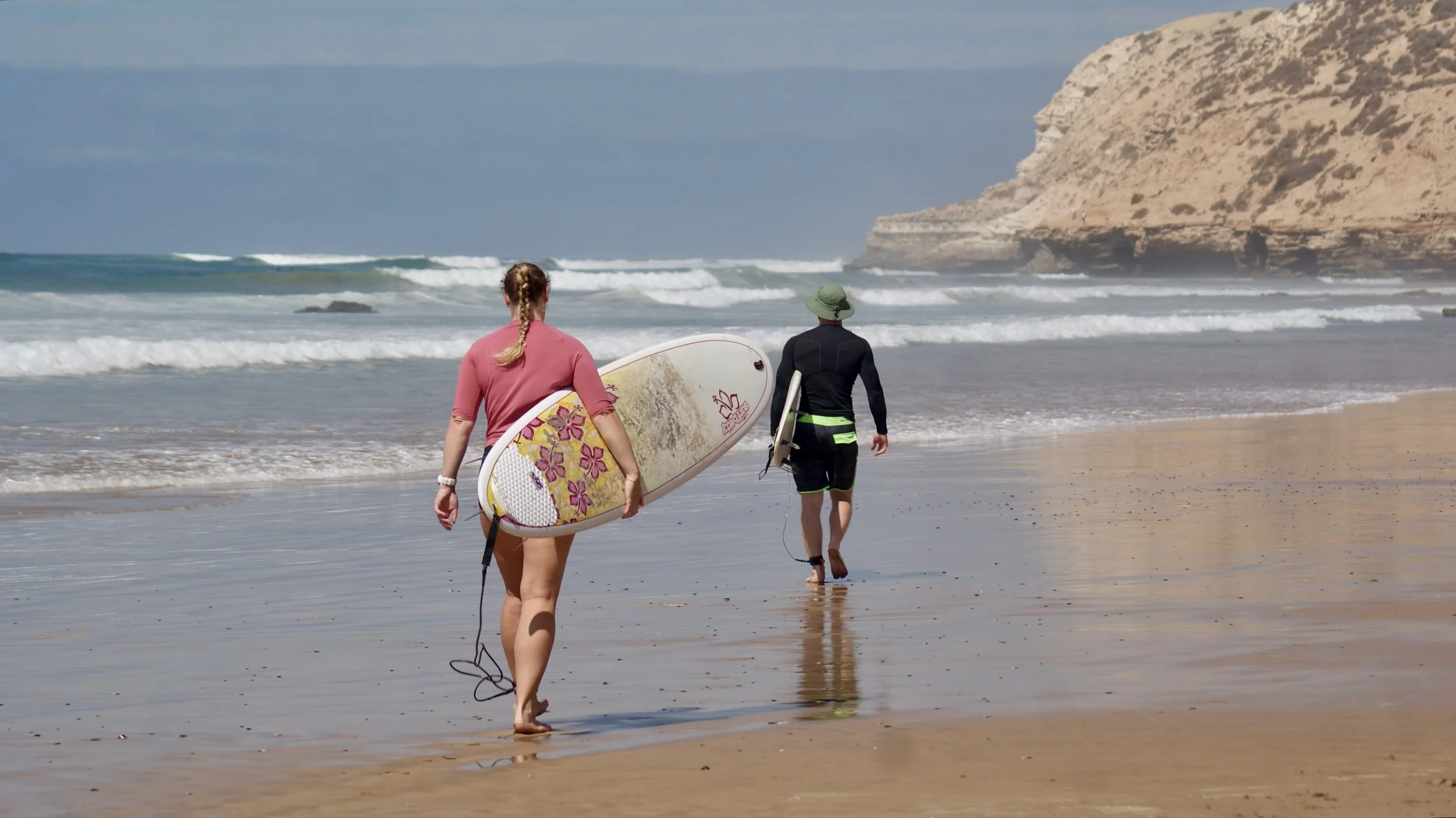
One of the biggest advantages of learning to surf in Morocco is the variety of surf breaks available.
Around Tamraght and Taghazout Bay, we have access to several beginner-friendly beaches, including Crocros, Devil's Rock, Panoramas, and other suitable locations depending on the conditions.
Rather than surfing the same beach every day, we choose the location based on:
Swell size
Wind direction
Tide
Your surfing level
Choosing the right surf spot isn't about chasing the biggest waves.
It's about finding the conditions that give you the best opportunity to progress safely and confidently.
5. Summer Is the Perfect Time to Build Strong Fundamentals
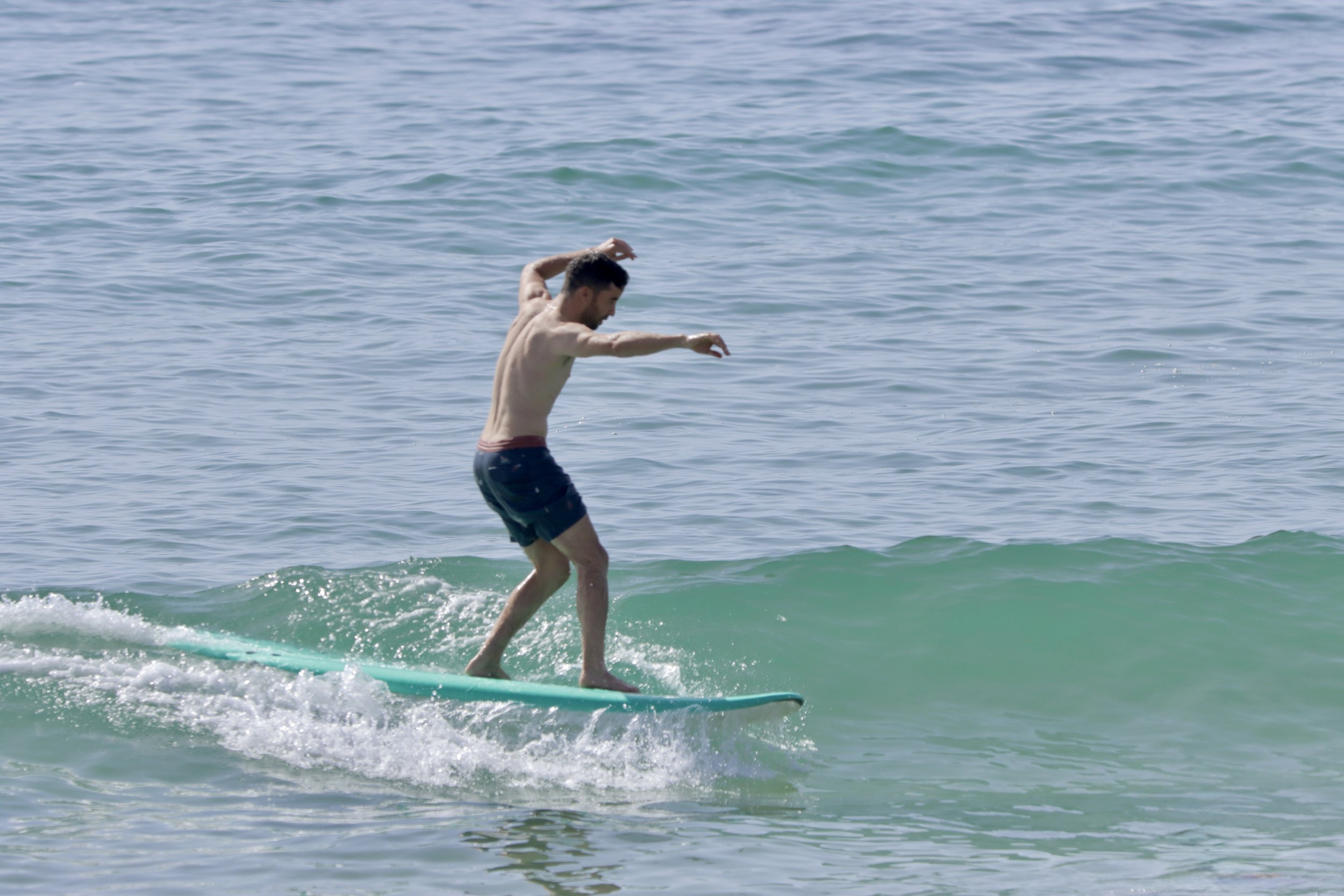
Many surfers think progression only happens on bigger, more challenging waves.
In reality, smaller summer waves often provide a better environment for learning.
With the right coaching and equipment, you can begin developing:
Wave reading
Frontside and backside turns
Speed generation
Weight transfer
Trim and positioning
These skills become the building blocks for surfing larger, more powerful waves in the future.
6. Structured Coaching Makes the Difference
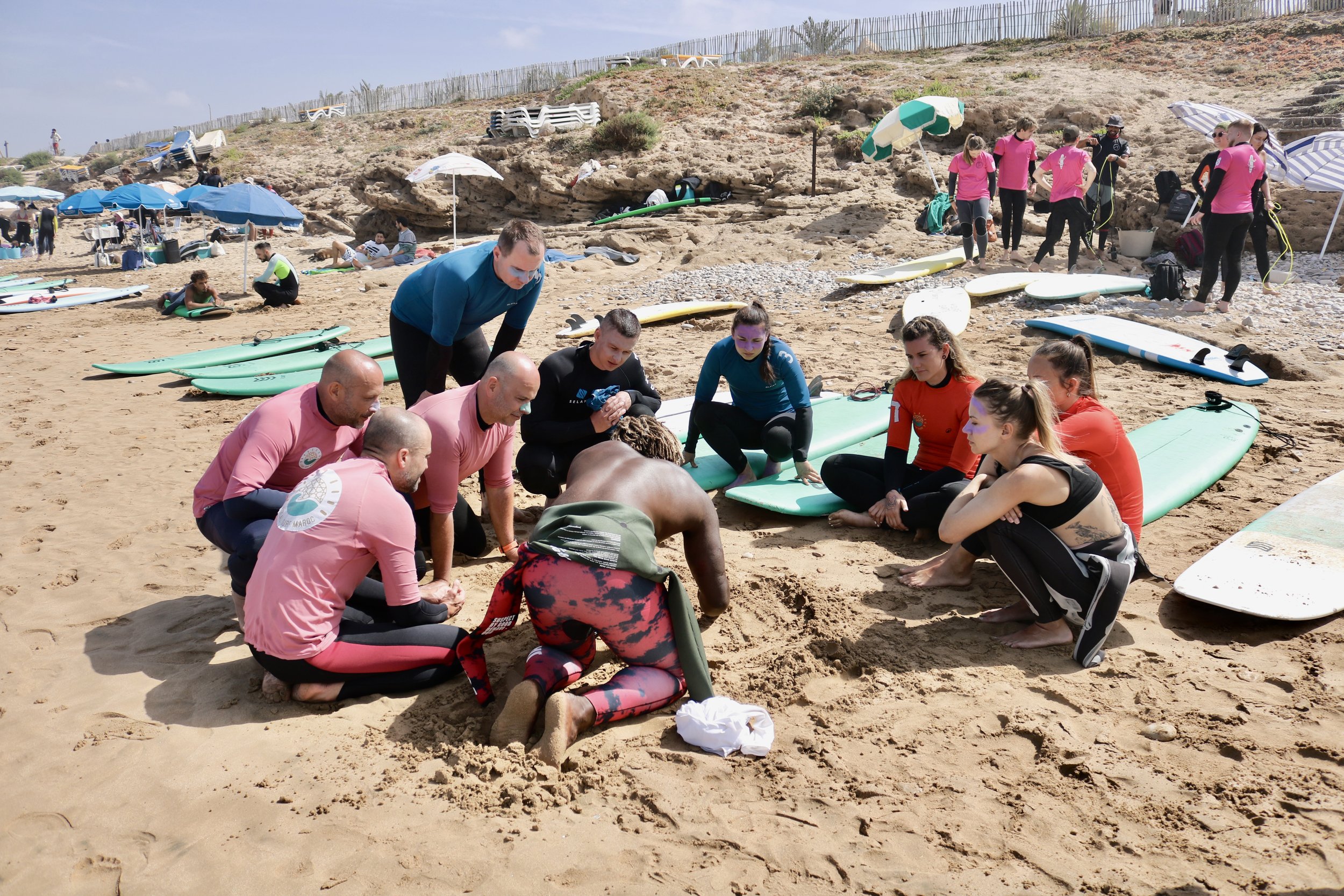
Two people can spend the same week surfing in Morocco and leave with completely different results.
One unknowingly repeats the same mistakes until they become habits.
The other receives structured coaching, personalised feedback, and learns how to correct those mistakes before they stick.
At Local Surf Maroc, our coaching combines:
Small coaching groups.
Daily surf theory.
Personalised feedback.
Video analysis.
Carefully selected surf spots.
Equipment matched to your level and the day's conditions.
The goal isn't simply to help you stand up.
It's to help you understand why you're progressing.
7. Summer Isn't Just for Complete Beginners
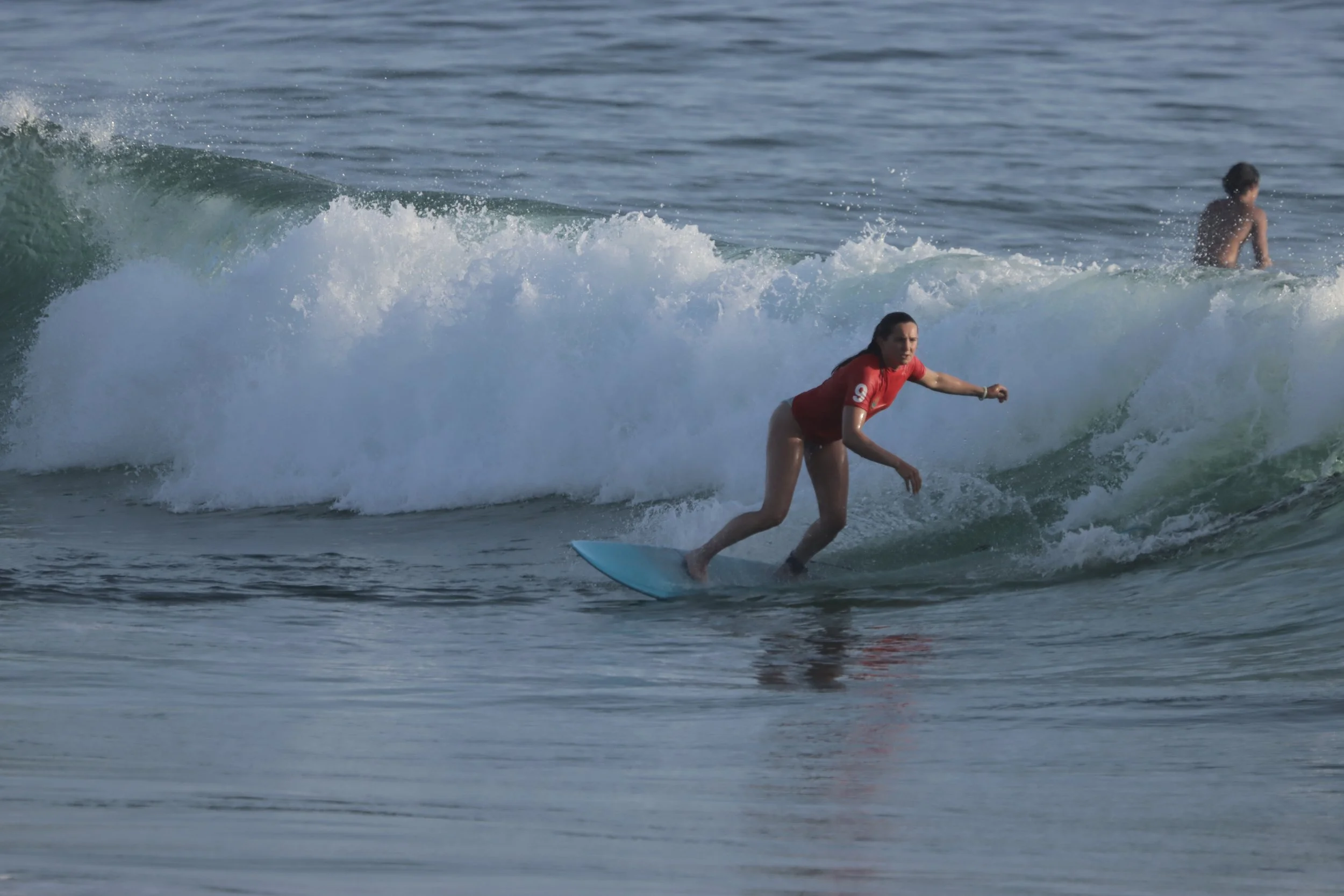
While summer is ideal for learning to surf, it's also an excellent season for improving.
Intermediate surfers often use smaller summer waves to:
Refine technique.
Catch more waves.
Improve consistency.
Experiment with different surfboards.
Build confidence before winter arrives.
Many experienced surfers also swap their shortboards for longboards or even foam boards during summer.
Choosing the right board for the conditions isn't taking a step backwards—it's often the fastest way to keep progressing.
Frequently Asked Questions About Surfing During Morocco’s Summer
-
No. Morocco receives surfable waves throughout the year. Summer waves are generally smaller than winter, making them particularly well suited to beginners and surfers focusing on technique.
-
Most surfers are comfortable in a 2mm wetsuit, shorty, or even swimwear during warmer days, although personal preference varies.
-
No. While beginners benefit from smaller waves, experienced surfers often use summer to refine technique, ride alternative boards, and focus on the fundamentals.
-
It depends on the day's conditions. Around Taghazout Bay, beaches such as Crocros, Devil's Rock, and Panoramas can all provide excellent beginner conditions when the swell, wind, and tide are suitable.
Ready to Learn to Surf This Summer?
If you're planning a surf holiday in Morocco, summer offers some of the best conditions to build confidence, develop strong fundamentals, and enjoy consistent time in the water.
Whether you're catching your very first wave or looking to refine your technique, our Beginner Surf Coaching combines small groups, structured coaching, local knowledge, video analysis, and carefully selected surf spots to help you make the most of every session.
If you'd like to learn more about our surf coaching or have questions about visiting Morocco during the summer, we'd be happy to help.
Think you're too old, unfit or nervous to learn to surf? Discover the truth behind seven common surfing myths and find out why it's never too late to start your surfing journey in Morocco.