
7 Myths That Stop People Learning to Surf
Don't Let These Common Misconceptions Stop You Catching Your First Wave
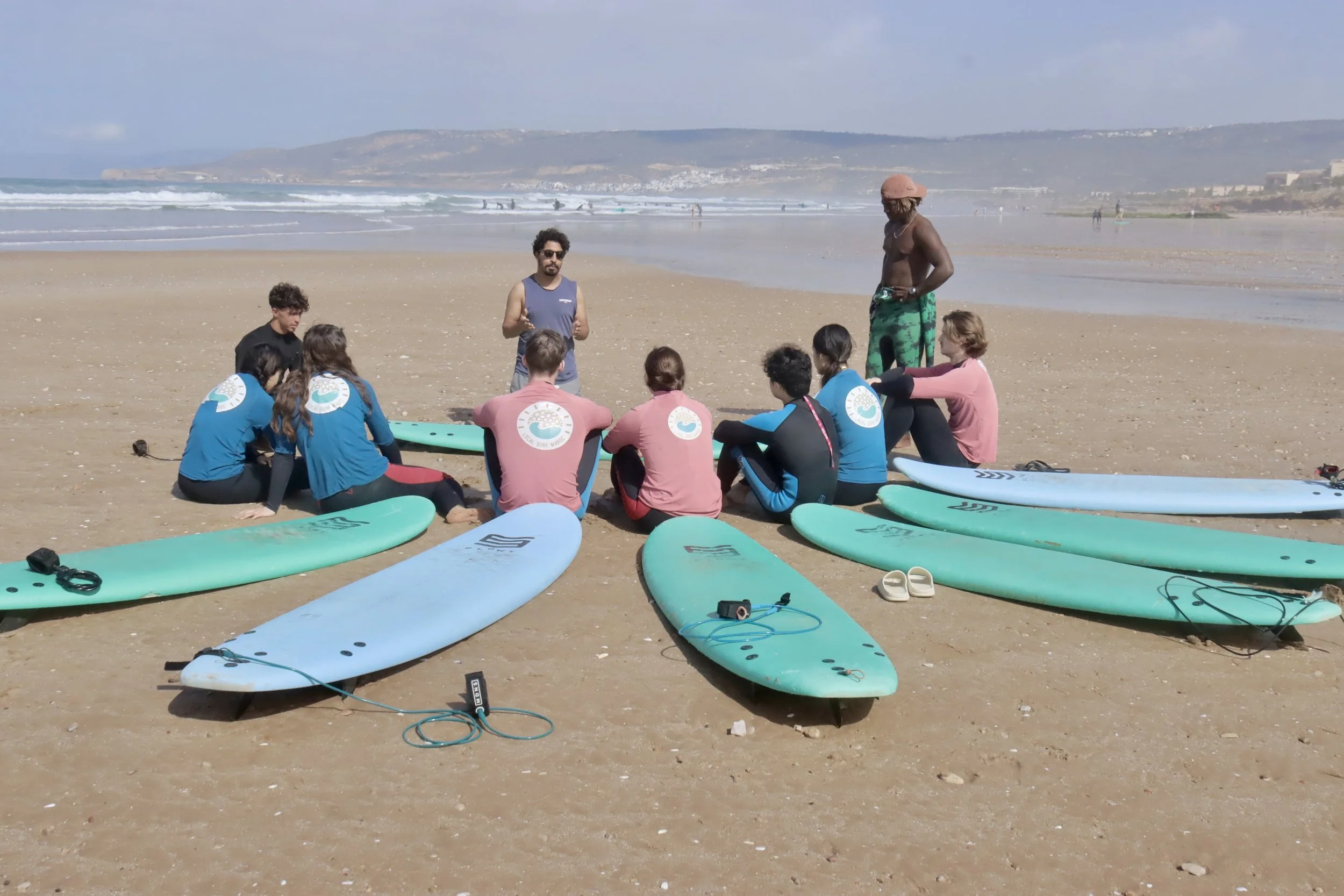
Every year, we speak to people who have always wanted to learn to surf but never quite take the plunge.
Not because they don't want to.
Because they think they're too old, too unfit, too nervous, or simply "not the surfing type."
The reality?
Almost every beginner arrives with at least one of these concerns.
Here are seven of the biggest myths that stop people learning to surf—and why they simply aren't true.
Myth 1: "I'm Too Old to Learn"
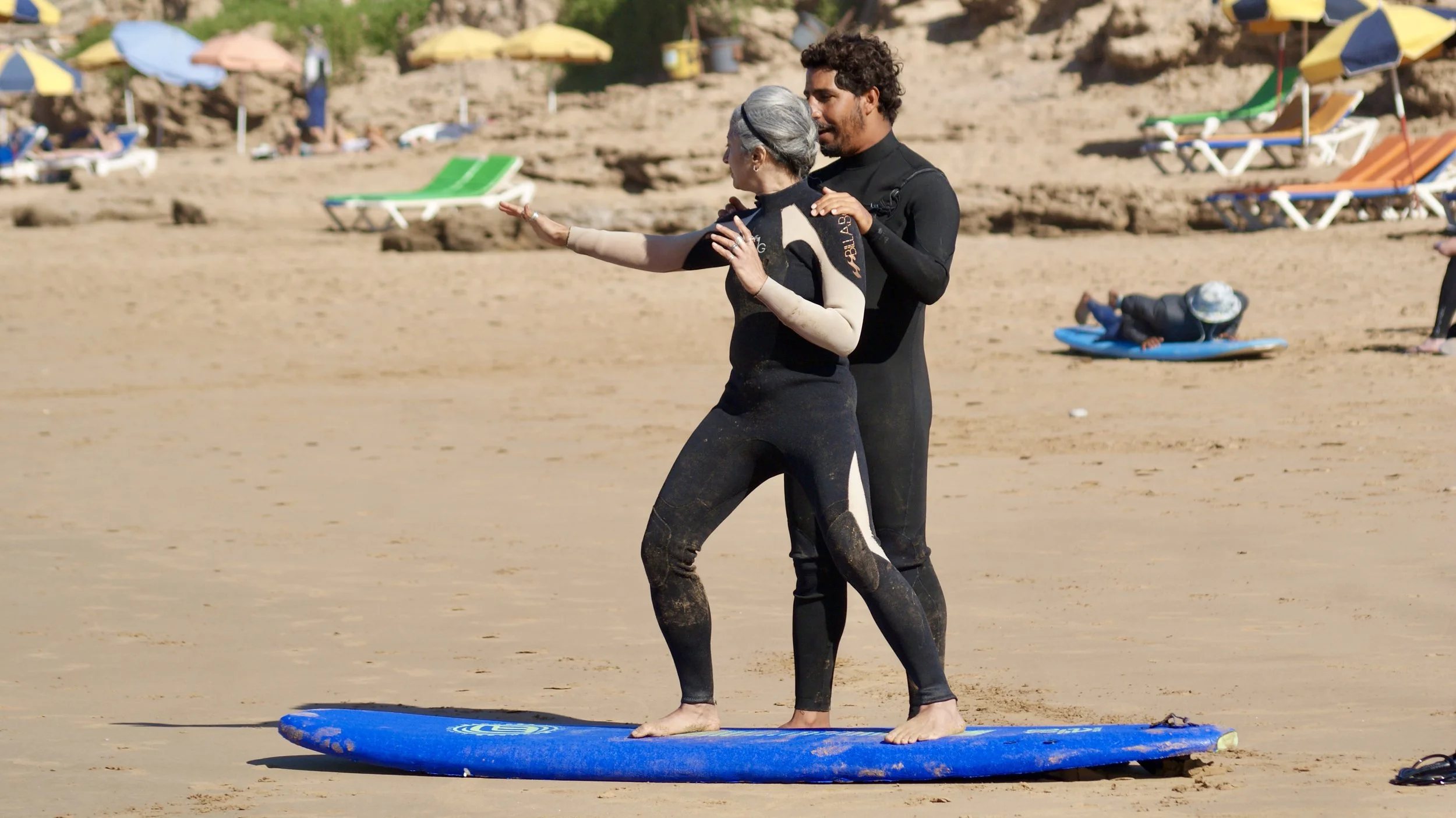
This is one of the most common concerns we hear.
Many people assume surfing is something you have to start as a teenager or in your early twenties.
The reality is very different.
The average age of guests joining our Beginner Surf Coaching programme is around 30 years old, and every season we coach people in their 40s, 50s and beyond who are catching their first waves.
Learning as an adult often comes with advantages. Adults tend to:
Listen carefully to coaching
Ask thoughtful questions
Progress methodically
Stay patient with the learning process
You don't need to become a professional surfer.
You simply need the right coaching, suitable conditions and realistic expectations.
Surfing isn't about when you start—it's about taking the first step.
Myth 2: "I Need to Be Really Fit"
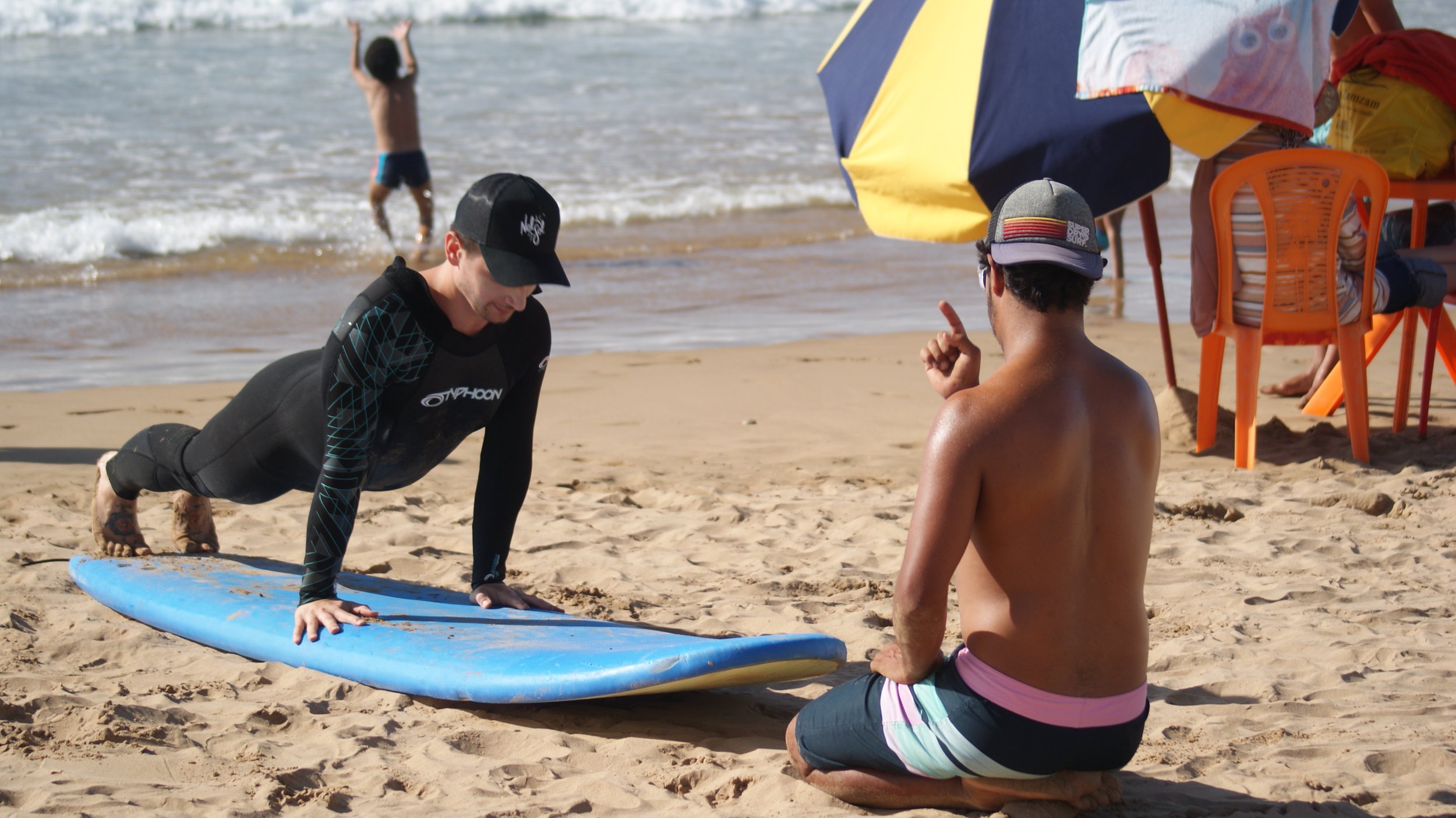
Surfing is physical.
But you don't need elite fitness before your first lesson.
Good beginner coaching is designed around your current ability.
Sessions include plenty of breaks, coaching on the beach, demonstrations and gradual progression.
In fact, many people use surfing as a way to become fitter.
After a week of surfing, most guests notice improvements in:
balance
mobility
endurance
confidence
coordination
Fitness develops alongside your surfing.
It doesn't have to come first.
Myth 3: "I Have No Balance"
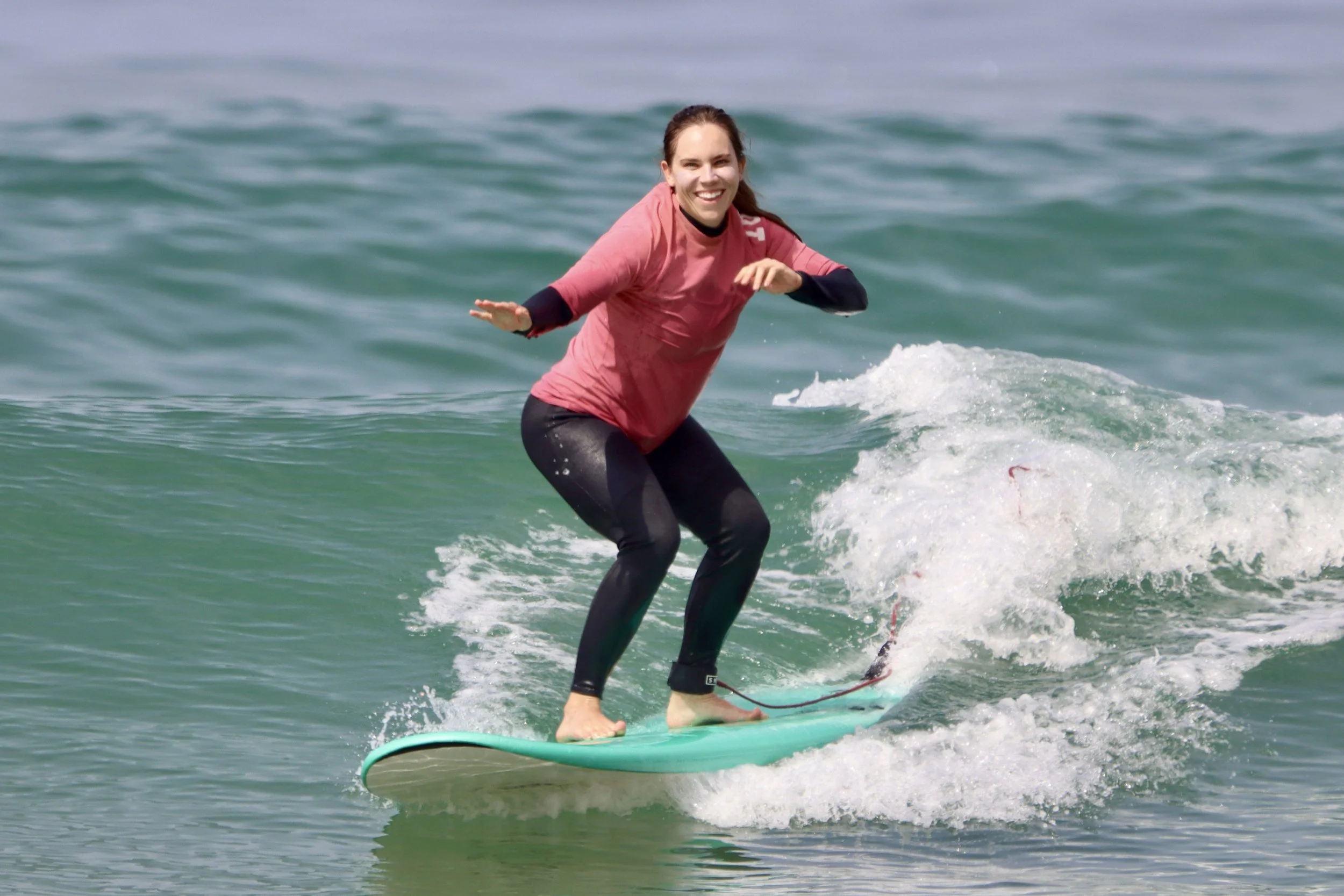
Almost everyone says this.
"I've got terrible balance."
The good news?
Balance is a skill—not something you're born with.
During your first lessons you'll learn:
where to place your feet
how to distribute your weight
how to move with the board instead of fighting it
With repetition, your balance naturally improves.
It's one of the reasons we also include surfskate training when conditions allow. Repeating movements on land helps many surfers build confidence before applying them in the ocean.
Myth 4: “Everyone Else Will Be Better Than Me”
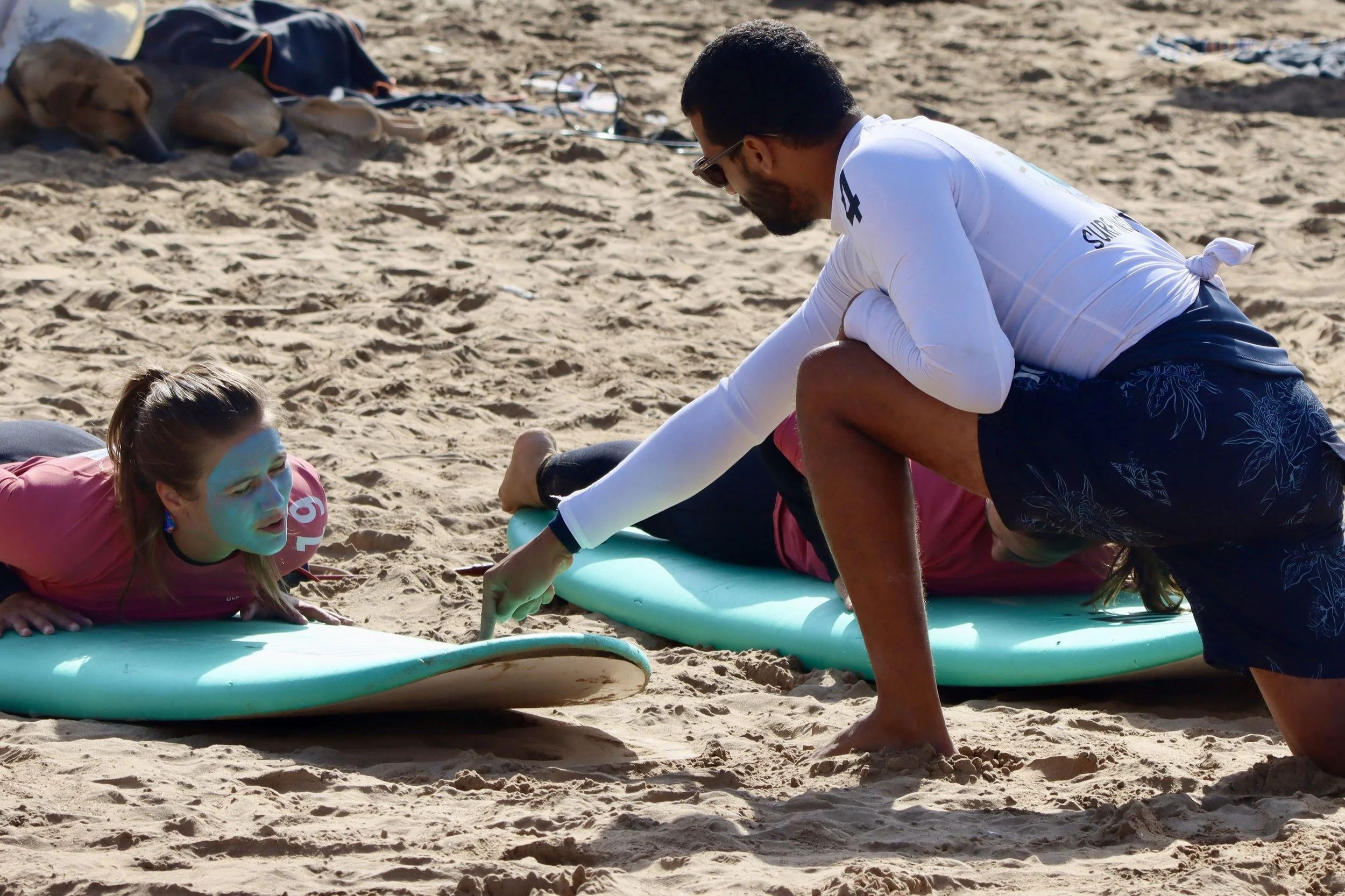
One of the biggest worries people have before arriving is that they will be the least experienced person in the group.
In reality, everyone who comes to Local Surf Maroc is here to learn.
Some guests are learning to stand up for the first time. Others are working on catching green waves more consistently, improving their positioning, or refining technique. The level may be different, but the reason for coming is the same: to become a better surfer.
That is why we organise coaching by ability rather than putting everyone into the same group.
Beginners learn alongside other beginners. Improvers and intermediate surfers work on the skills that are relevant to their stage. This means you are not expected to keep up with someone who has been surfing for years, and you are not held back by a lesson that is too basic for you.
You can focus on your own progression, ask questions openly, make mistakes, and learn without unnecessary pressure.
At Local Surf Maroc, no one arrives because they already know everything. They arrive because they want to improve.
Myth 5: "I'll Be Embarrassed If I Keep Falling Off"
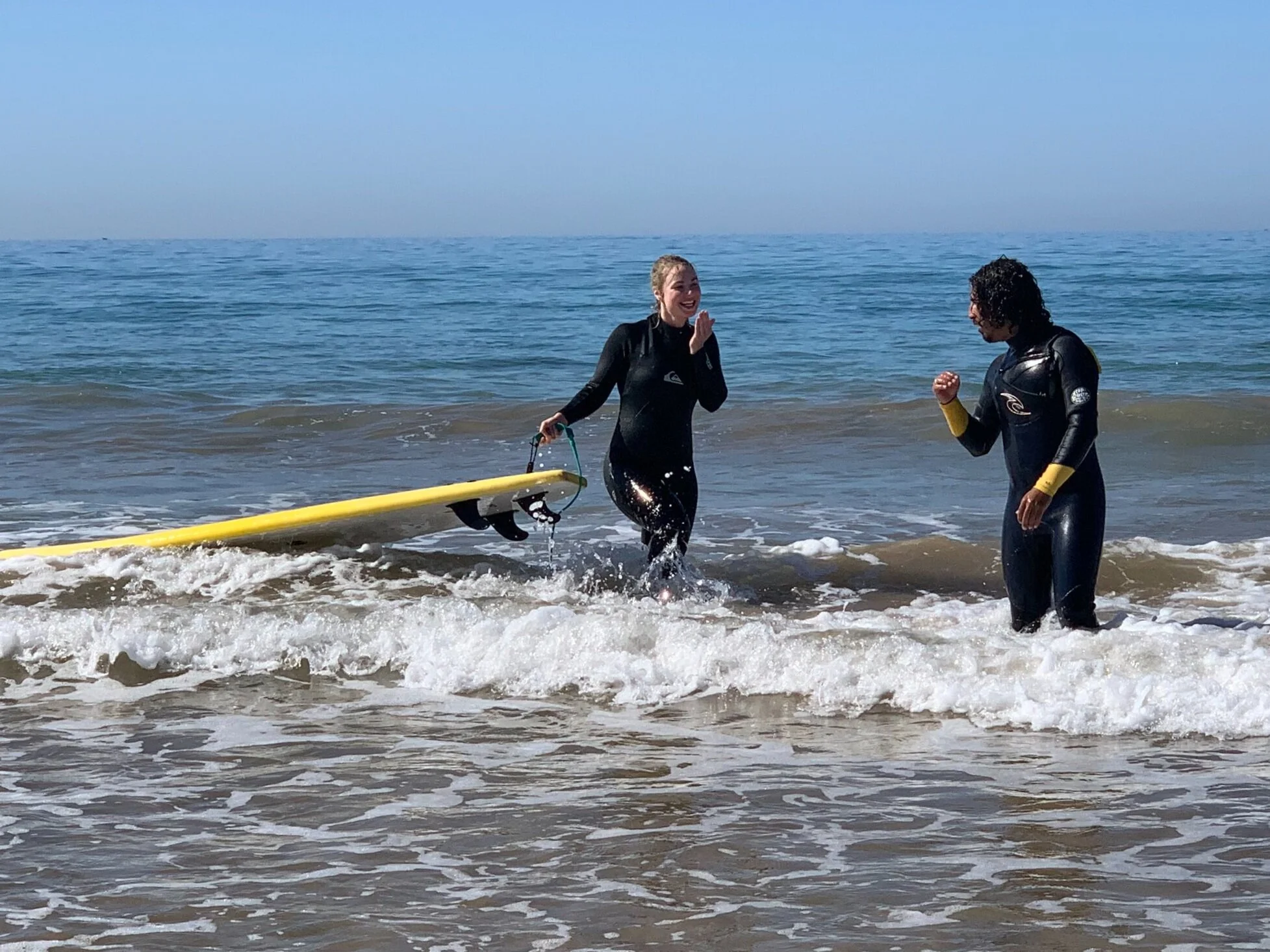
Falling off isn't a sign that you're doing something wrong.
It's part of surfing.
Whether you're catching your first whitewater wave or attempting a more advanced manoeuvre, every surfer falls off. Professional surfers fall off. Surf coaches fall off. In fact, if you're pushing yourself and trying new things, falling off is inevitable.
What matters isn't how often you fall—it's what you learn each time you paddle back out.
Every wave gives you feedback. You begin to understand:
Timing
Positioning
Balance
Board control
Body movement
Progress in surfing isn't measured by staying on your board all the time. It's measured by becoming a little better with every session.
The sooner you accept that falling off is simply part of the sport, the sooner you'll stop worrying about looking good and start focusing on learning. That's when real progress begins.
Myth 6: "You Need Big Waves to Learn"
When people picture surfing, they often imagine overhead waves, powerful barrels and dramatic rides.
It's easy to assume that's where the biggest improvements happen.
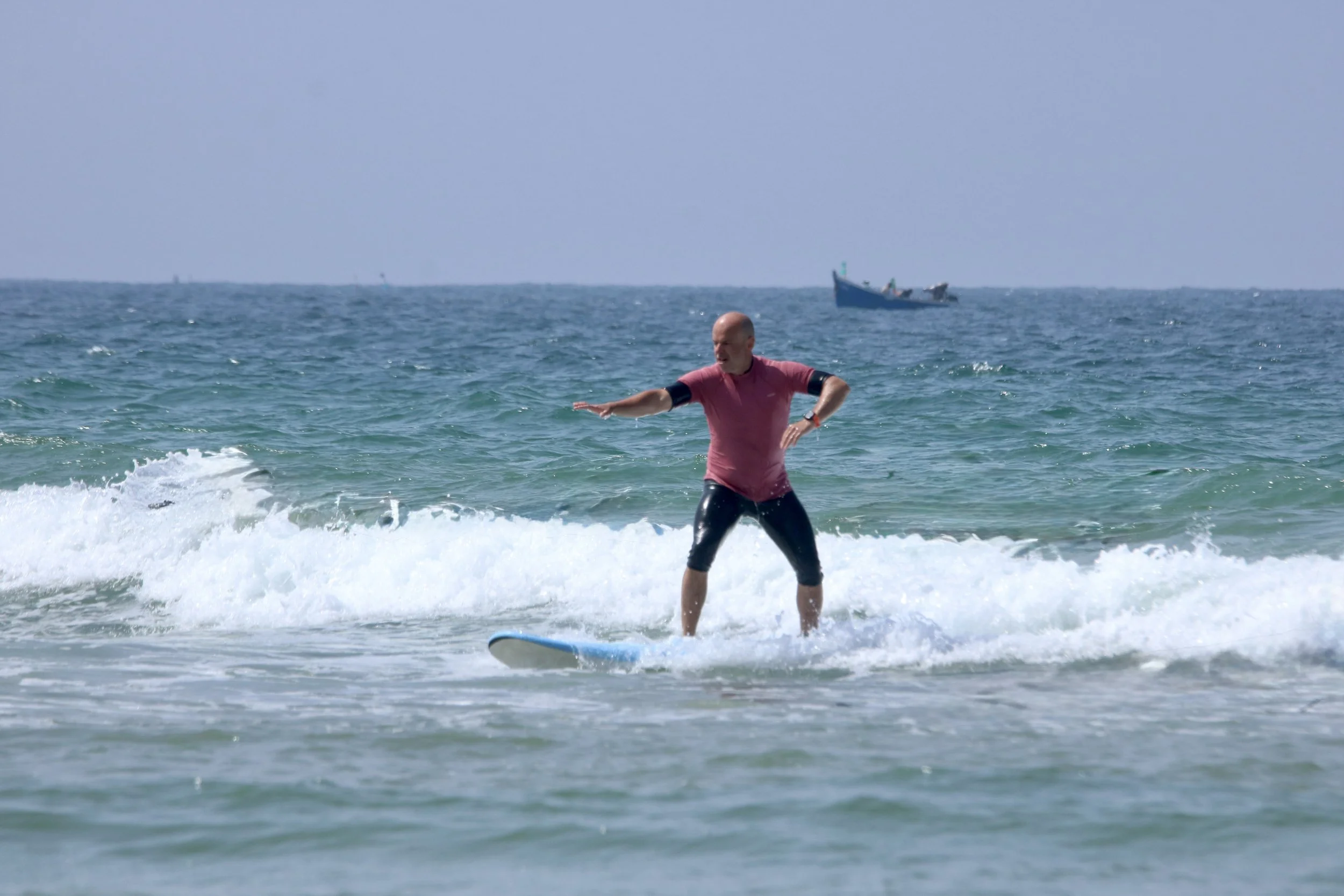
In reality, bigger waves don't automatically make you a better surfer. For beginners and improvers especially, smaller, more manageable conditions often provide the best environment to learn.
Why?
Because smaller waves give you more opportunities to practise. Instead of spending your energy trying to make it through challenging conditions, you can focus on building the skills that improve your surfing over the long term.
In smaller surf, you can:
Catch more waves
Refine your positioning and timing
Build confidence
Develop better technique
Create good habits without feeling overwhelmed
That's why we don't judge a surf session by wave size alone.
Every session offers something different. Smaller conditions are ideal for refining technique and building confidence, while larger conditions test your ability to apply those skills under more pressure.
Learning to surf—or becoming a better surfer—isn't about waiting for perfect waves. It's about learning how to make the most of the conditions in front of you.
With the right coaching, even a waist-high session can become one of the most valuable days of your surfing journey.
Myth 7: "You Need to Be Fearless"
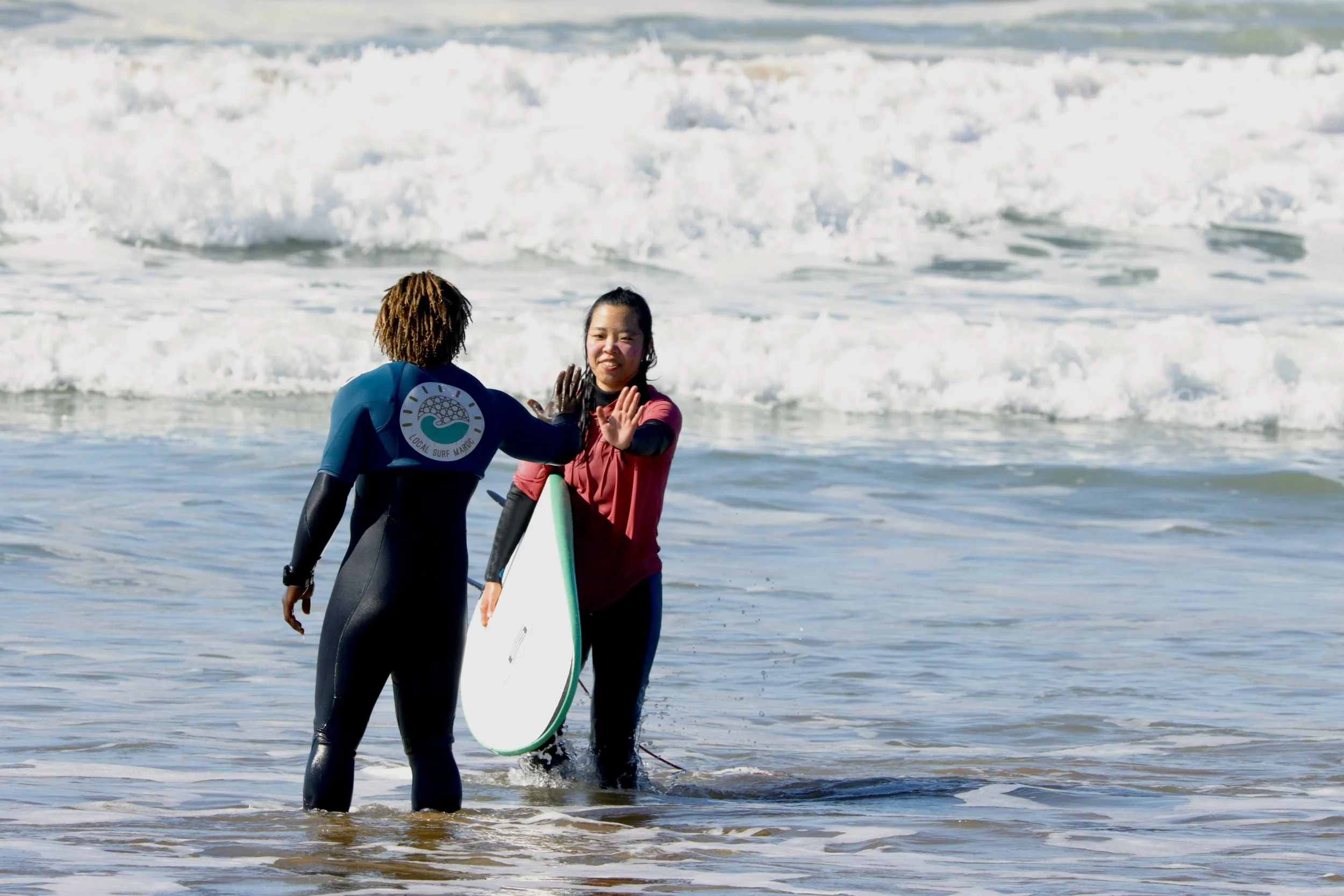
Many people think surfing is only for fearless people.
It isn't.
Almost every surfer remembers feeling nervous before paddling out for the first time. And those nerves don't disappear as you improve—they simply change. Your first whitewater wave becomes your first green wave. Your first green wave becomes your first reef break. Every new challenge comes with a little uncertainty.
That's part of progression.
The difference is that experienced surfers have learned how to manage those nerves through knowledge, experience and preparation.
Confidence isn't something you're born with, and it isn't something that appears overnight. It's built one wave, one session and one success at a time.
That's why good coaching is about far more than teaching technique. It's about helping you understand the ocean, make better decisions, and gradually expand your comfort zone without feeling overwhelmed.
At Local Surf Maroc, we don't expect you to arrive feeling confident.
We expect you to arrive ready to learn.
The confidence comes from everything that follows.
The Biggest Myth of All...
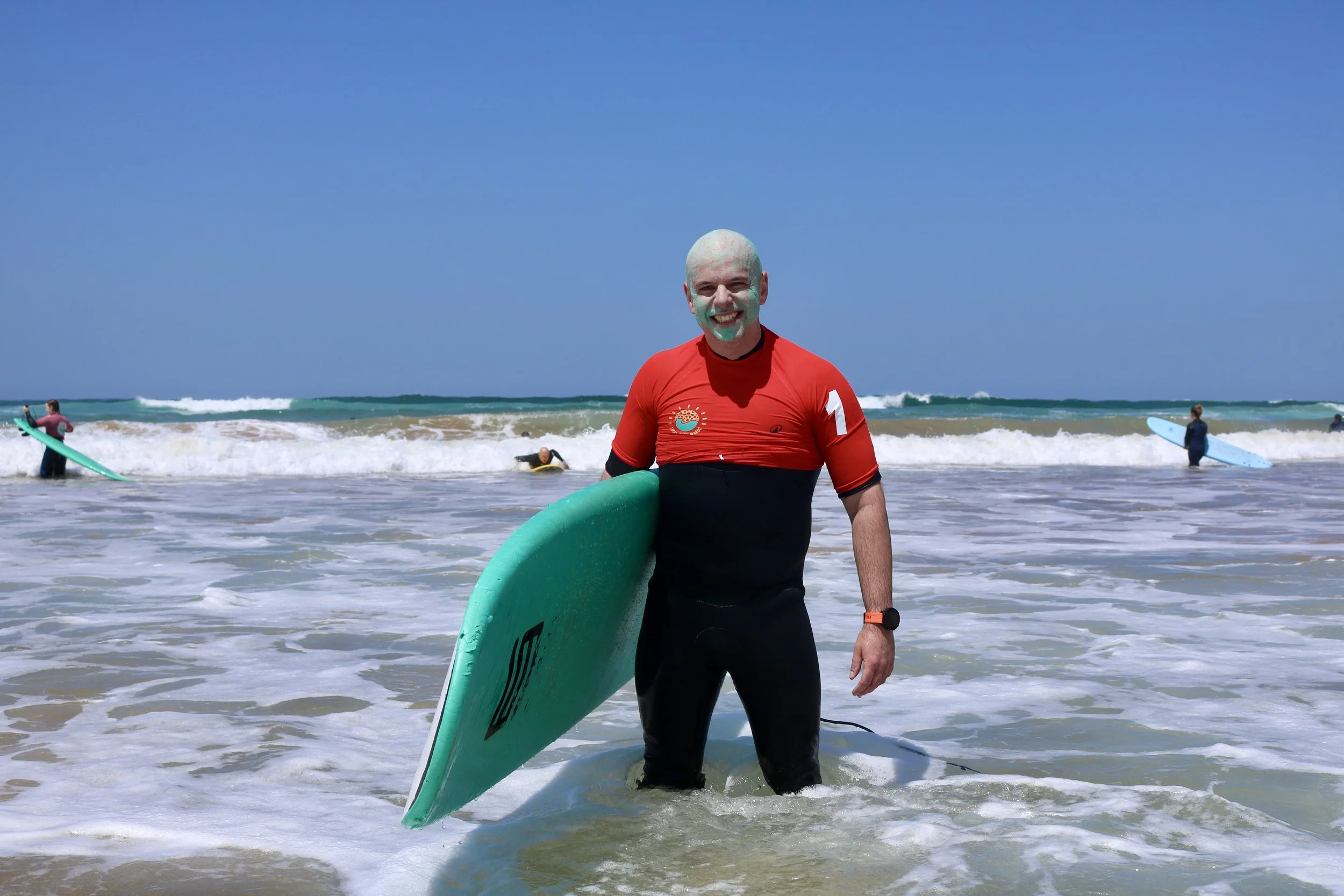
Perhaps the biggest myth is believing that surfing is only for a certain type of person.
The reality is that surfers come from every background, every profession and every stage of life.
Some are looking for a new challenge.
Some want to stay active.
Some have dreamed of surfing for years but finally decide it's time.
The only thing they all have in common?
They took the first step.
Ready to Start Your Surf Journey?
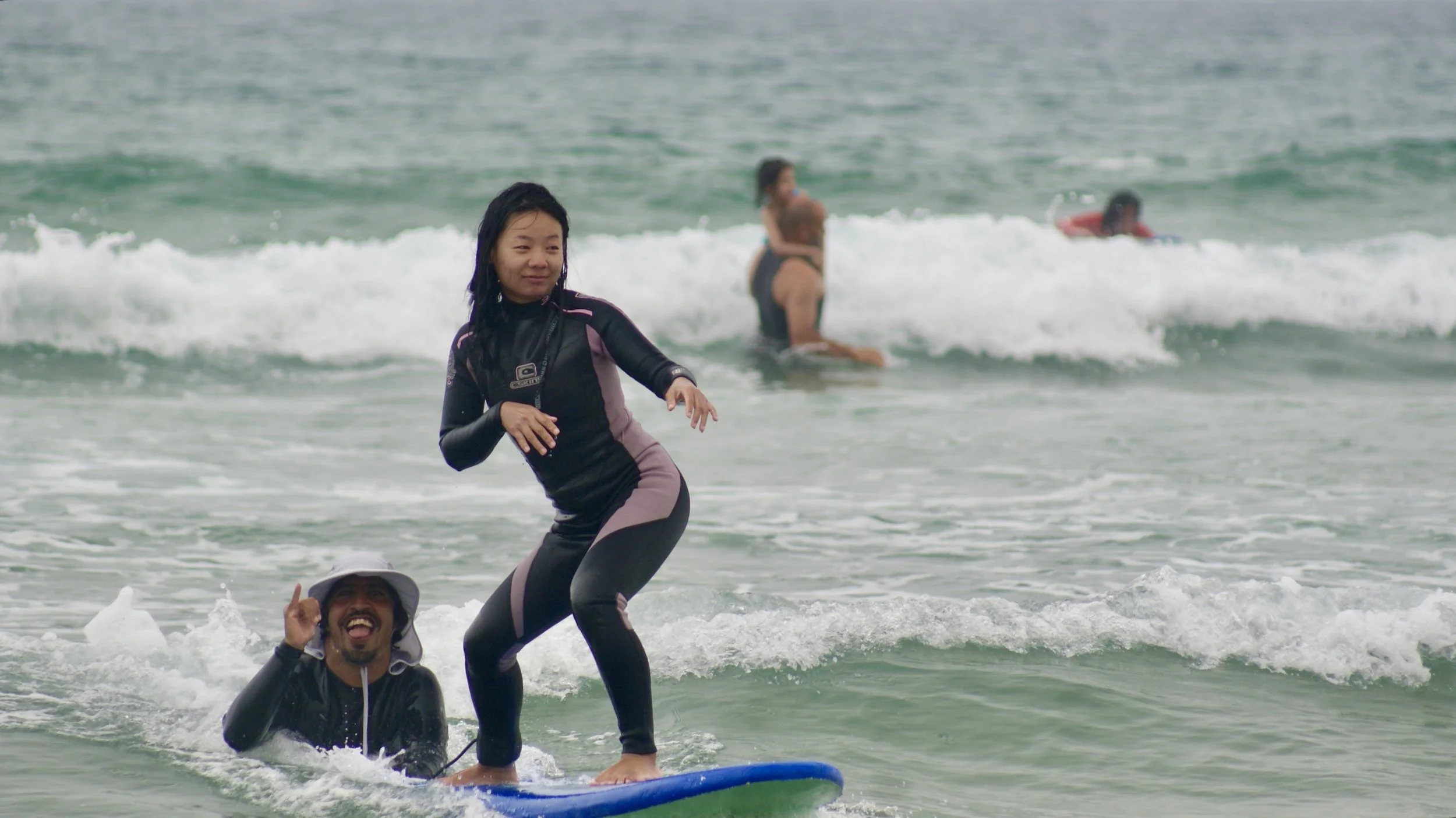
Whether you're catching your very first wave or looking to build confidence in the ocean, structured coaching can make the learning process more enjoyable, more rewarding and far less intimidating.
At Local Surf Maroc, we keep our coaching groups small, match surfers by ability, and support you throughout every session—from the first beach briefing to your final wave of the week.
Your first surf lesson doesn't have to be perfect.
It just has to be the beginning.
Frequently Asked Questions
-
No. People successfully learn to surf in their 30s, 40s, 50s and beyond. The key is receiving coaching that's appropriate for your ability and progressing at your own pace.
-
No. A reasonable level of general fitness helps, but beginner lessons are designed for complete beginners. Many people improve their fitness through surfing itself.
-
Yes. Summer typically brings smaller, more manageable waves, making it an excellent season for beginners to build confidence and practise the fundamentals.
-
That's completely normal. Most first-time surfers arrive feeling nervous. Learning in small groups with supportive coaches helps build confidence session by session.
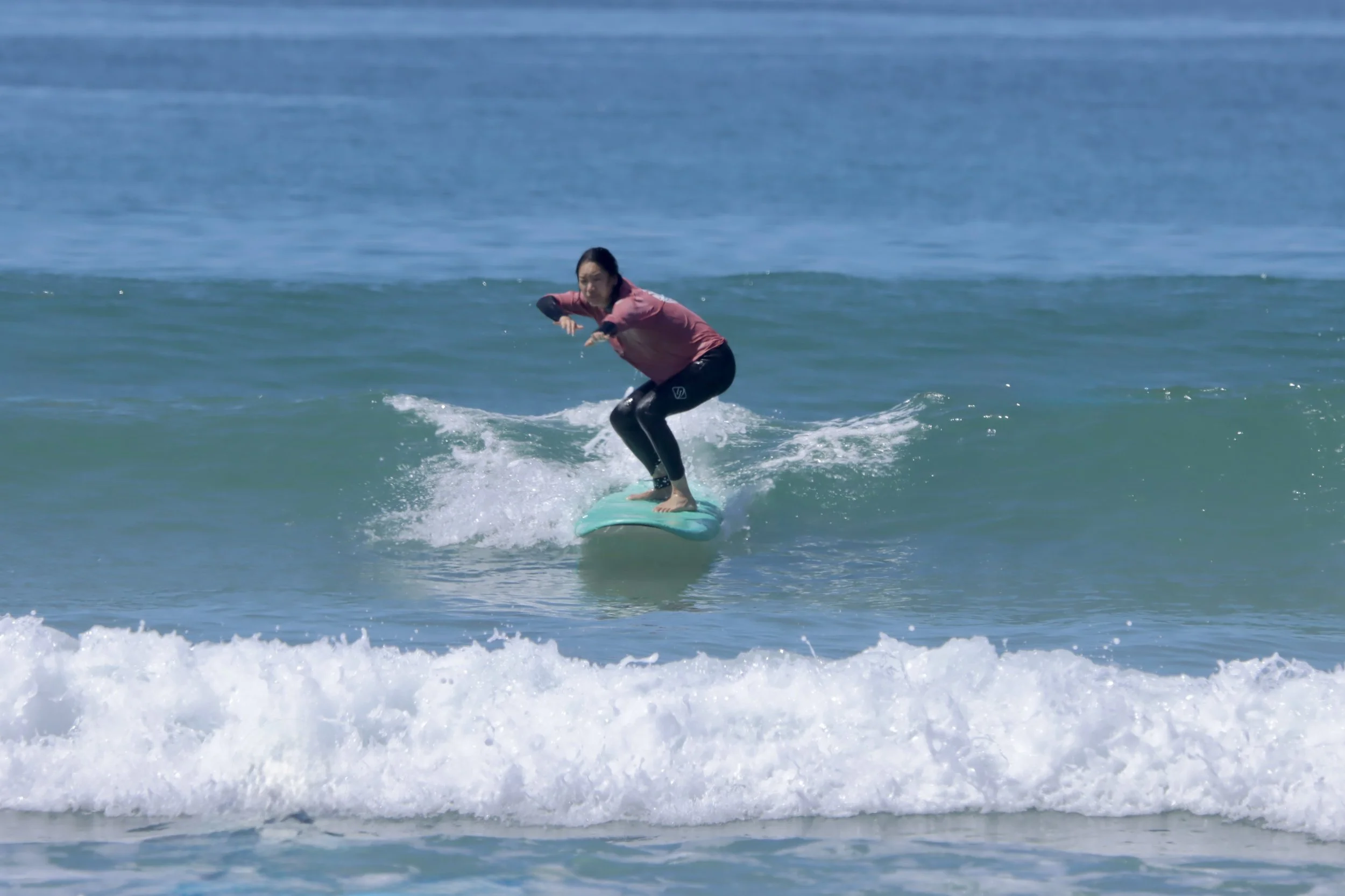
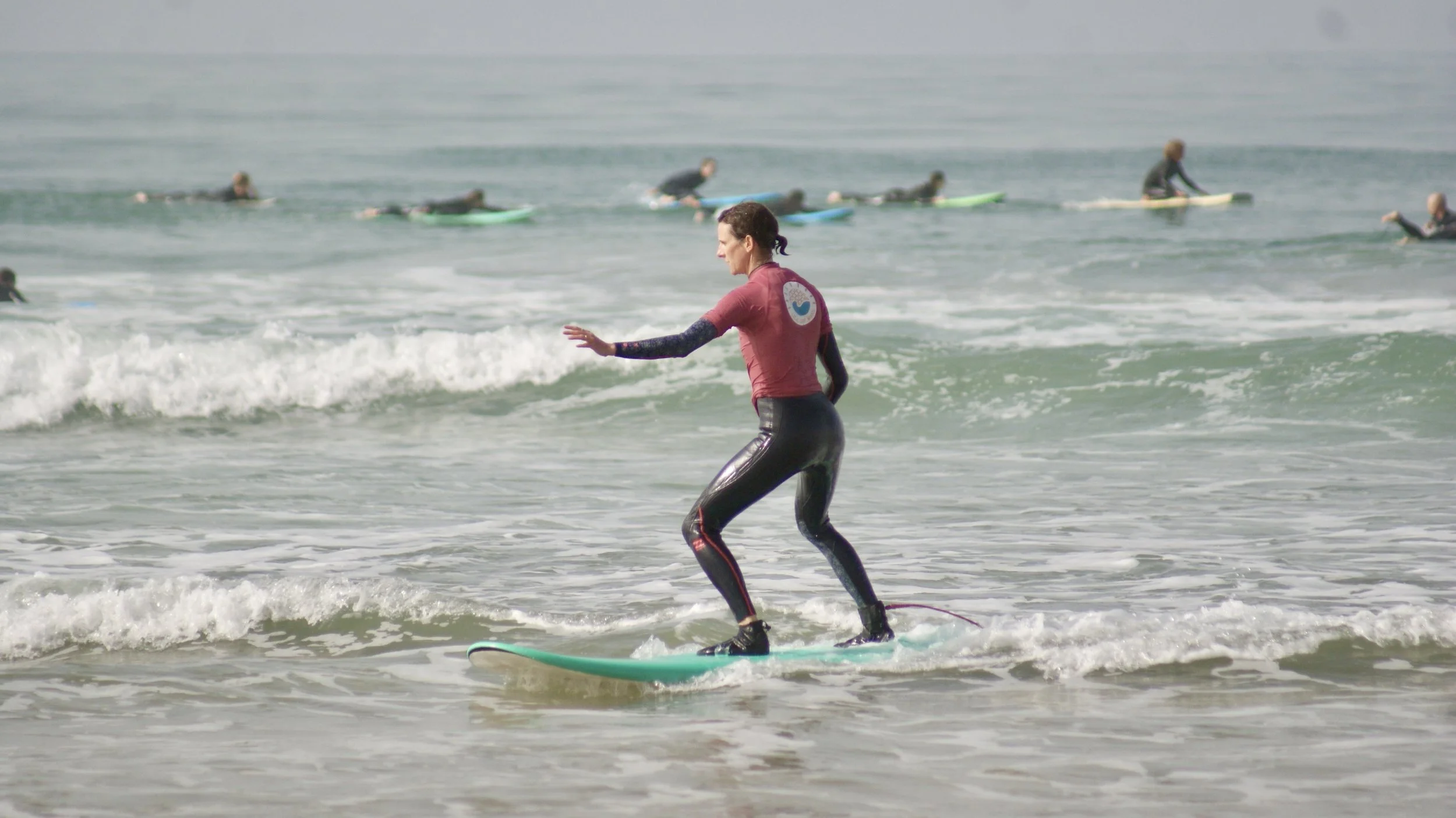
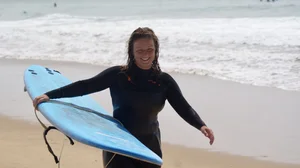
Think you're too old, unfit or nervous to learn to surf? Discover the truth behind seven common surfing myths and find out why it's never too late to start your surfing journey in Morocco.