
Choosing the Right Surf Camp in Morocco
How to Find a Surf Holiday That Matches Your Goals, Ability and Learning Style
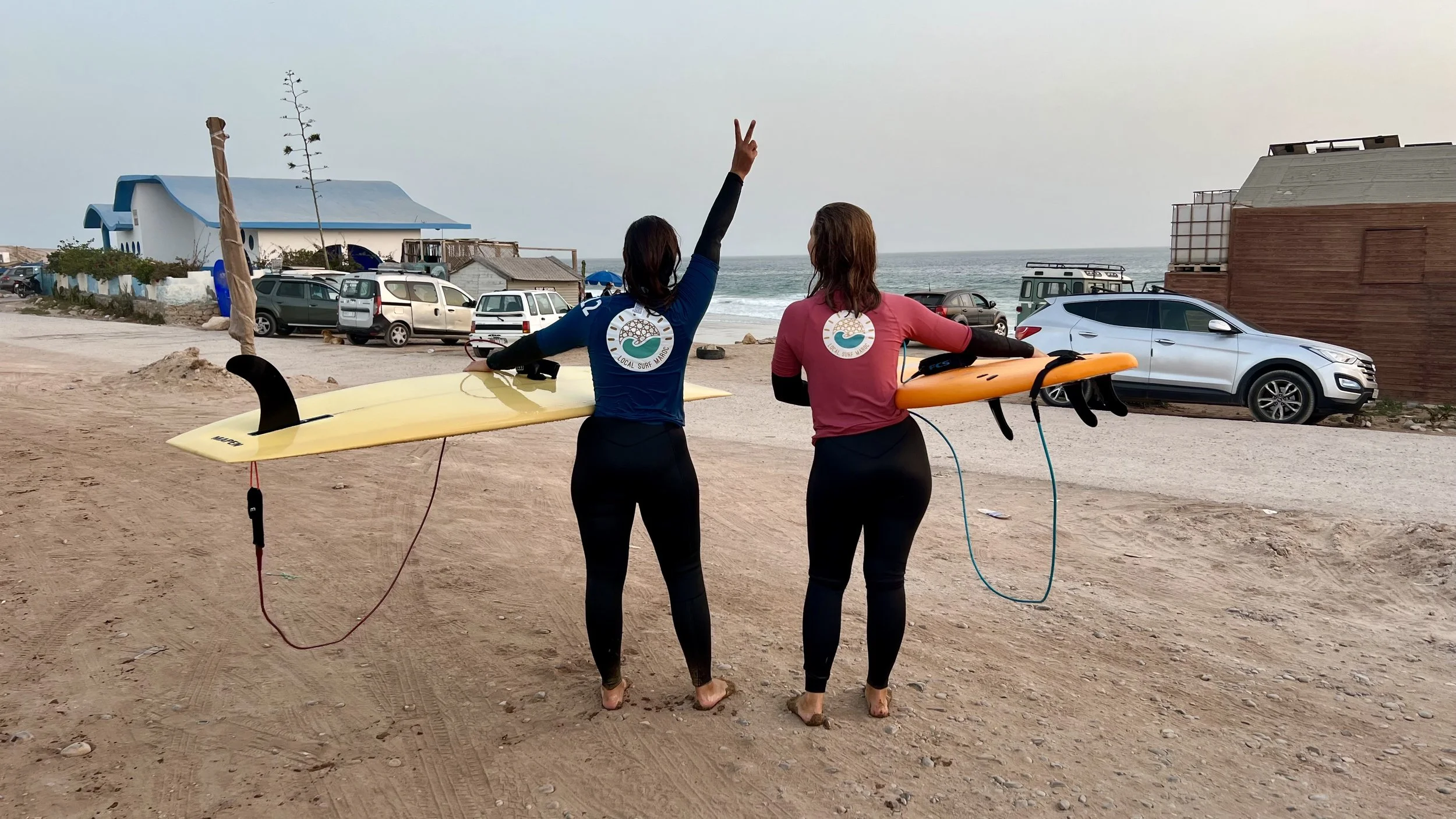
Morocco has become one of Europe's favourite surfing destinations. With year-round waves, a warm climate, incredible coastline and hundreds of surf camps to choose from, it's easy to see why.
But having so many options creates a different challenge:
How do you know which surf camp is right for you?
At first glance, many surf camps appear similar. They often include accommodation, meals, surf lessons, transport, equipment, and excursions.
The real differences lie beneath the surface.
If your goal is simply to spend time by the ocean, many camps will deliver a great holiday. But if your goal is to become a better surfer, choosing the right surf camp can make a significant difference to your experience and your progression.
Here are the questions we believe every surfer should ask before booking.
1. What Are You Hoping to Get Out of Your Trip?
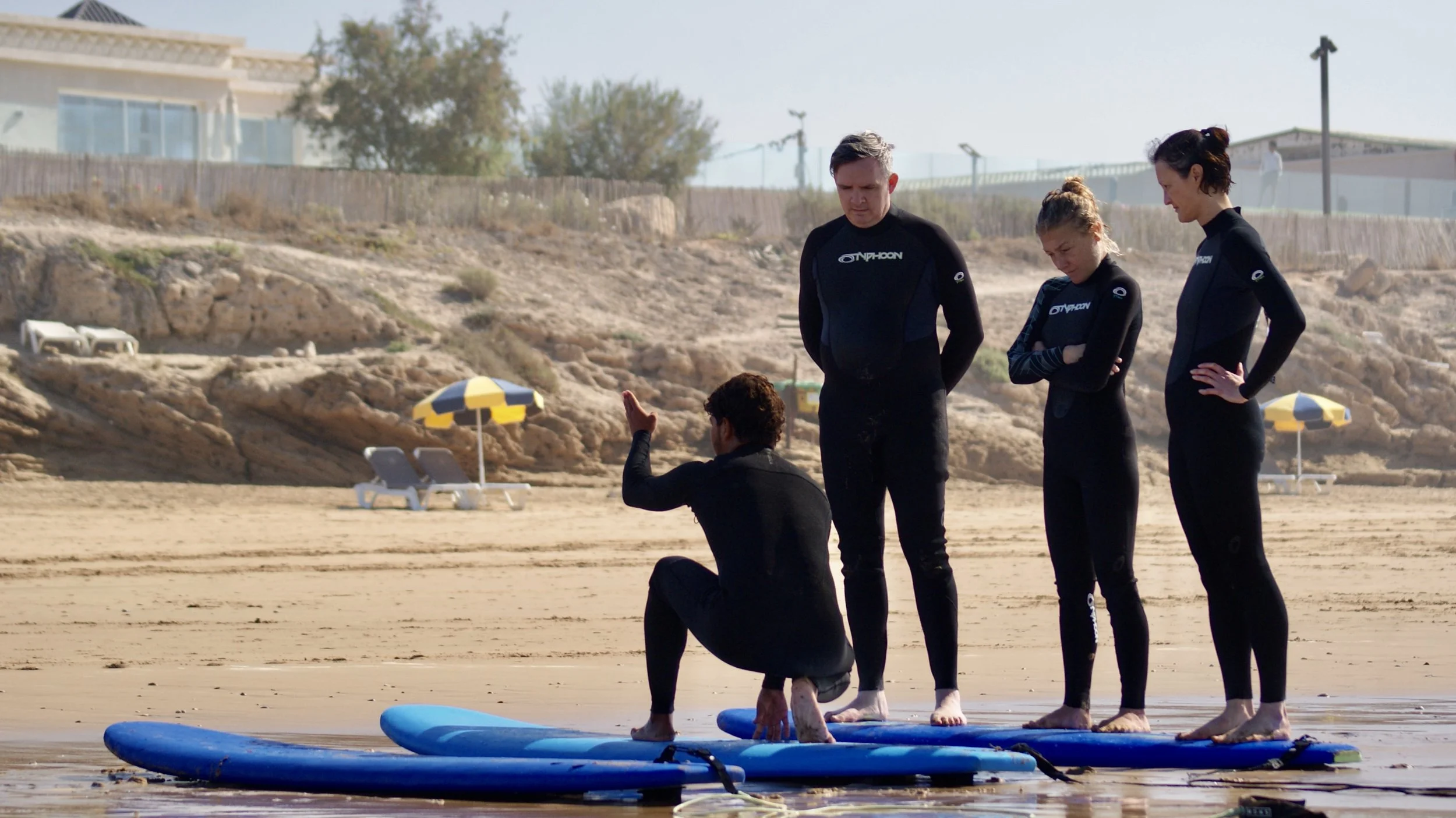
Not everyone books a surf camp for the same reason.
Some people want:
their first surfing experience
a fun holiday with friends
to escape winter
to improve their surfing
to prepare for future surf trips
to build confidence in the ocean
None of these goals are better than the others.
The important thing is choosing a surf camp that specialises in helping you achieve your objective.
If your main goal is progression, look beyond accommodation and ask how the coaching programme is structured.
2. Does the Camp Match Surfers by Ability?
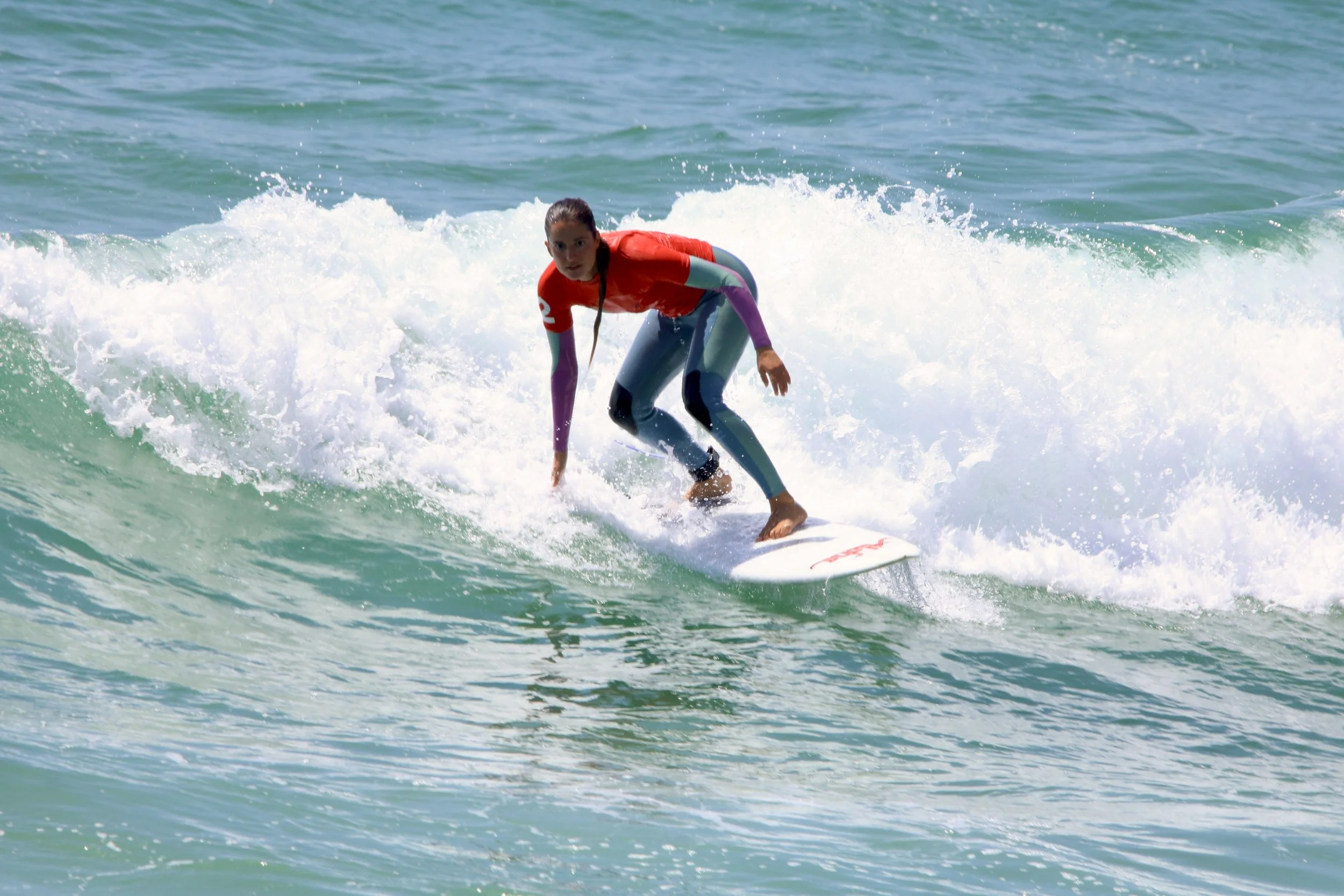
This is one of the biggest factors influencing how much you'll improve.
Putting beginners, improvers and intermediate surfers into the same lesson often means nobody receives the coaching they need. Each level has different priorities—from ocean safety and pop-up technique to green wave consistency, wave selection, turning and reading changing conditions.
Before booking, ask how the camp handles different abilities:
Are surfers grouped by level?
Is there dedicated coaching for intermediates?
What happens if guests of different levels book the same week?
Is there technical coaching, or does it become surf guiding?
The best coaching happens when everyone in the group is working on similar challenges—not trying to fit into a one-size-fits-all lesson.
3. What Is the Coaching Ratio?
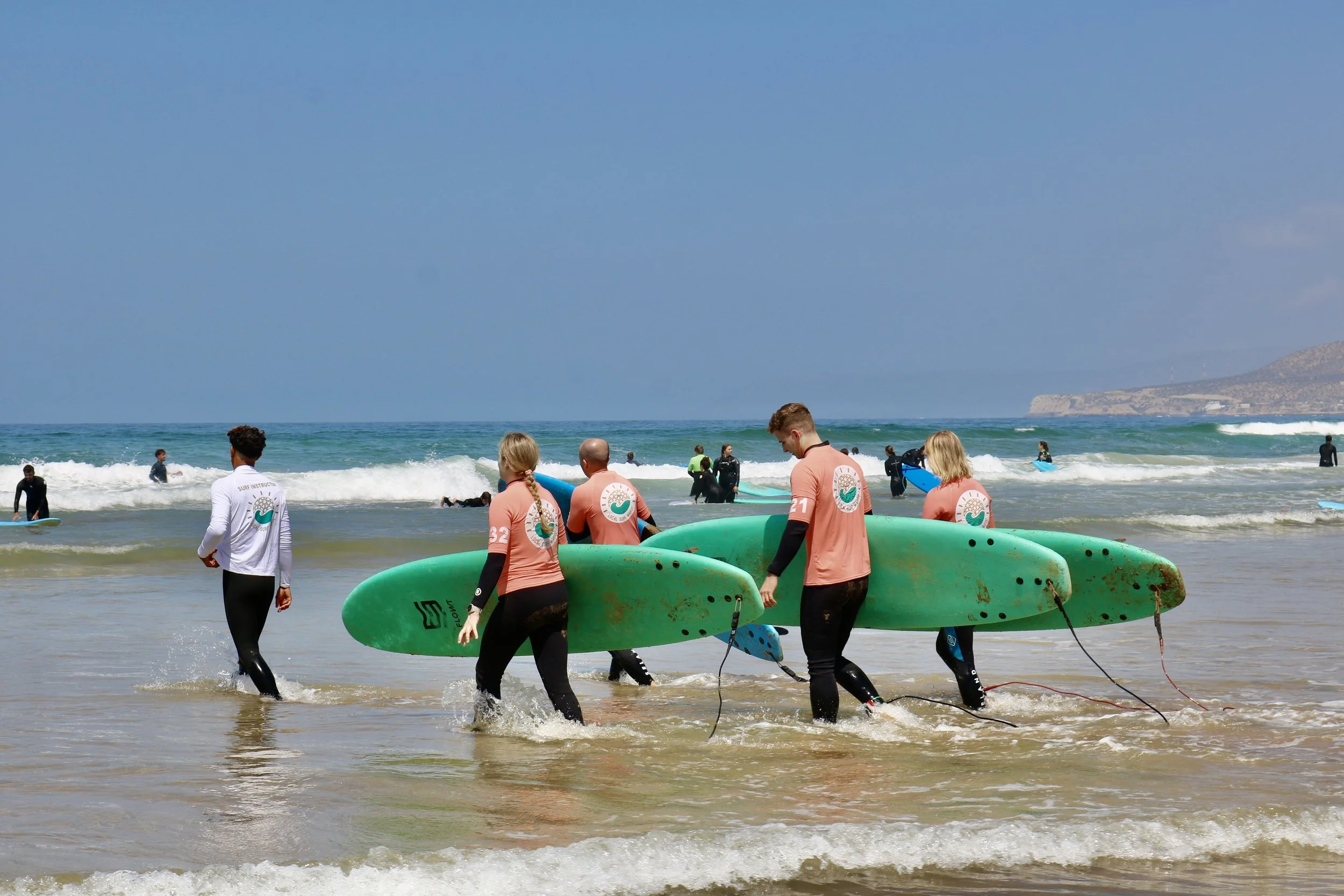
Large groups can be enjoyable socially.
But they're rarely ideal for learning.
Ask questions like:
How many surfers are there per instructor?
Will I receive individual feedback?
How much time will the coach spend with me?
More individual attention usually means:
quicker corrections
better understanding
faster progression
improved safety
4. Is It a Surf Camp or a Surf Coaching Programme?
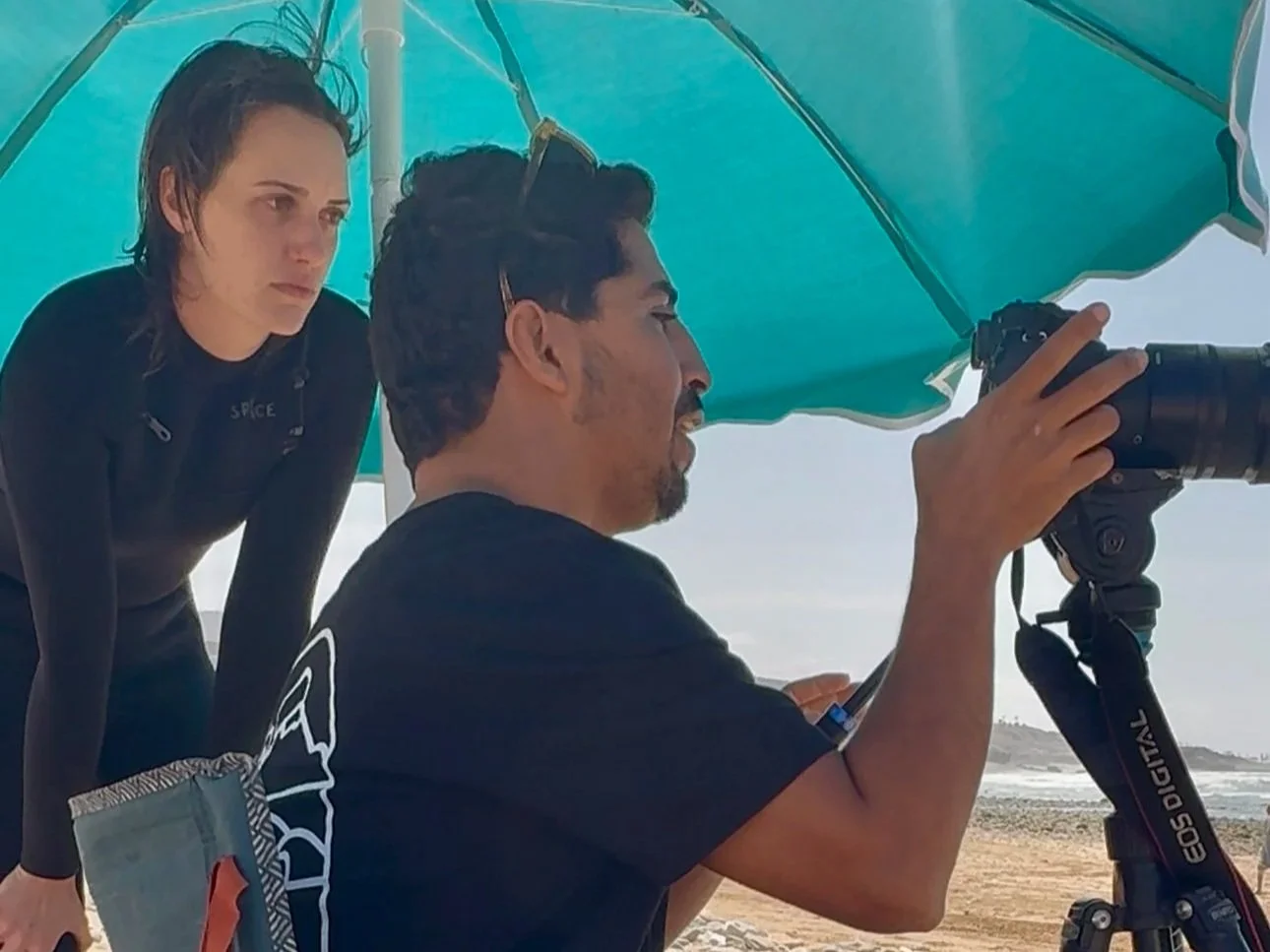
Advanced Intermediate surfer reviewing her surf footage with Rachid at Banana Point, Aourir, Morocco.
These aren't always the same thing.
Some surf camps focus primarily on accommodation, social experiences and introducing guests to surfing.
Others are built around coaching and measurable progression.
If improving your surfing is important, look for programmes that include:
structured coaching sessions
theory lessons
clear learning objectives
video analysis
individual feedback
progression planning
These elements help transform simply catching waves into genuine skill development.
5. How Are Surf Spots Chosen?
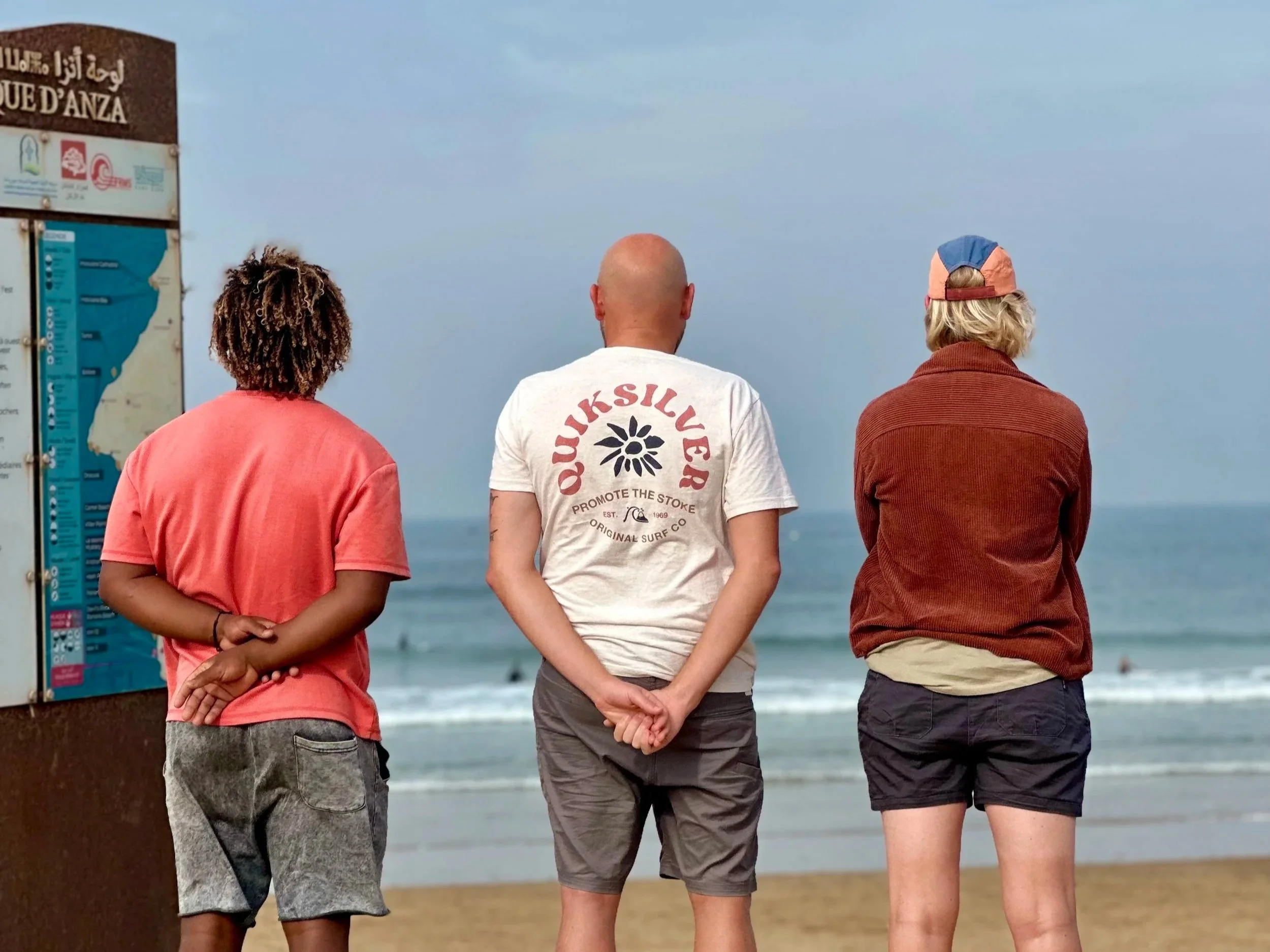
One of Morocco's greatest strengths is the variety of waves available.
Different breaks suit different:
abilities
swell sizes
tides
wind directions
A good surf camp doesn't take every guest to the same beach every day.
Instead, locations should be chosen according to the conditions and the level of the surfers.
The goal isn't finding the biggest waves.
It's finding the right waves.
6. What Happens Outside the Water?
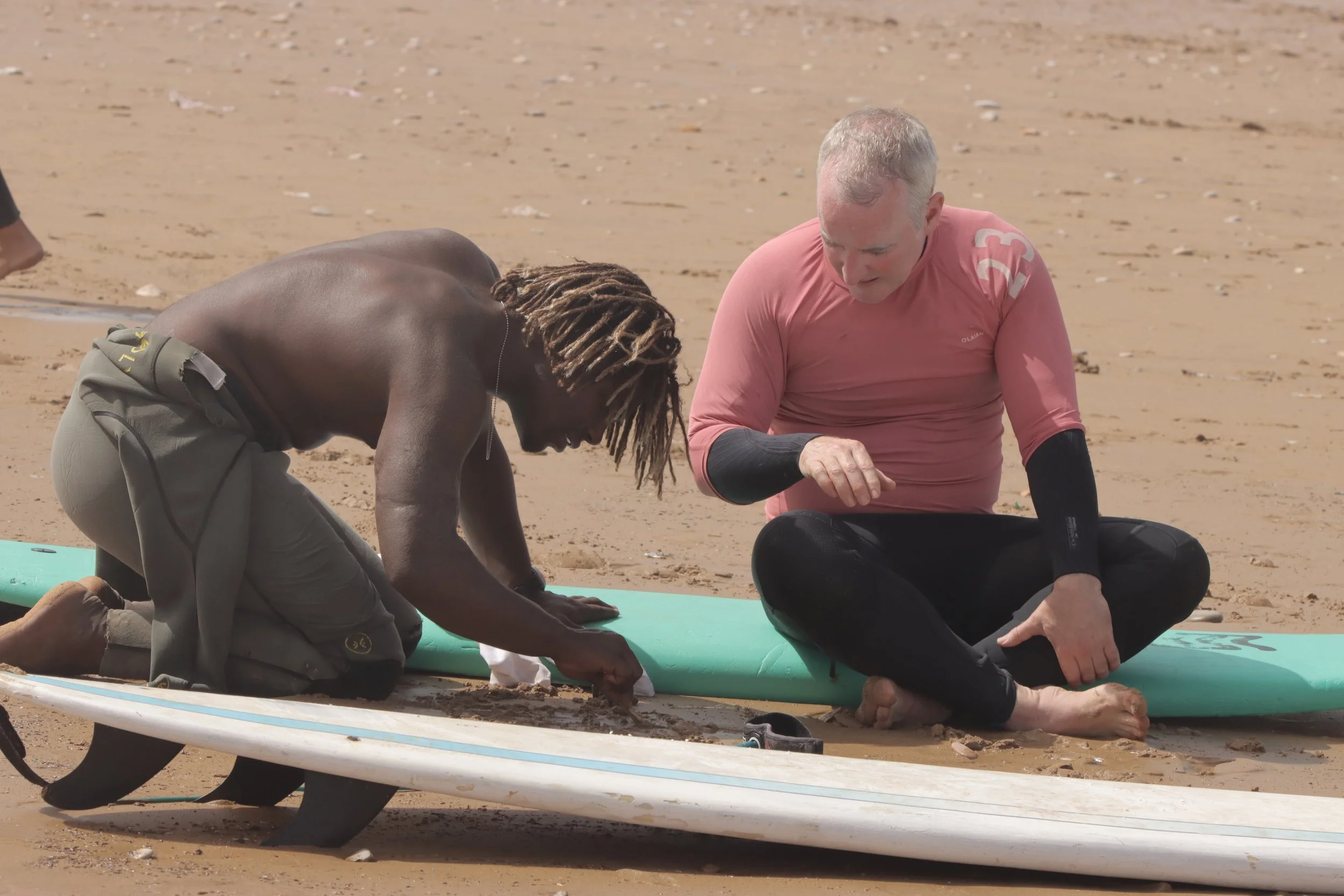
Most surfing improvements don't happen only while you're riding waves.
Learning also happens when coaches explain:
why a wave worked
why another didn't
positioning mistakes
paddling technique
reading the ocean
equipment choices
Surf theory, video review and post-session discussions often accelerate progression because they help surfers understand why something happened, not just what happened.
7. Who Are the Coaches?
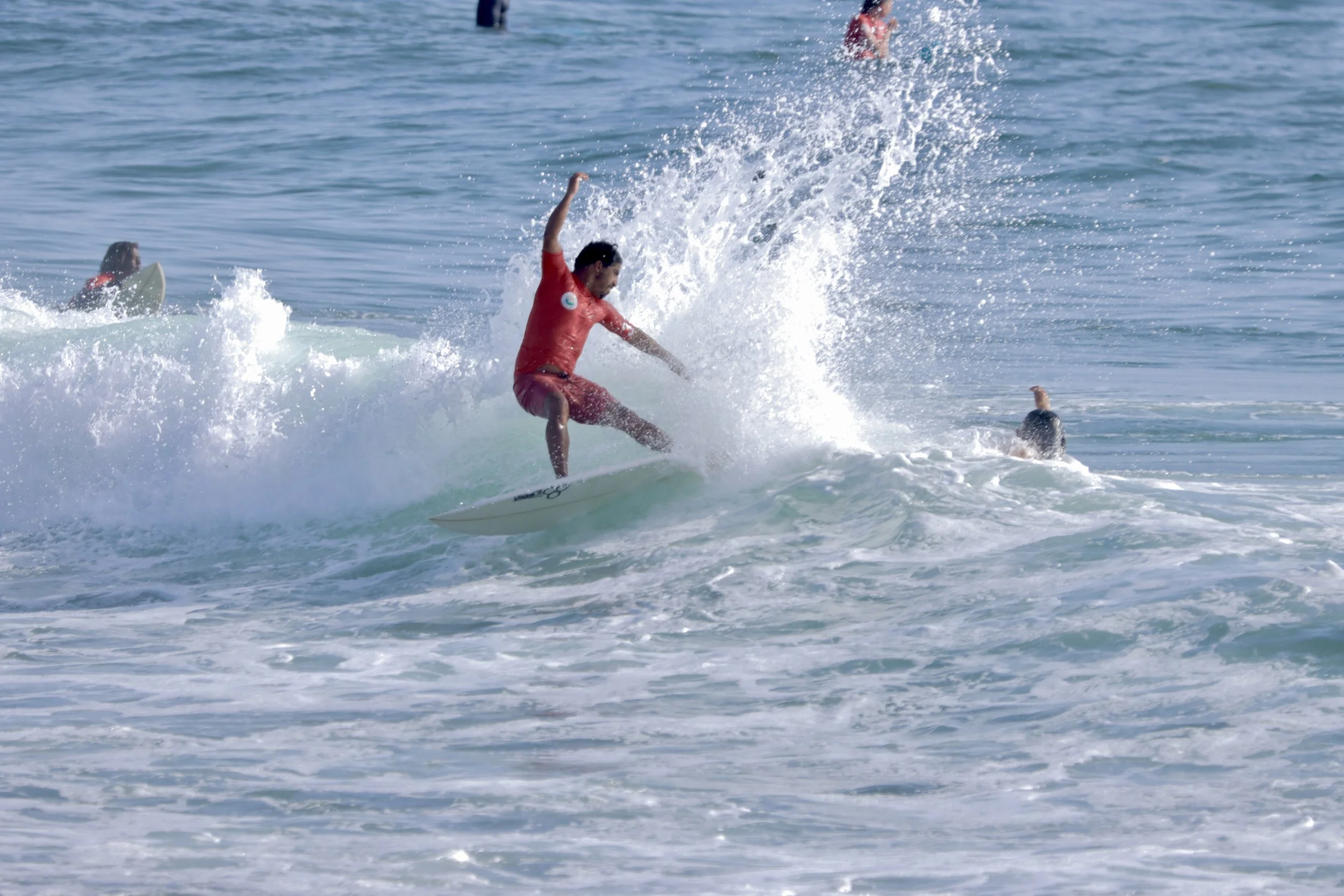
Experience matters.
But so does communication.
A great surfer doesn't automatically become a great coach.
Look for instructors who:
communicate clearly
adapt to different learning styles
continue developing their own surfing
enjoy teaching
create a supportive environment
At Local Surf Maroc, we believe coaches should continue improving their own surfing throughout their careers. Continuing to surf helps them stay connected to the techniques, challenges and progression they're helping guests achieve.
8. What Kind of Atmosphere Are You Looking For?
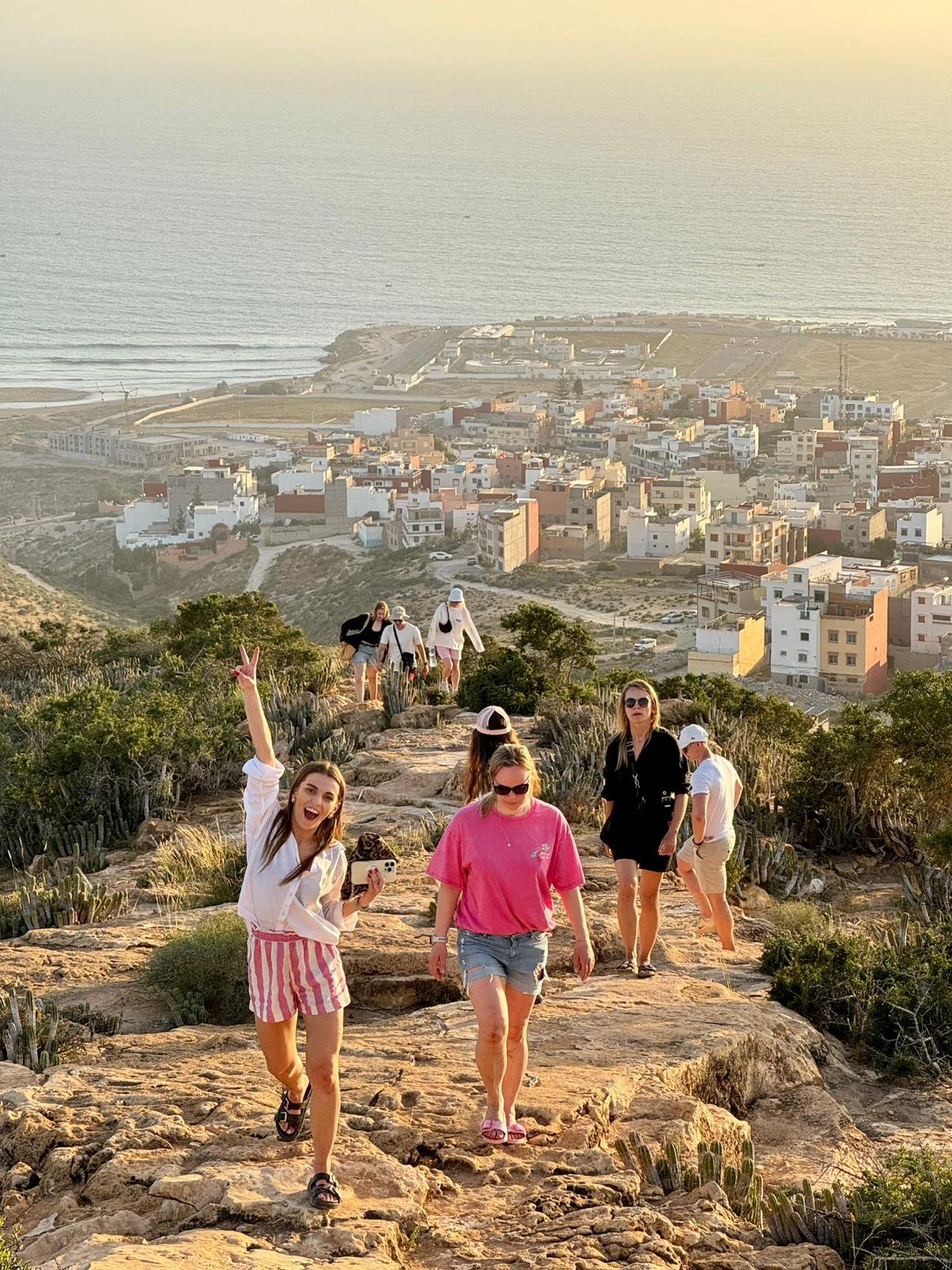
Every surf camp has its own personality. Some prioritise social events and nightlife, while others are built around structured coaching and progression. Many fall somewhere in between.
Neither approach is better than the other. The important thing is choosing a surf camp that aligns with your priorities—whether that's making new friends, relaxing by the ocean, or returning home as a more confident surfer.
Why We Built Local Surf Maroc Differently
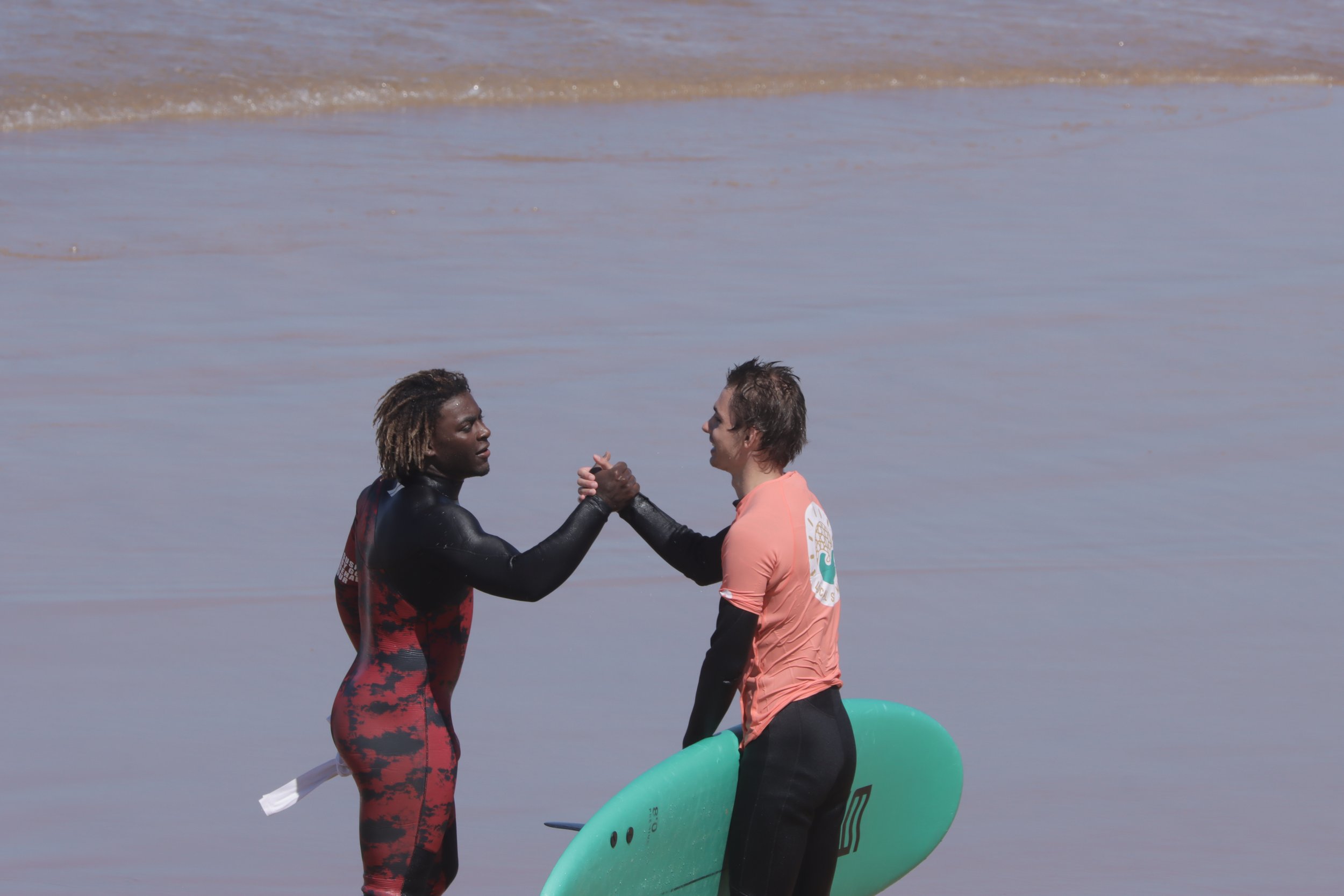
When Rachid founded Local Surf Maroc, his goal wasn't simply to create another surf camp. He wanted to create a place where surfers could genuinely improve, regardless of whether they were catching their first whitewater waves or refining their technique on green waves.
That philosophy shapes every part of our coaching. We group surfers by ability wherever possible, keep coaching groups small, and choose surf spots based on the conditions and the needs of each group—not convenience.
Every session is supported by surf theory, video analysis and individual feedback, helping guests understand not just what to improve, but how to keep progressing long after they leave Morocco.
At the end of the week, our goal is simple: for every guest to return home a more confident, capable and independent surfer than when they arrived.
Choosing the Right Surf Camp Starts With Choosing the Right Fit
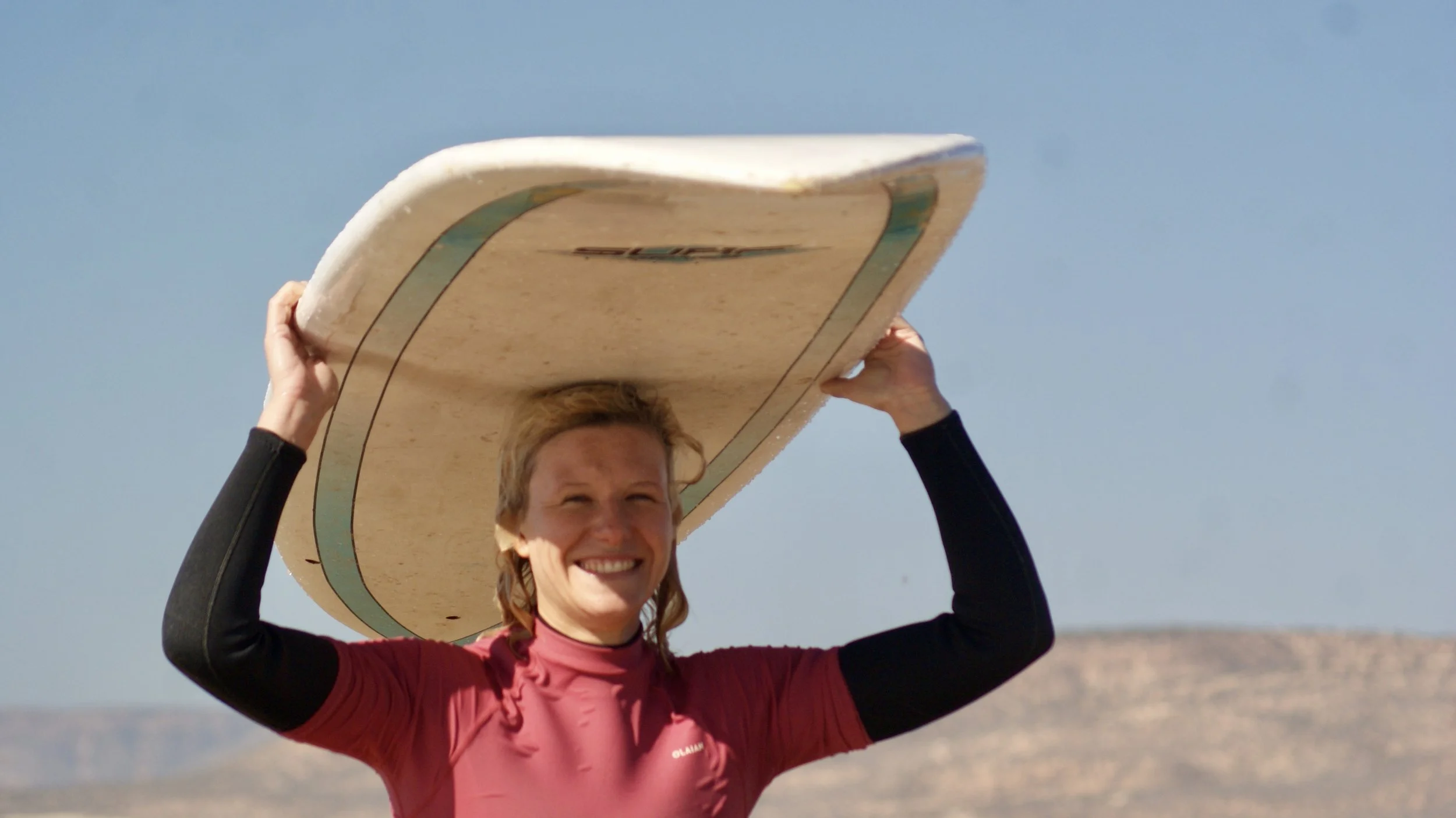
The best surf camp isn't necessarily the biggest, the cheapest or the one with the most followers on Instagram. It's the one that matches your goals, your experience and the type of surfer you want to become.
Before booking, take the time to ask questions, compare coaching approaches and look beyond what's included in the package. The way a surf camp structures its coaching, groups its surfers and supports progression can have a much bigger impact on your experience than the accommodation alone.
Choose the right environment, and you'll leave with more than great memories—you'll leave as a more confident, capable surfer.
Frequently asked questions
-
Start by identifying your goal. If you're looking to improve your surfing, choose a camp that offers structured coaching, small groups, ability-based lessons and personalised feedback rather than simply accommodation and surf guiding.
-
Yes. Morocco offers a wide variety of beginner-friendly beaches, particularly around Taghazout Bay. The key is choosing the right surf spot for the day's conditions and learning with experienced coaches.
-
A surf camp usually includes accommodation, meals and surf sessions. A surf coaching programme places greater emphasis on structured learning through theory, feedback, video analysis and progression planning.
-
A week gives most beginners enough time to build confidence, learn the fundamentals and establish good habits. Returning surfers often benefit from longer stays or multiple coaching trips as they continue progressing.
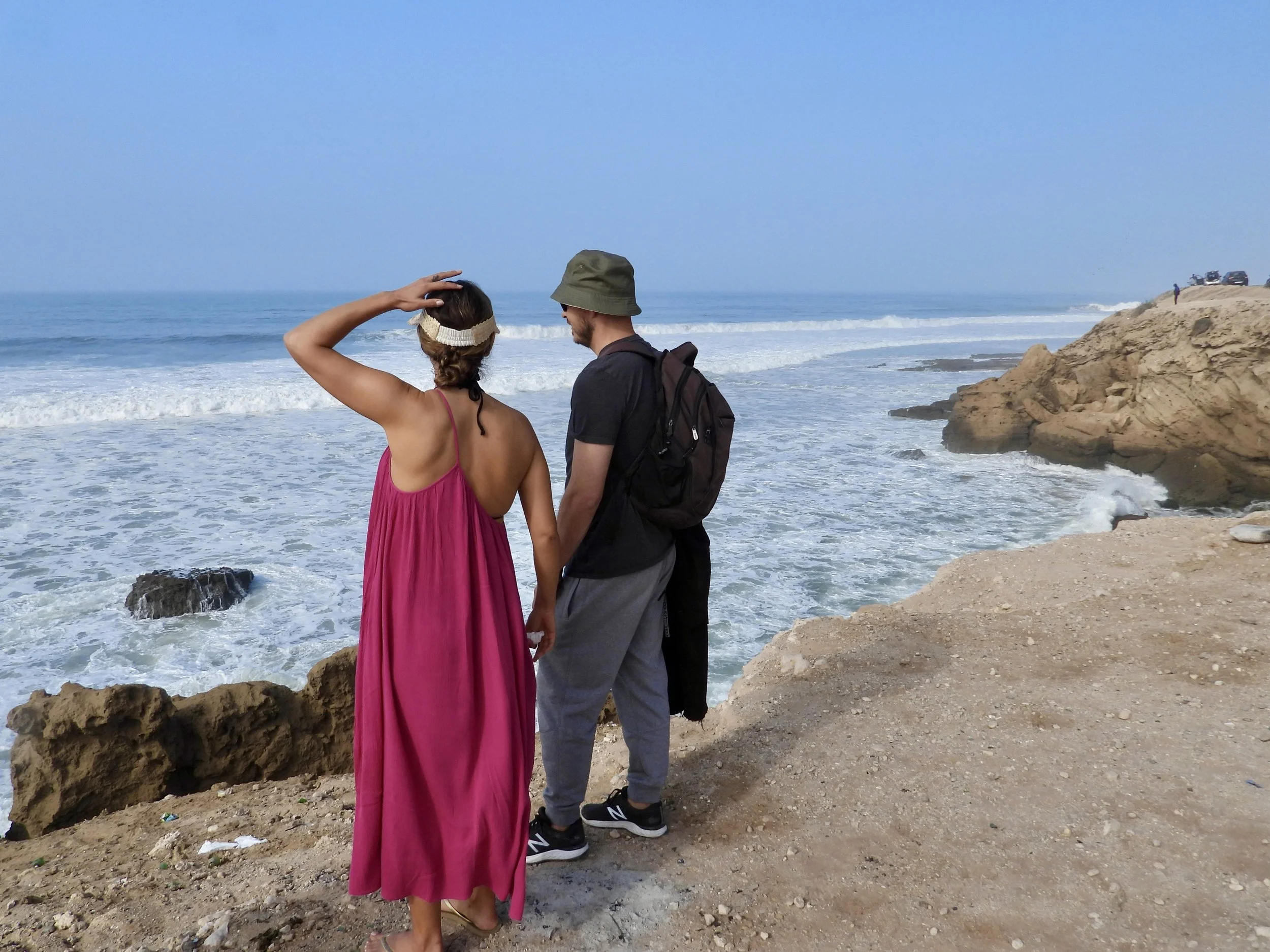
One of the biggest milestones in surfing is moving from whitewater to green waves.
It's also one of the stages where many surfers become frustrated.
Some people attempt it too early, leading to missed waves, wipeouts and damaged confidence. Others stay in the whitewater far longer than necessary because they're unsure whether they're ready.
So how do you know when it's time?