
How Do I Know If I'm Ready to Progress to Green Waves?
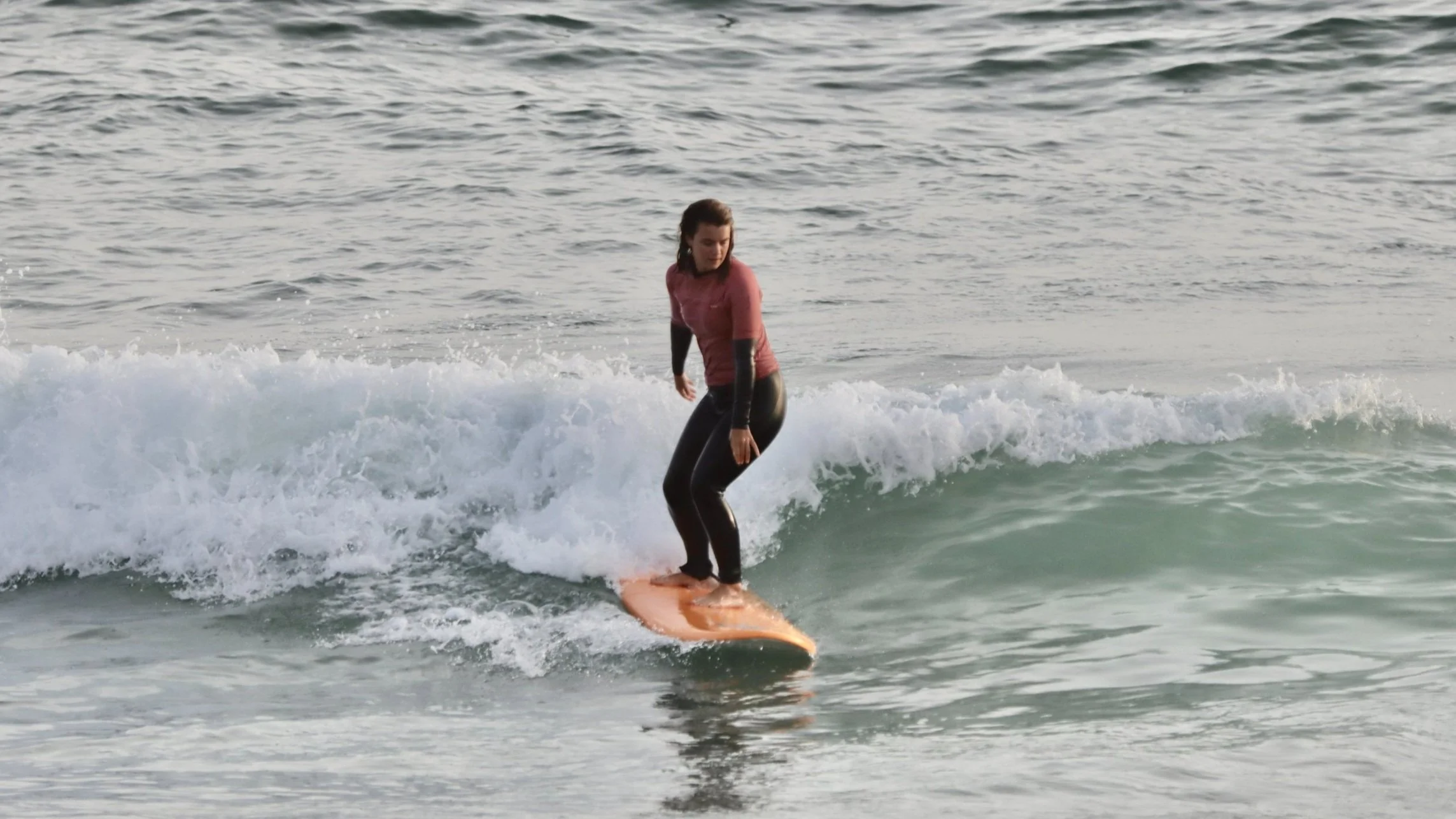
One of the biggest milestones in surfing is moving from whitewater to green waves.
It's also one of the stages where many surfers become frustrated.
Some people attempt it too early, leading to missed waves, wipeouts and damaged confidence. Others stay in the whitewater far longer than necessary because they're unsure whether they're ready.
So how do you know when it's time?
The answer isn't simply whether you've stood up a few times.
It's whether you've developed the skills that make surfing green waves both enjoyable and safe.
In this guide, we'll explain what green waves are, the signs you're ready to progress, common mistakes surfers make, and how a structured coaching programme can make the transition much smoother.
What Is a Green Wave?
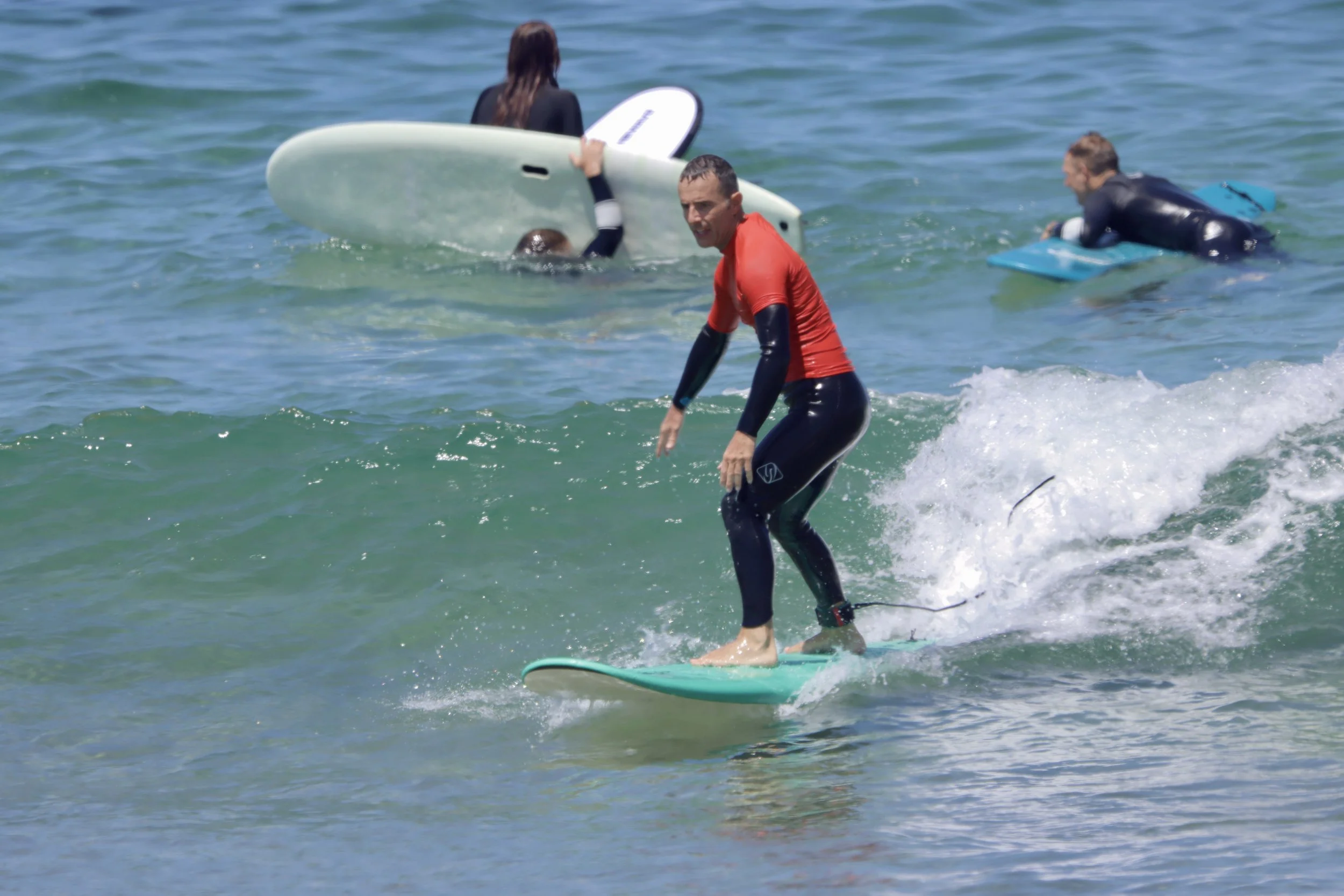
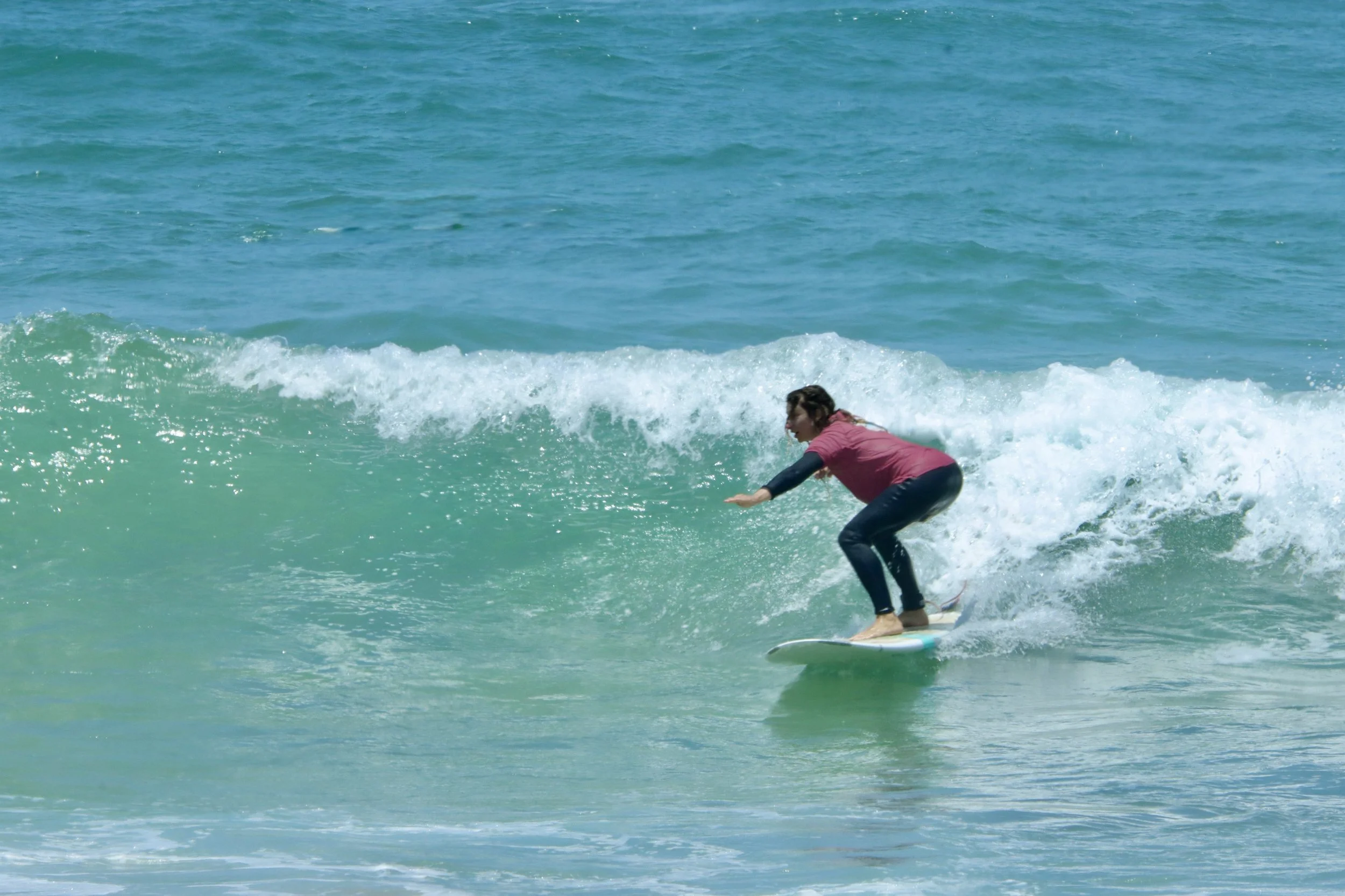
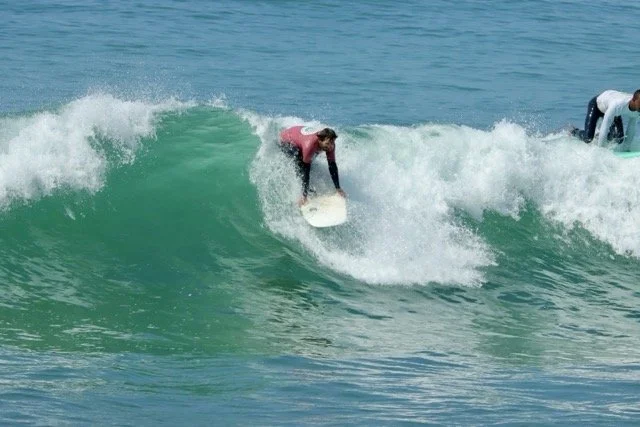
A green wave is an unbroken wave.
Unlike whitewater—which has already broken—a green wave is still forming as it approaches the shore.
A common misconception is that "green waves" are big or advanced waves.
They're not.
A green wave can be anything from a gentle 0.5 metre ripple to a powerful 3 metre wave. The term simply describes a wave that hasn't broken yet—not its size or difficulty.
Instead of being pushed by broken foam, you'll need to:
Read the approaching wave.
Paddle at the right speed.
Position yourself correctly.
Pop up at the right moment.
Ride the wave before it breaks.
Learning these skills is what transforms someone from riding whitewater into a surfer who can confidently begin surfing the open face of a wave.
This transition is the focus of our Improver & Intermediate Surf Coaching programmes at Local Surf Maroc. Through structured coaching, video analysis and carefully selected surf spots, we help surfers develop the confidence, technique and ocean awareness needed to catch and ride green waves consistently—not just occasionally.
Why Progressing Too Early Can Slow Your Development
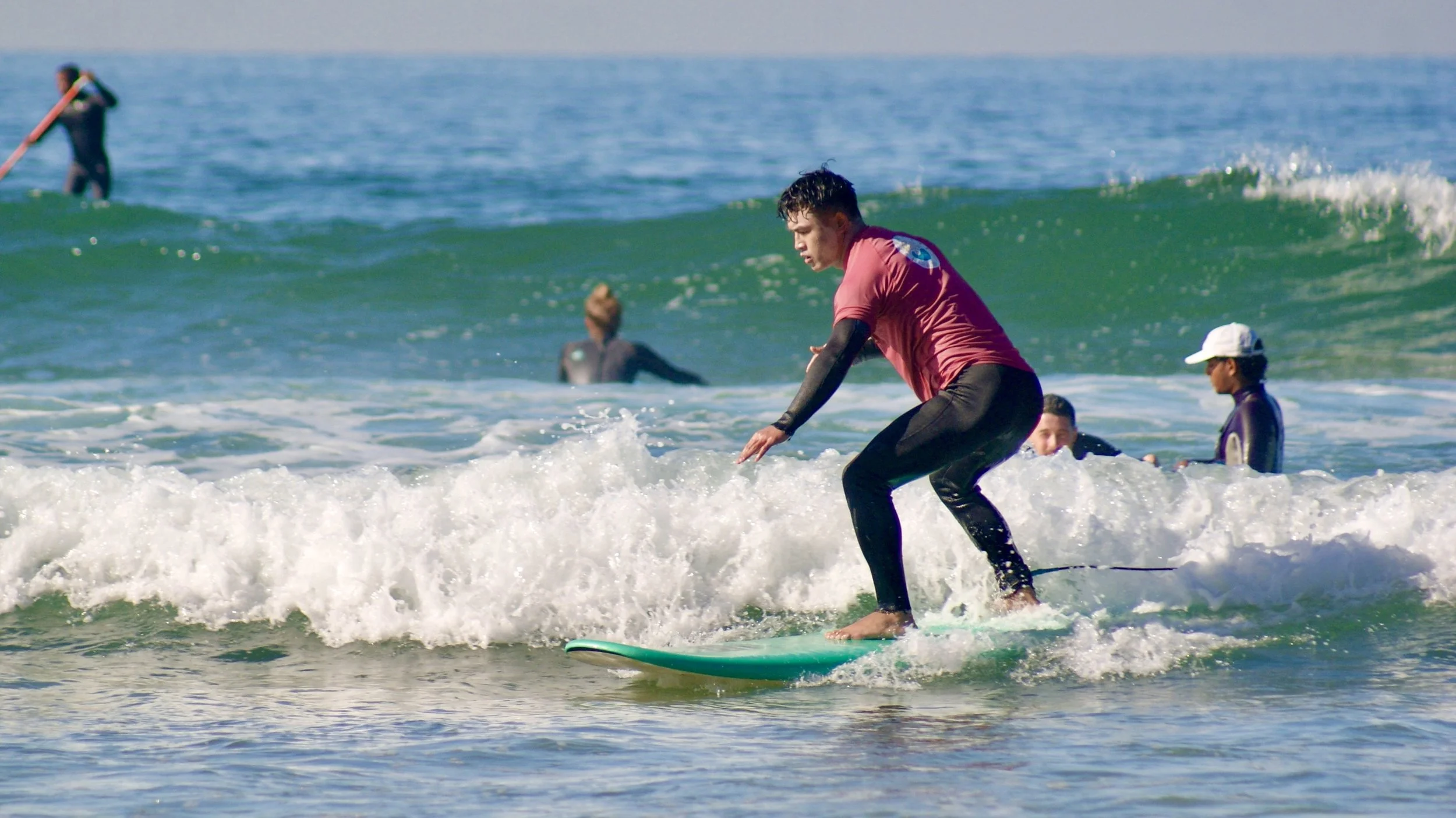
Many beginners believe that surfing green waves should happen as quickly as possible.
In reality, progressing before you're ready often slows improvement.
Without solid foundations, surfers tend to:
Paddle for the wrong waves.
Pop up too late.
Angle incorrectly.
Nose dive repeatedly.
Miss most of the waves they attempt.
Become tired and frustrated.
Instead of learning new skills, they spend most of the session recovering from mistakes.
Progression should feel challenging.
It shouldn't feel impossible.
Seven Signs You're Ready to Progress
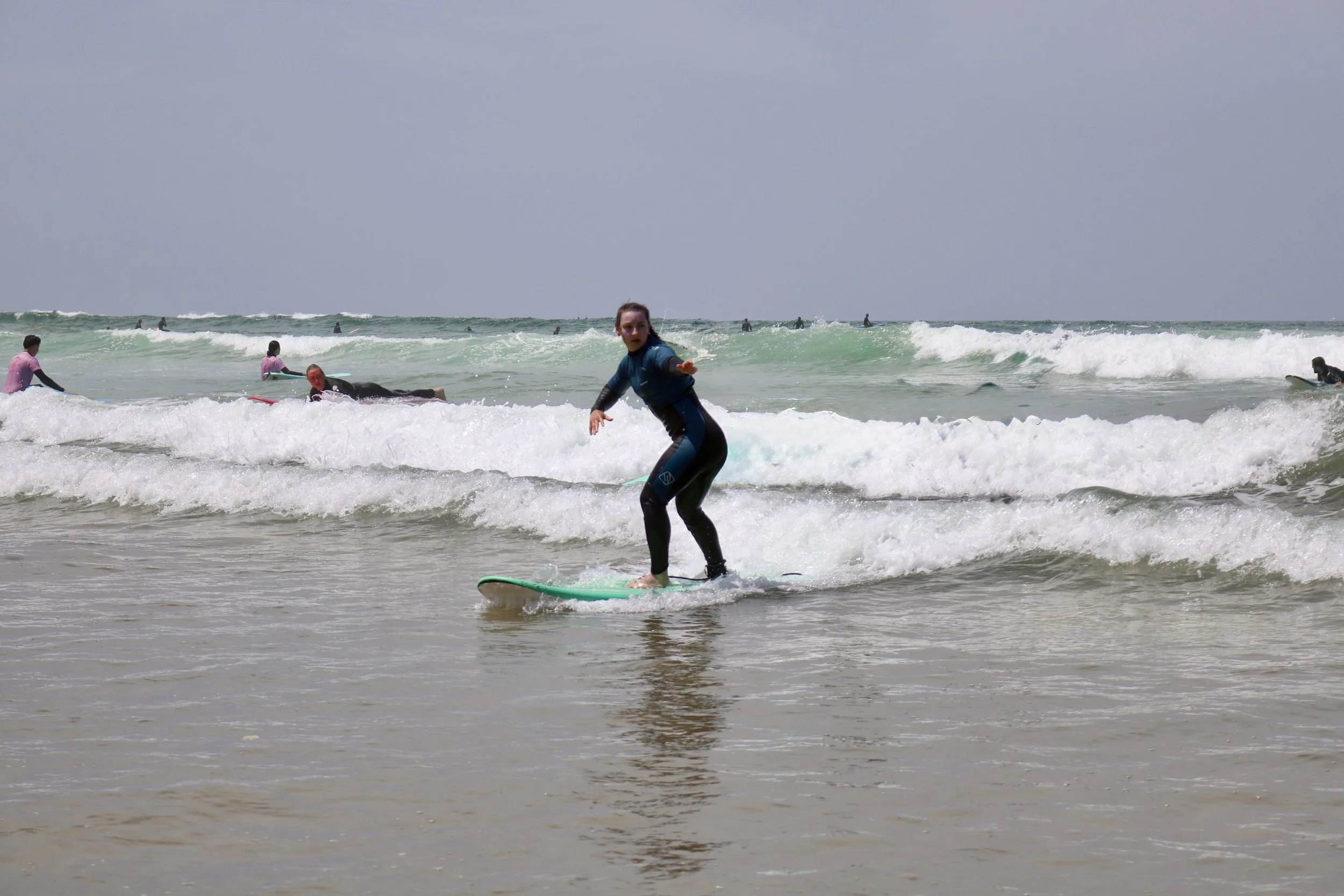
Rather than using the number of lessons you've had, use your skills as the measure.
1. Your Pop-Up Is Consistent and Reliable
Before moving on to green waves, you should be standing up on around 80% of your whitewater waves.
That doesn't mean every single wave—after all, even experienced surfers don't catch everything.
But if you're regularly getting to your feet with control, without having to think about where your hands or feet need to go, it's a good sign that your pop-up has become second nature.
That's important because once your pop-up becomes automatic, your attention is freed up for the things that really matter on green waves—reading the wave, choosing the right line and making good decisions.
2. You Can Control Your Board
Standing up is only the beginning.
The next step is learning to control your board once you're on your feet.
Rather than simply riding straight towards the beach, you're beginning to stay balanced, adjust your speed using your body position and trim across the wave instead of just letting it carry you.
You're no longer just standing on the board—you're starting to influence where it goes and how it moves.
That control forms the foundation for everything that comes next, from trimming and turning to generating speed on the open face of a wave.
3. You Understand How to Catch a Wave
Catching a wave isn't just about paddling hard and hoping for the best.
By this stage, you should be starting to understand the whole process.
You should recognise which waves are worth paddling for, when to start paddling, how much speed you need to generate and when it's time to commit.
You won't get it right every time—and that's completely normal—but you should feel like you're beginning to understand why one attempt worked while another didn't.
Those same skills become even more important when you start surfing green waves.
4. You Understand Basic Surf Etiquette
Moving from the whitewater into the lineup means sharing waves with other surfers.
Before making that transition, you should have a good understanding of the basics of surf etiquette, including:
Who has priority.
How to avoid dropping in on another surfer.
Where to paddle out.
When to go for a wave—and when to let it pass.
Good etiquette isn't just about following the rules. It keeps everyone safer, helps lineups run more smoothly and shows respect for the surfers around you.
5. You're Becoming More Ocean Aware
Green waves require more than just good technique—they require a better understanding of the ocean.
You're beginning to notice where waves are breaking, where the channels are, how currents affect your position and how the conditions change throughout a session.
You don't need to read the ocean like an experienced local yet.
But you should be looking at the water with curiosity rather than simply waiting for your coach to tell you what to do.
Developing this awareness is one of the biggest steps towards becoming a more independent surfer.
6. You're Excited by the Challenge
It's completely normal to feel nervous about surfing your first green waves.
In fact, a little bit of nerves is usually a good sign—it means you're stepping outside your comfort zone and trying something new.
The difference is that you should also feel excited.
If the thought of catching a green wave motivates you, even if it feels slightly intimidating, you're probably closer than you think.
A good coach won't rush the process. They'll introduce you to green waves gradually, choosing the right conditions to build your confidence one wave at a time.
Common Myths About Green Waves
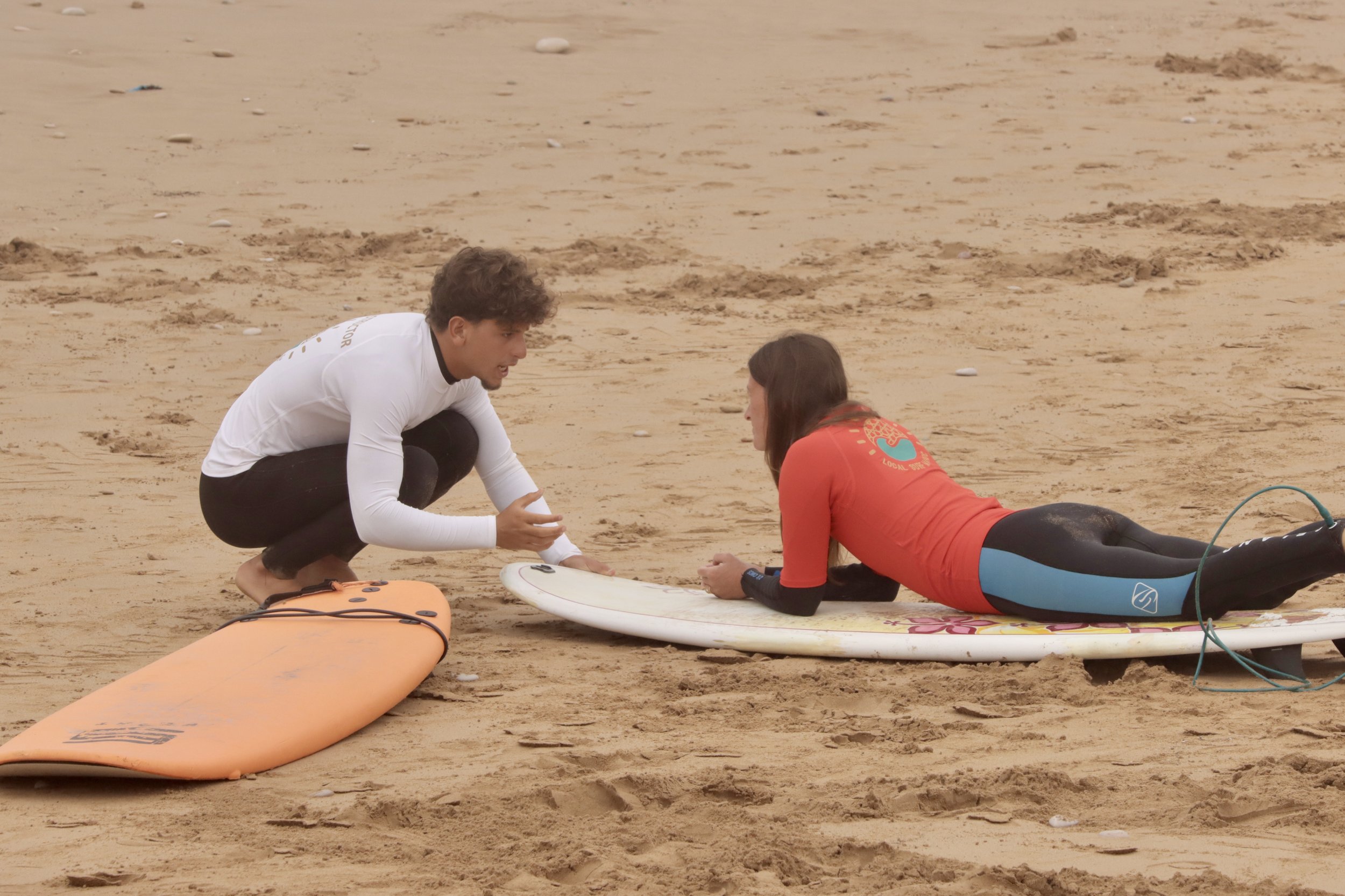
"If I can stand up, I'm ready."
Standing up is only one part of surfing.
Choosing waves, paddling efficiently and positioning correctly are equally important.
"I need a shorter board."
Board choice rarely solves technique problems.
Many surfers improve faster by staying on a larger, more stable board until they've mastered wave selection and positioning.
"Falling means I'm not ready."
Not at all.
Falling is part of learning.
The question isn't whether you're falling.
It's whether you're learning something from each attempt.
How Coaches Decide When You're Ready
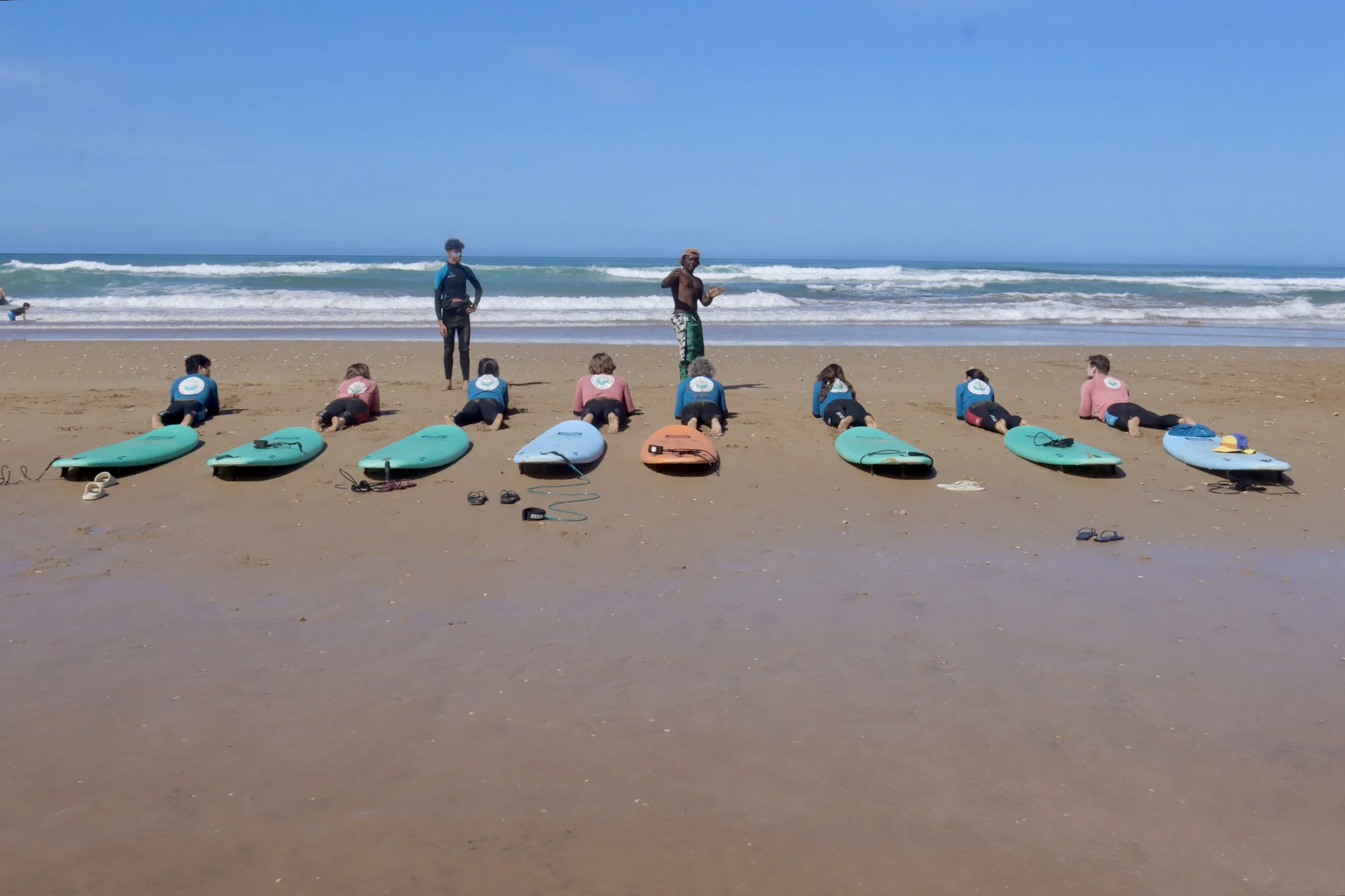
One of the biggest advantages of surf coaching is that progression isn't based on guesswork.
A good coach isn't simply watching whether you stand up: They're assessing whether you've built the foundations needed for the next stage.
At Local Surf Maroc, our coaches look at:
Paddle technique.
Positioning.
Pop-up consistency.
Balance.
Back and front side skill
Wave selection.
Ocean awareness.
Confidence.
Decision-making.
Sometimes that means introducing green waves earlier than a surfer expects.
Sometimes it means spending another session reinforcing the basics.
Neither is a setback.
The goal isn't to progress as quickly as possible.
It's to progress at the right time.
Why Learning on the Right Wave Matters
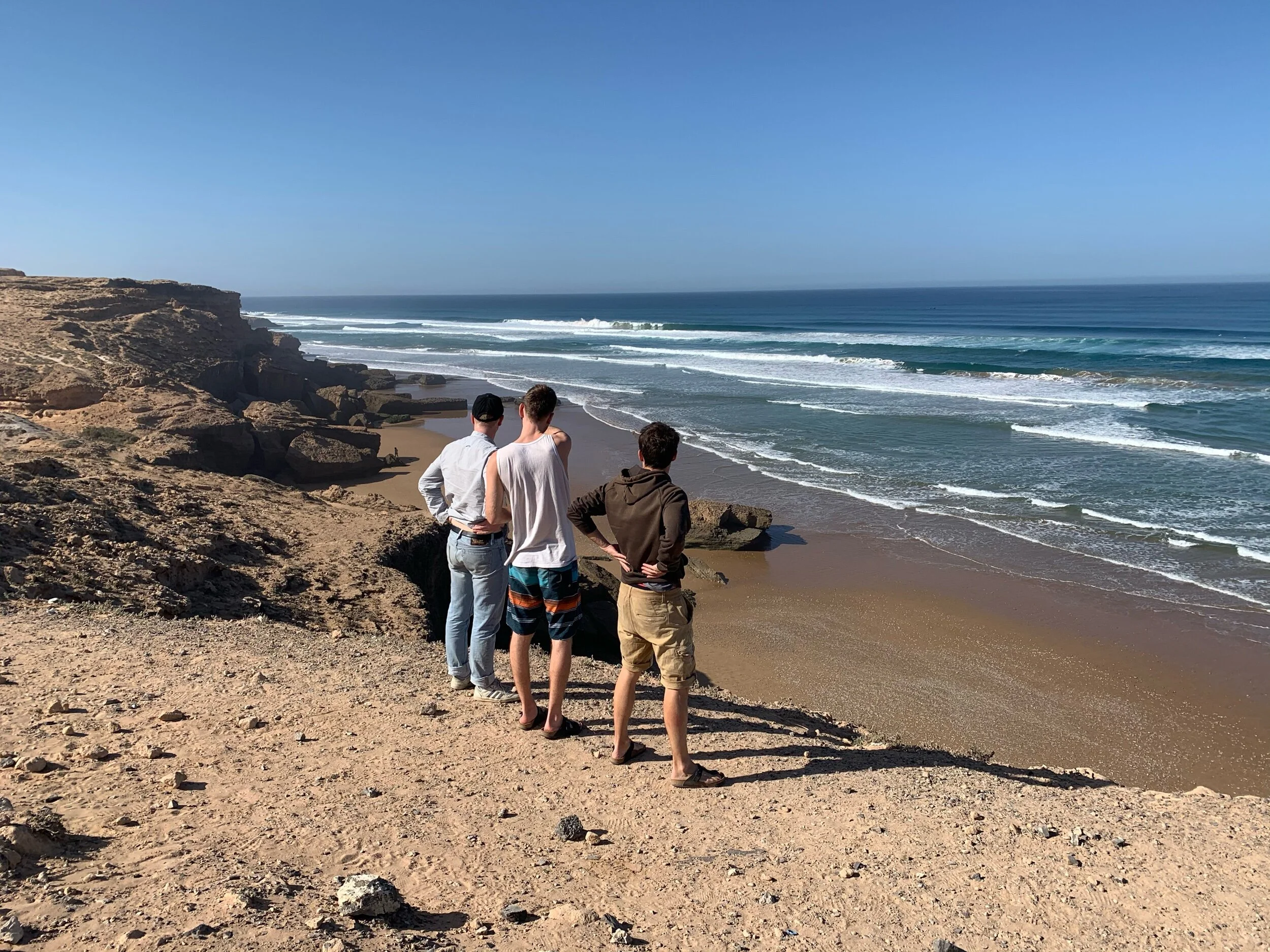
Not every green wave is suitable for someone making this transition.
The best learning waves are:
Predictable.
Soft.
Forgiving.
Uncrowded.
Appropriate for your ability.
That's why experienced coaches don't simply take beginners to the biggest or most famous surf breaks.
They choose the wave that offers the greatest opportunity to learn.
At Local Surf Maroc, every day's location is chosen based on the swell, wind, tide and the ability of the group—not simply because it's the closest beach.
You're Probably More Ready Than You Think
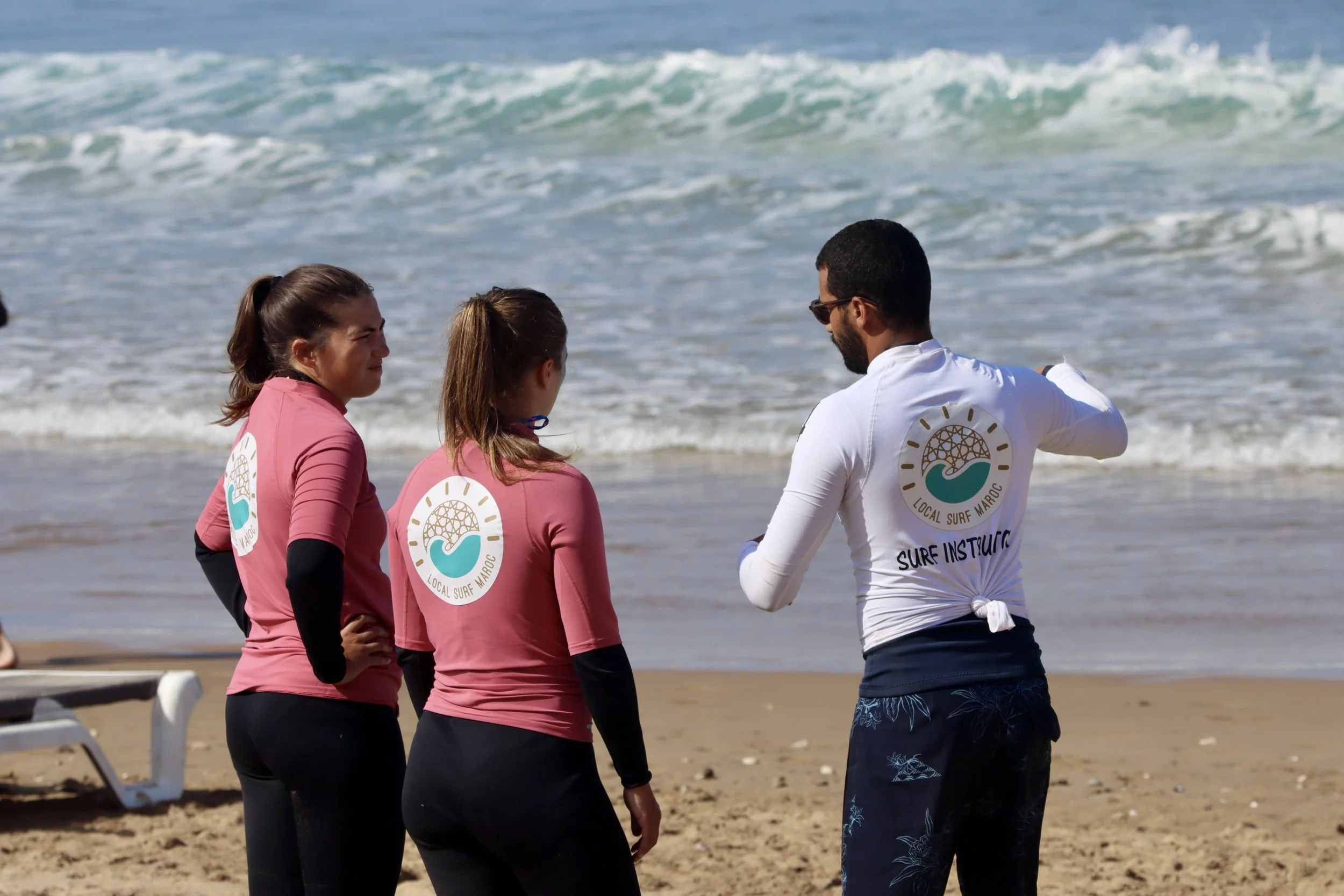
Many surfers underestimate themselves.
Others overestimate themselves.
The challenge is knowing which one you are.
If you're consistently riding whitewater with confidence, understand the basics of surf etiquette and are beginning to read the ocean, you may be closer to surfing green waves than you realise.
The key is making that transition with the right support, on the right wave and at the right pace.
That's where structured coaching makes all the difference.
Ready for the Next Step?
If you're wondering whether you're ready to progress to green waves, you're already asking the right question.
The next step isn't guessing.
It's getting an experienced coach to assess your current surfing and guide you through the transition at the right pace.
Take our free Surf Level Assessment to discover whether you're ready for green waves and which coaching programme will help you progress with confidence.
Frequently Asked Questions
-
Everyone learns at a different pace. Some surfers are ready after a few days of quality coaching, while others may need several weeks or multiple surf trips. Progress depends far more on consistency, confidence and technique than the number of lessons you've had.
-
Yes, many surfers make the transition during a week-long coaching programme if they already have strong whitewater fundamentals. The focus is on introducing green waves safely and progressively rather than rushing the process.
-
For most beginners, a larger, more stable board makes learning green waves easier. Your coach should recommend the right board based on your size, ability and the day's conditions.
-
That's completely normal. Green waves are a significant step forward. A good coach will introduce the challenge gradually, choosing waves that build confidence rather than overwhelm you.
One of the biggest milestones in surfing is moving from whitewater to green waves.
It's also one of the stages where many surfers become frustrated.
Some people attempt it too early, leading to missed waves, wipeouts and damaged confidence. Others stay in the whitewater far longer than necessary because they're unsure whether they're ready.
So how do you know when it's time?